Kebbi Killings Rekindle Calls For Security Overhaul As 20 Die In Suspected Lakurawa Attack
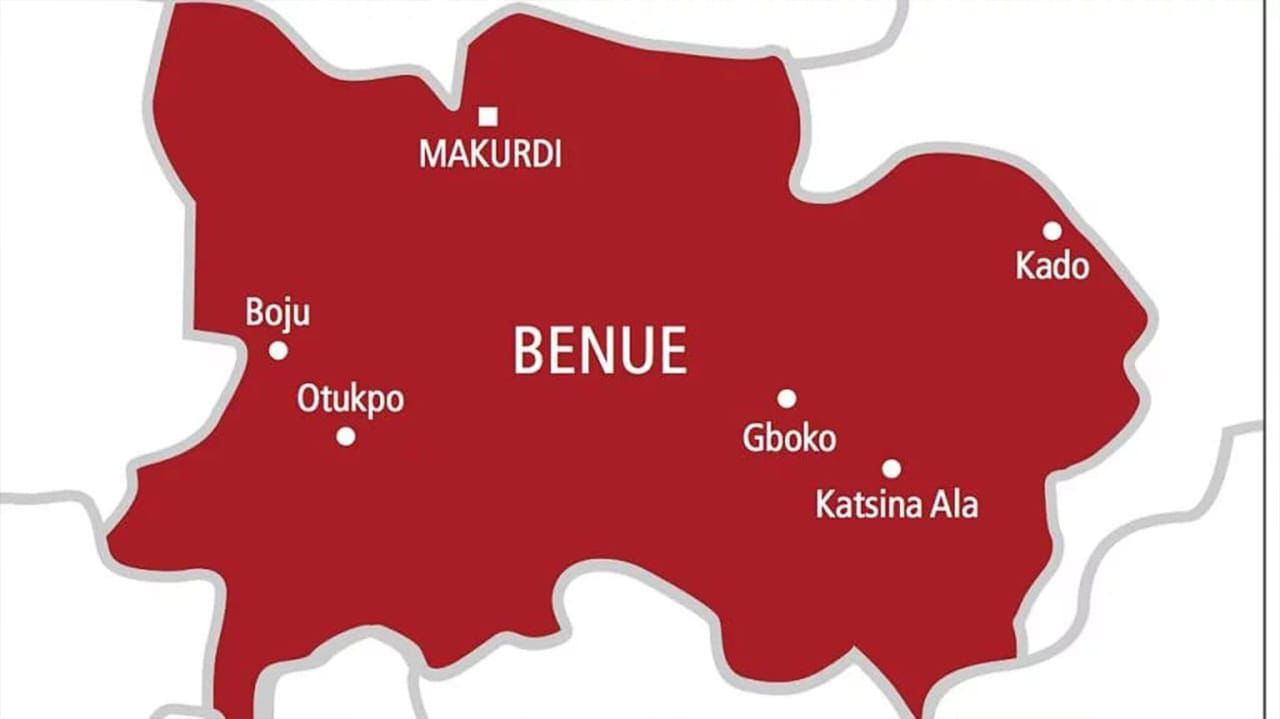
Kebbi Killings Rekindle Calls for Security Overhaul as 20 Die in Suspected Lakurawa Attack Fresh concerns over Nigeria’s worsening security crisis have emerged after at least 20 people were killed in an attack on Fasken Rafi village in Arewa Local Government Area of Kebbi State by suspected Lakurawa insurgents, prompting renewed calls for a comprehensive overhaul of the nation’s security architecture. The deadly assault occurred one year after the massacre in Yelewata, Benue State, where more than 200 people were killed, an event that remains one of the most devastating episodes of violence in recent Nigerian history. The latest attack has intensified public anxiety over persistent insurgency, banditry, kidnappings and communal violence across several parts of the country. Residents described the attack on Fasken Rafi as highly coordinated, with armed assailants storming the community and opening fire on villagers. Local sources said the attackers operated for an extended period before security forces could respond. The incident is being regarded as one of the most serious attacks recorded recently in the area. Kebbi State authorities confirmed the killings and dispatched a government delegation led by Deputy Governor Umar Tafida to assess the situation and reassure affected residents. During the visit, Tafida condemned the violence and pledged stronger security measures to prevent future attacks.
According to the deputy governor, the state government is working with security agencies to deploy additional personnel and operational resources to vulnerable communities in the affected axis. He reiterated the administration’s commitment to restoring peace and protecting lives and property. The attack came only days after the Emir of Argungu, Mohammed Mera, urged communities facing repeated attacks to seek legal permits for firearms and organise lawful self-defence arrangements within the framework of Nigerian law. The monarch argued that communities should be empowered to protect themselves against bandits and insurgents where security challenges persist. Security analysts have linked the growing threat in parts of northwestern Nigeria to the expansion of the Lakurawa group, which operates primarily in Kebbi and Sokoto states and has been associated with a series of deadly attacks on rural communities. Experts warn that the group has evolved into a significant security threat capable of carrying out coordinated assaults across remote border regions. The renewed violence has reignited debate over Nigeria’s security strategy. Political leaders, religious figures and community stakeholders have called for stronger intelligence gathering, improved border security, enhanced military operations and closer collaboration between federal and state authorities. Speaking during activities marking the first anniversary of the Yelewata massacre, several leaders criticised what they described as inadequate responses to recurring attacks on vulnerable communities. They argued that unless decisive action is taken, insecurity could continue to spread across affected regions. The latest attack also comes amid broader national concerns over recent kidnappings, bandit operations and attacks on civilians in different parts of the country. Observers say the persistence of such incidents underscores the need for urgent reforms aimed at strengthening Nigeria’s internal security framework. Authorities have launched investigations into the Kebbi attack while security operations have reportedly been intensified in the area to track down the perpetrators and prevent further violence.
- At least 20 people were killed in Fasken Rafi village, Kebbi State, during an attack by suspected Lakurawa insurgents.
- The incident occurred one year after the Yelewata massacre in Benue State.
- Kebbi State Government has promised additional security deployments and operational support.
- The Emir of Argungu recently advocated lawful community self defence measures against attackers.
- Analysts say Lakurawa has become a growing insurgent threat in northwestern Nigeria.
- Stakeholders are demanding major reforms to Nigeria’s security architecture to address recurring violence.