Japan Faces Royal Succession Crisis As Debate Over Imperial Inheritance Intensifies
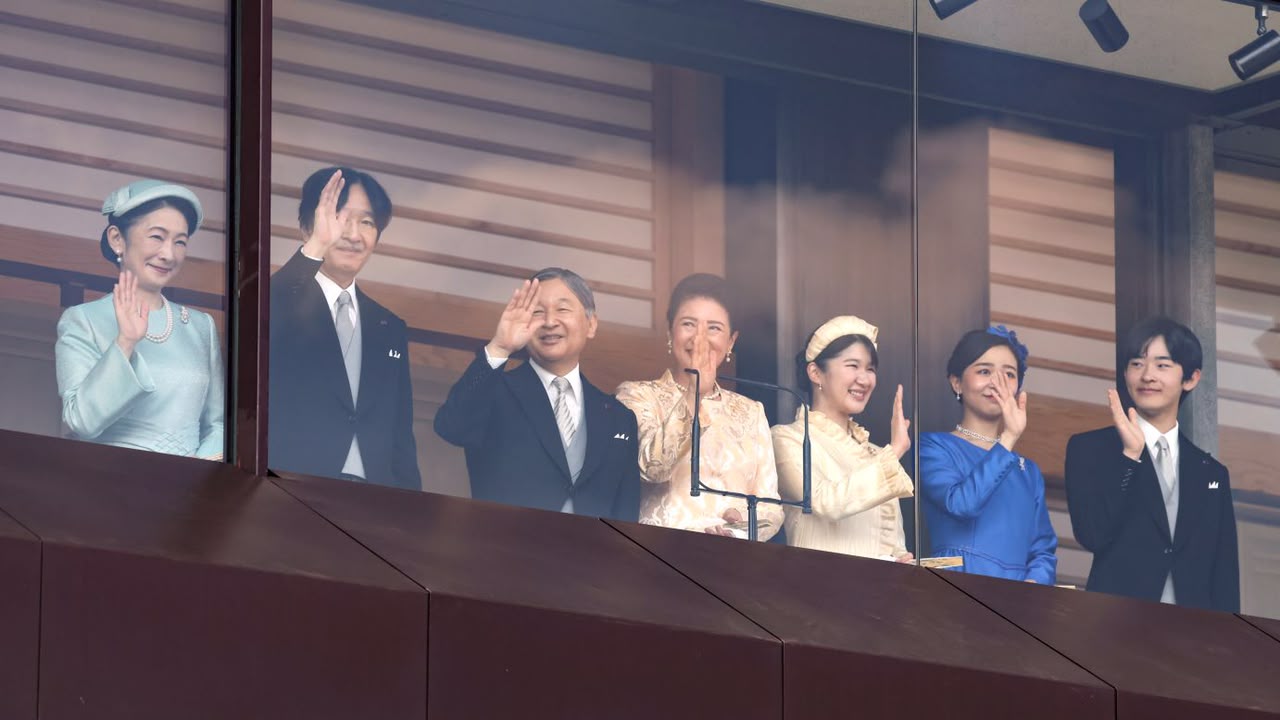
Japan Faces Royal Succession Crisis as Debate Over Imperial Inheritance Intensifies Japan’s imperial family is confronting a deepening succession crisis as the world’s oldest hereditary monarchy faces a dwindling pool of male heirs, reigniting debate over whether women should be allowed to ascend the Chrysanthemum Throne. Under Japan’s Imperial House Law, only men in the paternal line are eligible to inherit the throne. With just three male members currently in line to succeed Emperor Naruhito, lawmakers are considering proposals to restore the royal status of male descendants from former imperial branches that lost their titles after World War II. Supporters of the proposal argue that reinstating former royal family members would preserve centuries of imperial tradition while addressing the immediate succession challenge. However, critics contend that the plan fails to resolve the long-term issue by continuing to exclude women from inheriting the throne.
The debate has intensified as Princess Aiko, Emperor Naruhito’s only child, remains ineligible to succeed her father under the current law despite consistently enjoying strong public support for a possible change to the succession rules. Opinion polls in recent years have shown that a majority of Japanese citizens favour allowing women to become emperor, but conservative lawmakers remain opposed, arguing that maintaining an unbroken male imperial lineage is essential to preserving the monarchy’s historical legitimacy.
The issue has become increasingly urgent as Japan’s imperial family continues to shrink due to rules requiring female royals to relinquish their imperial status upon marrying commoners, further reducing the number of working members of the royal household. The succession debate is expected to remain a key political and constitutional issue as Japan seeks a lasting solution to ensure the continuity of its imperial institution while balancing centuries-old tradition with changing public attitudes.