Iranians Cut Off From Independent News As State Media Shapes War Narrative
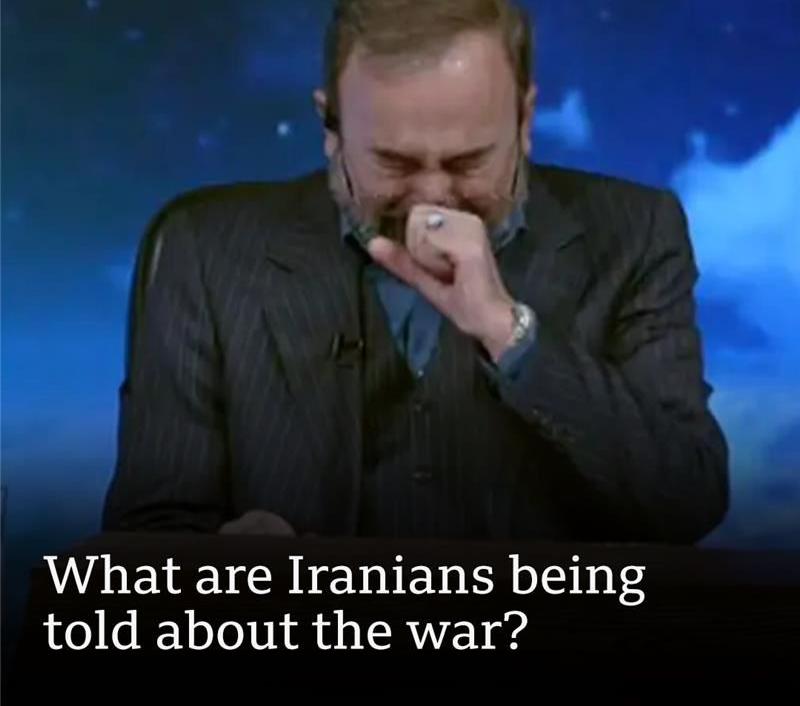
Iranians Cut Off From Independent News as State Media Shapes War Narrative Millions of Iranians face severe barriers to accessing independent information amid ongoing conflict and unrest, as internet blackouts, strict censorship and state‑controlled media leave many cut off from the outside world, according Despite the fact that foreign‑based Persian‑ anguage satellite TV channels such as BBC Persian and other diaspora outlets are followed by millions, the Iranian government’s control over communications means that most people inside the country have limited access to uncensored reporting on war events.
Since early January, Iranian authorities have imposed widespread internet blackouts across the country amid protests and conflict, significantly reducing connectivity and access to global online platforms. The government’s National Information Network a state‑controlled intranet system has effectively isolated most citizens from international websites while enabling authorities to monitor and restrict digital communication.
Human rights observers and digital rights groups say such blackouts not only disrupt daily life including access to financial services and messaging but also prevent Iranians from obtaining independent news during critical periods of conflict. In this constrained media environment, Iranian state broadcasters including domestic television and radio channels have become the primary source of news for many people. These outlets often present the government’s perspective on the war, framing military actions as justified defence against foreign aggression and downplaying civilian casualties or setbacks.
Official messaging, distributed via state TV and social media accounts tied to government institutions, regularly emphasizes themes of national unity, resistance and defiance against external enemies. Critics argue that this narrative marginalizes alternative viewpoints and omits reporting that could fuel dissent. For those able to access them, foreign‑based satellite channels carry news and analysis that often contrast sharply with official state broadcasts, including reports on civilian hardships, protest movements, and international reactions. Satellite channels remain a vital, albeit restricted, avenue for independent information.However, satellite dishes are technically illegal in Iran, and authorities have at times jammed or targeted foreign broadcasts to limit their reach. The combination of blackouts and censorship creates significant information gaps, leaving many Iranians uncertain about the scale of the conflict and its human toll. People who once relied on online news, messaging apps and global social media platforms now struggle with sporadic or blocked connections, and many have turned to VPNs or satellite technologies when possible. Experts warn that this restricted media environment not only hampers public awareness but also deepens isolation during a period of heightened tensions, with long‑term implications for civil discourse and public trust.
As Iran’s communication landscape remains tightly controlled, efforts by international broadcasters and diaspora media to provide impartial coverage continue amid ongoing technical and political challenges.