Iran War Triggers Aviation Disruption Across Middle East, Grounding Flights In Major Travel Hubs
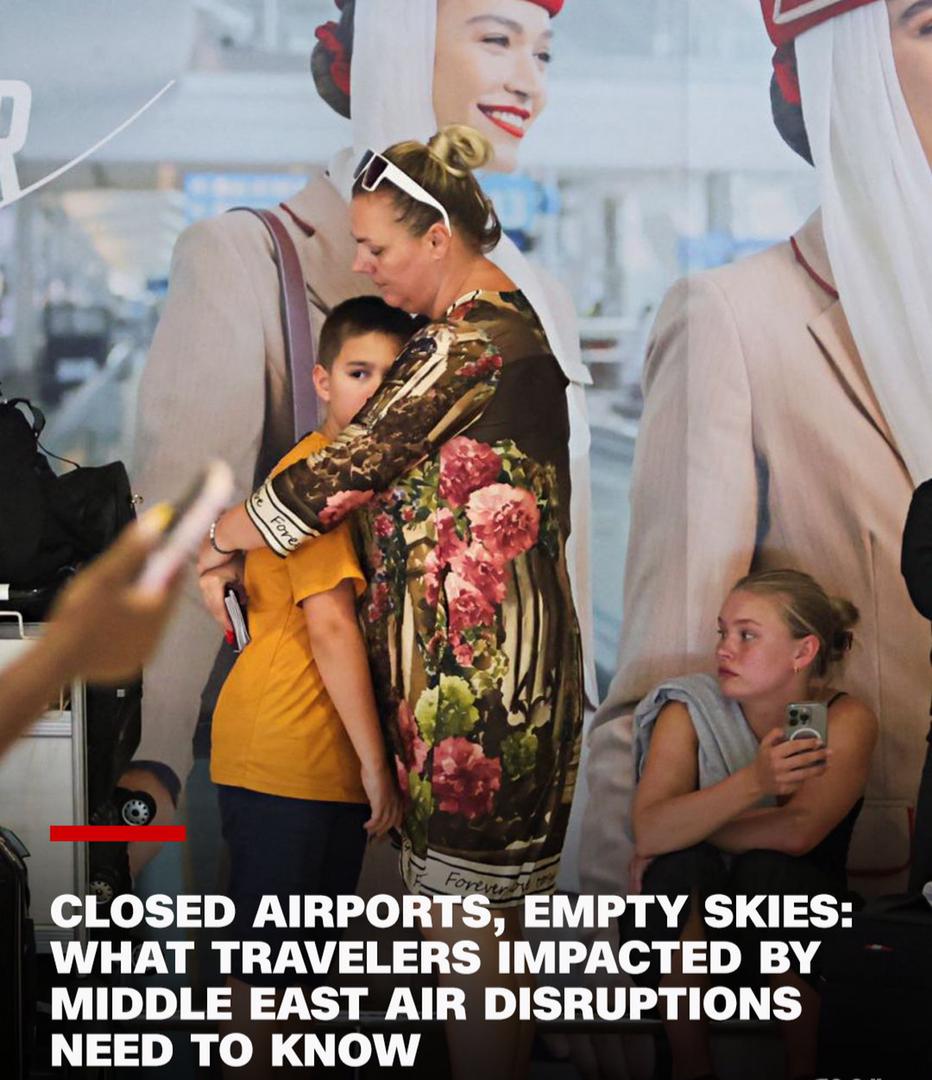
Iran War Triggers Aviation Disruption Across Middle East, Grounding Flights in Major Travel Hubs The ongoing war involving Iran has plunged aviation across the Middle East and beyond into widespread disruption, grounding flights and forcing airlines to reroute aircraft through longer, costlier paths in one of the world’s busiest air-travel regions.Airports across the Gulf including key hubs in the United Arab Emirates such as Dubai and Abu Dhabi have been significantly affected as tensions escalate. The cities have increasingly come under threat amid Iranian retaliation, largely due to their role in hosting U.S. military assets.
Flights Grounded, Routes Altered Multiple international airlines have suspended or reduced services to affected airports, citing safety concerns and airspace restrictions. Aircraft that normally pass through Iranian, Iraqi, or neighboring airspace are being diverted, adding hours to long-haul journeys between Europe, Asia, and Africa.Industry officials say the disruptions are among the most severe in years, rivaling earlier regional crises but impacting a broader range of global carriers due to the Middle East’s role as a central aviation crossroads.
Why Gulf States Are Affected
Iran has warned that countries hosting U.S. military bases could be drawn into the conflict. As a result, U.S.-friendly Gulf nations have faced heightened security risks, prompting authorities to impose temporary flight restrictions and heightened airport security protocols.While officials in the UAE have said airports remain operational, airlines are making independent decisions to cancel or delay flights based on evolving threat assessments.
Impact on Travelers Passengers across the region and beyond are facing Flight cancellations and extended delays
Rerouted journeys with longer travel times
Increased ticket prices due to fuel and operational costs
Uncertainty over future schedules
Travelers are being advised to monitor airline alerts closely, allow extra time for connections, and confirm travel plans before heading to airports.Global Aviation Concerns
Aviation analysts warn that prolonged instability could have lasting effects on global air travel, particularly if further airspace closures occur. The Middle East handles millions of transit passengers each month, and continued disruption could ripple through airline networks worldwide.With no immediate end to the conflict in sight, airlines and aviation authorities are preparing for continued disruption. Industry groups are calling for clearer coordination between governments and airlines to ensure passenger safety while minimizing chaos.This remains a developing story, with flight schedules and airspace access subject to rapid change.