IRAN SIGNALS WILLINGNESS TO PROLONG CONFLICT DESPITE GRAVEST REGIME THREAT
by HEDNEWS on March 19, 2026
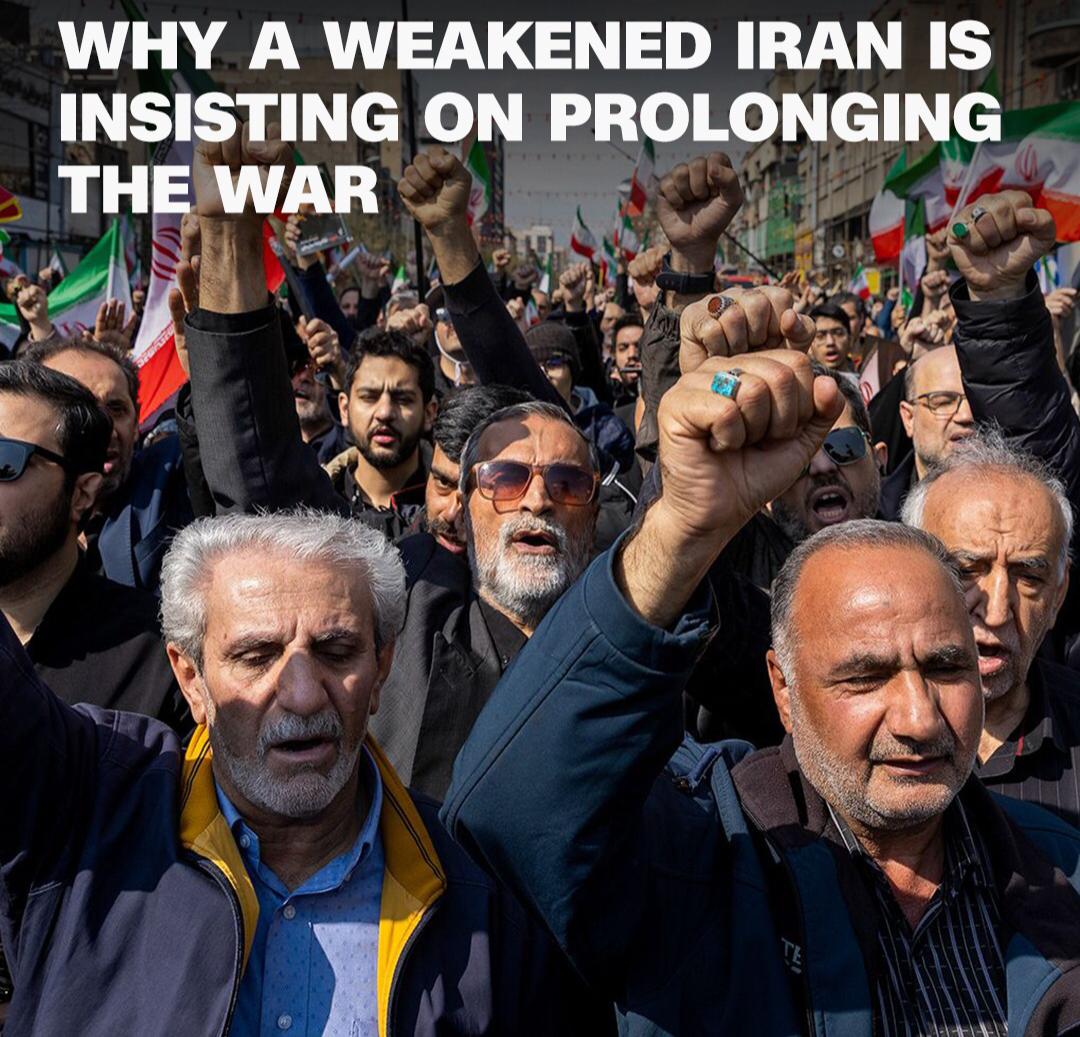
IRAN SIGNALS WILLINGNESS TO PROLONG CONFLICT DESPITE GRAVEST REGIME THREAT Even as the Islamic Republic of Iran confronts what analysts describe as the gravest threat to its regime in decades, Tehran is signaling a readiness to prolong its conflict with the United States and Israel, aiming to reshape power dynamics across the Middle East rather than quickly seek a ceasefire or capitulation, according to a report
- The war began on February 28, 2026, when Israel and the United States launched coordinated airstrikes on Iranian territory, targeting military facilities, nuclear sites and leadership figures including the killing of Supreme Leader Ayatollah Ali Khamenei on the first day.
- Despite heavy U.S. and Israeli bombardment and the deaths of several senior commanders, Iran’s political and military leadership remains intact and operating, in part due to a resilient command structure and the influence of the Islamic Revolutionary Guard Corps (IRGC).
- Iranian officials, including high‑ranking political and military figures, have publicly rejected calls for an unconditional ceasefire and indicated willingness to continue fighting, even under intense pressure.
- Parliament speaker Mohammad Bagher Ghalibaf one of the highest‑ranking surviving Iranian officials has articulated that Tehran sees prolonged conflict as necessary to prevent its adversaries from regrouping and returning to the offensive.
- While Iran has not detailed formal war goals publicly, state messaging underscores a broader aim to reshape regional alliances and influence outcomes in ways it perceives as favorable to Tehran’s strategic interests.
- Iran’s recent response to an Israeli strike on its South Pars gas field a key energy asset included escalated attacks on energy infrastructure across Saudi Arabia, the UAE, Qatar and Kuwait, leading to global energy market instability and higher oil prices.
- Saudi Arabia’s foreign minister publicly stated Riyadh reserves the right to military action against Iran following ballistic missile attacks, highlighting the risk of broader regional involvement.
- U.S. Defense Secretary Pete Hegseth said there is no set timeline for ending the U.S. campaign, indicating American strategy remains focused on degrading Iran’s capabilities without prematurely closing the conflict.
- Diplomatic efforts have continued in parallel to military operations. For instance, indirect talks were reported between U.S. and Iranian officials in Geneva, though they have made little progress toward a settlement amid intense mistrust.
- Iran’s actions have disrupted navigation through the Strait of Hormuz, a crucial global energy conduit, amplifying economic and geopolitical stakes beyond the immediate battlefield.
- U.S. intelligence assessments suggest the Iranian regime has managed to consolidate internal power, particularly through the IRGC, even as external pressure intensifies a dynamic that could make Tehran more willing to endure a protracted conflict rather than capitulate.