Iran Begins Laying Mines In The Strait Of Hormuz, U.S. Intelligence Sources Say
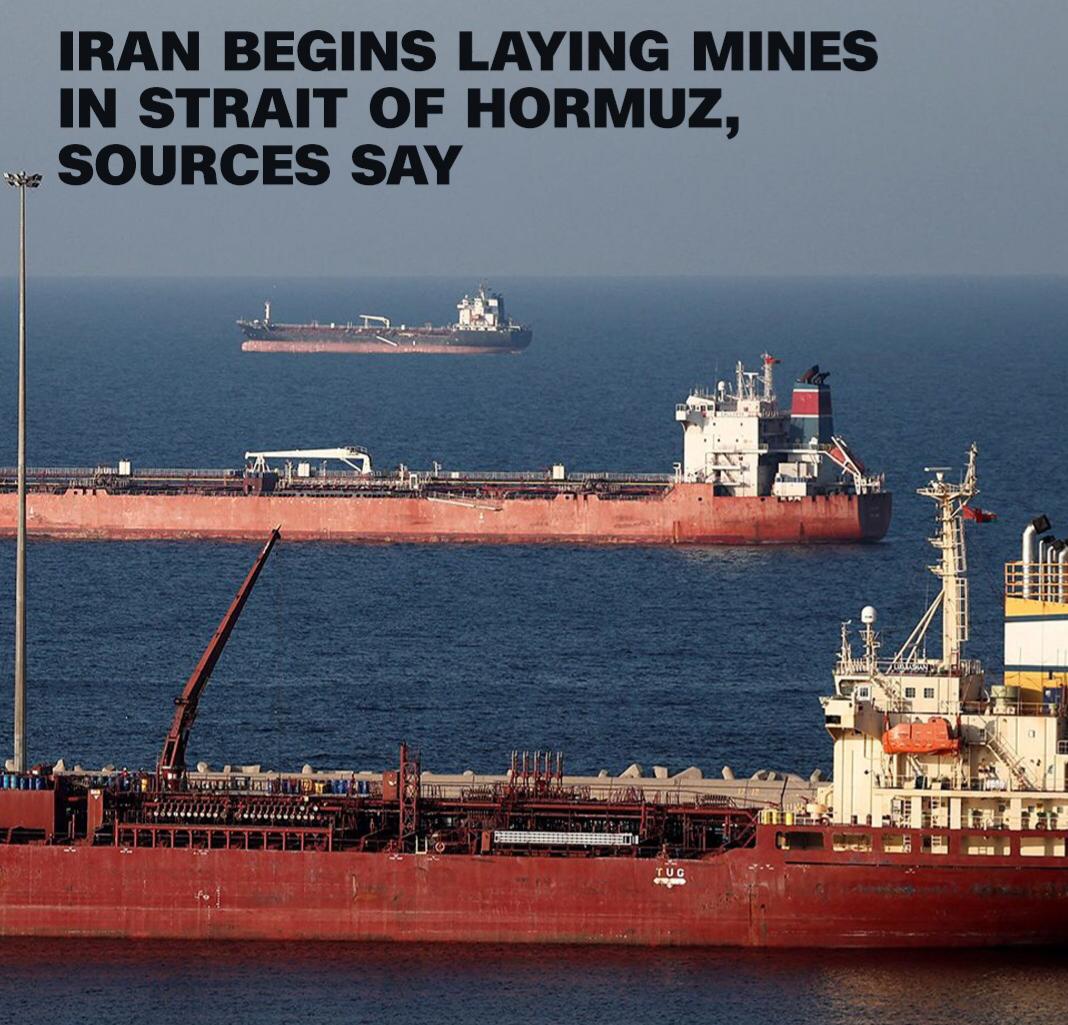
Iran begins laying mines in the Strait of Hormuz, U.S. intelligence sources say Iran has begun laying naval mines in the Strait of Hormuz, one of the world’s most critical energy chokepoints, according to two people familiar with U.S. intelligence reporting on the matter. The strait carries about one‑fifth of global crude oil shipments, making it vital to the global energy market.
The mining so far appears limited, with only a few dozen sea mines reportedly laid in the waterway in recent days. However, intelligence officials say Iran still retains upward of 80 % to 90 % of its small boats and mine‑laying craft, meaning its forces could feasibly deploy hundreds more mines if they choose.
Iran’s Islamic Revolutionary Guard Corps (IRGC), which now effectively controls the strait alongside the country’s regular navy, has the ability to deploy a network of dispersed mine‑laying vessels, explosive‑laden boats and shore‑based missile batteries, U.S. intelligence sources told The IRGC had previously warned that any ship passing through the strait would be attacked, and analysts have described the channel as effectively closed to commercial shipping since the wider conflict with U.S. and allied forces erupted.While the number of mines currently placed is relatively low, experts warn that even a limited minefield in the narrow strait which is only about 21 miles (34 km) wide at its narrowest could create significant hazards for commercial vessels and disrupt energy flows.The potential mining has already affected global markets, with oil prices experiencing heightened volatility amid fears that sustained disruption of tanker traffic could hinder roughly 15–18 million barrels per day of crude and fuel exports bound for international markets. Because nearly 20 % of the world’s oil supply passes through the Strait of Hormuz, Iran’s mine‑laying activities pose serious risks to global energy security and shipping insurance. Some analysts say the deployment of mines could make the route effectively impassable for commercial tankers if the situation escalates further.
The U.S. and allied naval forces are reportedly assessing options to ensure the strait’s security, and Washington has expressed deep concerns about the implications of Iranian mining on international trade and maritime safety.
The situation remains fluid and internationally significant as tensions rise over control of this vital maritime corridor.