IGP Disu Inaugurates Committee To Develop State Police Framework
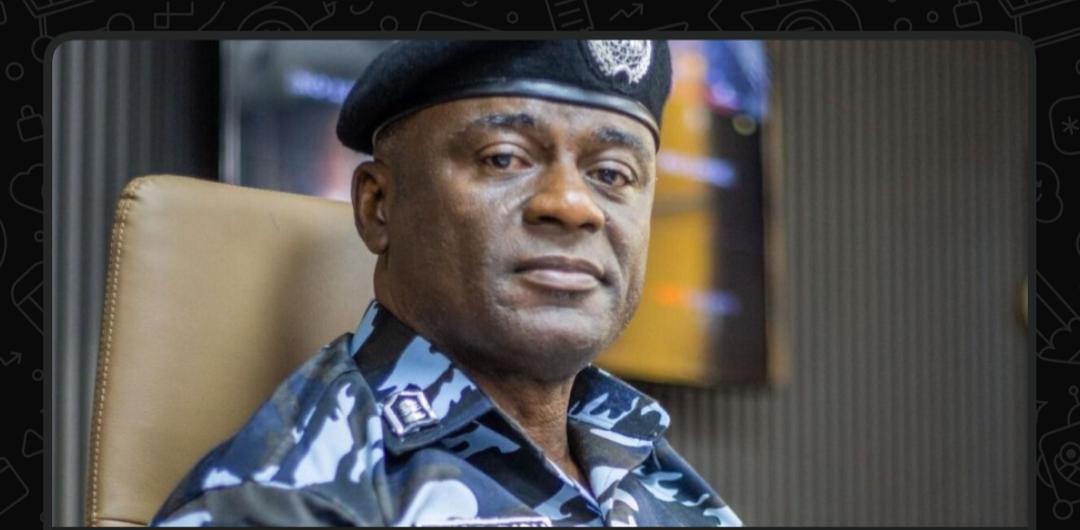
IGP Disu inaugurates committee to develop state police framework The Inspector-General of Police, Olatunji Rilwan Disu, has inaugurated a committee to explore the framework for establishing state police in Nigeria, reigniting debate over decentralising the country’s policing system amid rising security concerns. The committee was set up to examine how a state-level policing structure could operate within Nigeria’s existing security architecture and propose recommendations to guide potential reforms. The initiative comes as Nigeria continues to grapple with growing insecurity, including banditry, kidnapping and communal violence across several regions.
At the inauguration, Disu said the committee’s work is both “significant and timely,” noting that Nigeria’s evolving security challenges require new strategies and stronger collaboration between federal and local authorities. He said the committee would help shape a framework that ensures policing remains responsive to the realities of local communities while maintaining national security coordination. According to the police chief, decentralised policing could allow law-enforcement agencies to better understand local security dynamics and respond more quickly to emerging threats. He stressed that the goal is “synergy, not competition” between the federal police and potential state police forces. Nigeria currently operates a centralised policing system under the Nigeria Police Force. Section 214 of the 1999 Constitution recognises only one national police force, meaning the creation of state police would require a constitutional amendment approved by the National Assembly and at least two thirds of state legislatures. This requirement has historically slowed progress on the proposal despite growing calls for reform from security experts, political leaders and civil society groups. While many stakeholders support the idea of state police as a way to improve local security, critics warn that governors could misuse such forces for political purposes. Some observers cite historical examples from Nigeria’s First Republic when regional police forces were accused of partisanship. Political figures and civic organisations have therefore called for strong safeguards, oversight mechanisms and clear divisions of authority between federal and state security agencies before any decentralised policing system is adopted. Several groups have welcomed the renewed discussion but urged caution. Some political leaders argue that the committee’s work should lead to clear legislative proposals, while others believe the process must involve broad national consultation to prevent political manipulation.
Supporters say decentralised policing could improve intelligence gathering and community trust, while critics worry about funding challenges and the risk of creating poorly resourced or politicised forces. The committee is expected to review international models of decentralised policing, assess funding structures and recommend how state police could operate alongside federal security agencies. Its findings could eventually inform constitutional reforms needed to implement the policy.
Analysts say the initiative signals a growing willingness within the police hierarchy to engage with long-standing calls for reform as Nigeria seeks new approaches to tackle its complex security challenges