Ground-Breaking DNA Project Identifies Fathers Of 20 Children Born Near British Military Base In Kenya
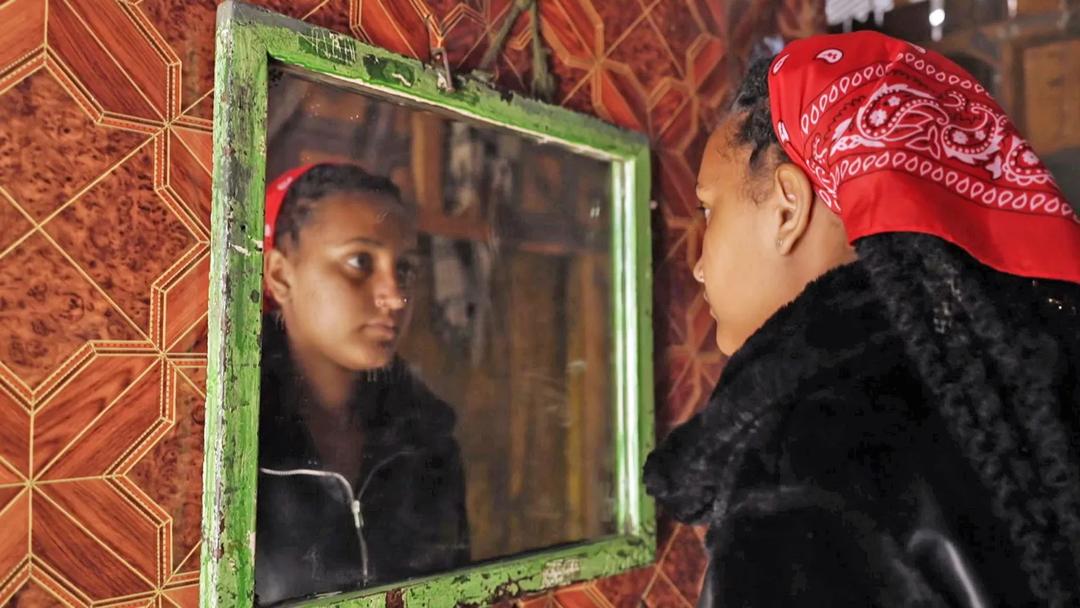
Ground-Breaking DNA Project Identifies Fathers of 20 Children Born Near British Military Base in Kenya Legal and genetic investigation links British soldiers and contractors to children born around BATUK base as court orders confirm parentage in landmark cases, raising questions over identity, accountability, and military oversight. A pioneering DNA and legal investigation has successfully identified the fathers of 20 children born near a British military base in Kenya, marking a significant breakthrough in a long-running effort to resolve paternity claims linked to personnel stationed at the British Army Training Unit Kenya (BATUK). The investigation, described as groundbreaking by legal experts, combines advanced DNA analysis, commercial genealogy databases, and court-ordered disclosures to trace the fathers many of whom were British soldiers or contractors previously stationed at the base. The children, some now young adults, were born in communities surrounding the BATUK facility in Nanyuki, where thousands of British personnel rotate through annually for training exercises. According to court proceedings, DNA testing and genetic matching techniques were used alongside legal applications to establish biological links between the children and identified British nationals. In multiple cases, UK Family Court judges have already issued formal declarations of parentage after men either confirmed paternity or were matched through genetic evidence. So far, paternity has been legally confirmed in at least a dozen cases, with additional identifications continuing as more DNA results are processed. The process has been described as one of the first of its kind to combine public DNA databases with formal legal action to establish parentage across international borders. Many of the affected children reportedly grew up without knowing their fathers, with some told that their parents had died or abandoned them. Some have faced identity struggles, poverty, and social stigma in their communities, particularly those of mixed heritage who experienced discrimination while growing up. Legal representatives argue that the rulings are helping individuals reclaim identity and access rights such as citizenship claims and family history recognition. The legal process involved coordination between British courts, forensic geneticists, and investigative teams who collected DNA samples in Kenya and cross-referenced them with international databases. Lawyers representing the claimants say the effort may only represent a fraction of similar cases, suggesting that many more children born near the base could still be seeking identification of their fathers. The findings have sparked wider debate over accountability, military conduct abroad, and the responsibilities of foreign personnel stationed overseas. Human rights advocates have also renewed calls for stronger mechanisms to ensure paternity recognition, child support, and transparency in cases involving military deployments. The British authorities have, in related cases, been ordered by courts to release identifying information of suspected fathers to enable legal follow-up. The DNA-driven identification of 20 fathers marks a significant milestone in resolving long-standing paternity disputes linked to British military presence in Kenya. While the legal process continues, the cases highlight complex intersections of science, law, identity, and historical military activity.