Global Cocoa And Coffee Markets Set For Strong Growth As Africa Urged To Benefit From Demand Boom
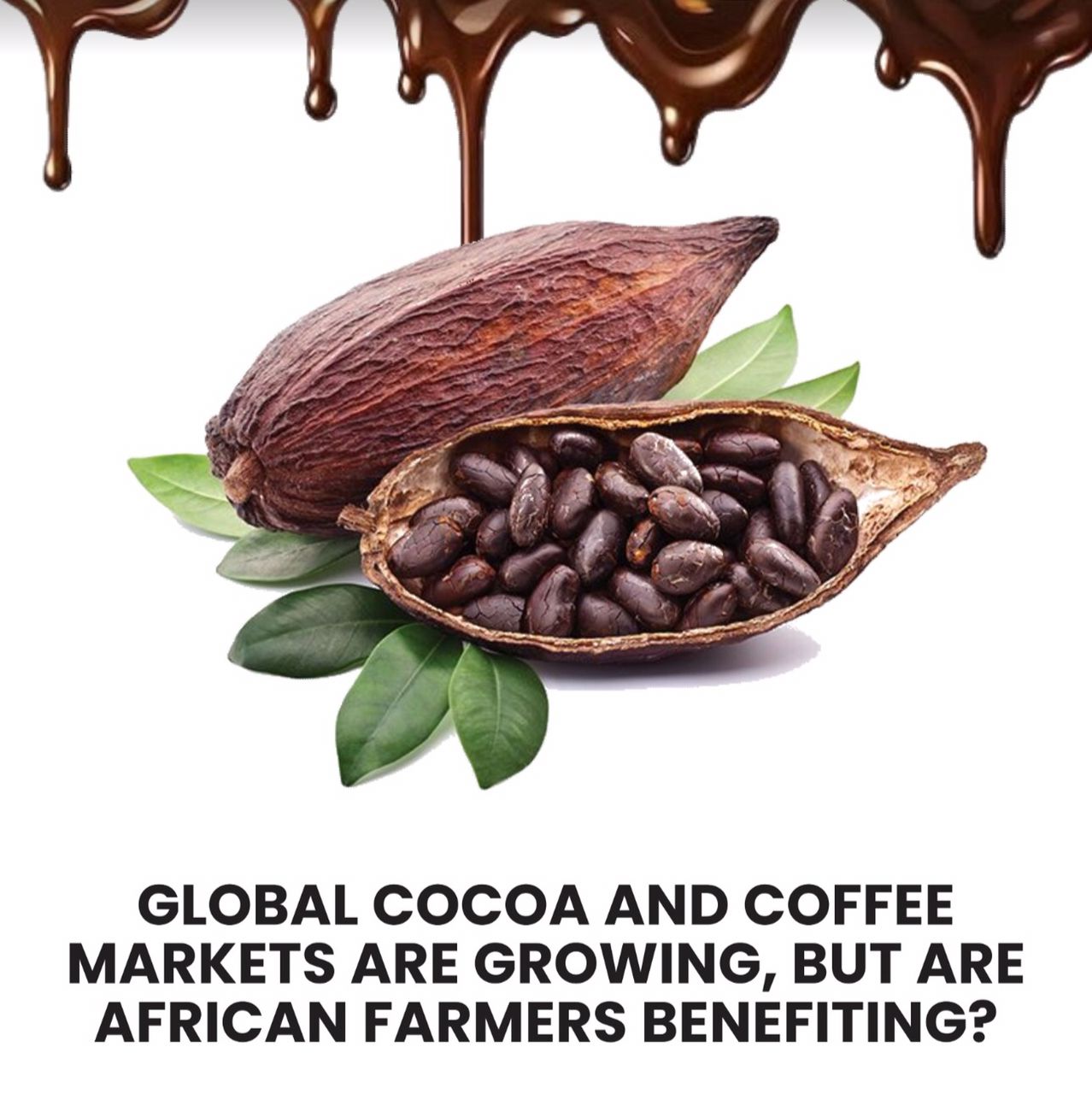
Global cocoa and coffee markets set for strong growth as Africa urged to benefit from demand boom The global cocoa and chocolate industry is projected to expand significantly, with market value expected to rise from $169.12 billion in 2025 to $245.97 billion by 2031, driven by increasing demand for dark chocolate, expanding consumption in Europe, and a growing chocolate culture across parts of Asia. The cocoa sector, which depends heavily on West African production, is experiencing renewed global interest as consumers shift toward premium and high-percentage cocoa products, particularly in developed markets. At the same time, the global coffee market is forecast to reach $486.2 billion by 2035, supported by rising coffee culture worldwide and the rapid growth of ready-to-drink coffee products, especially among younger consumers and urban populations. Climate change is also reshaping the industry, with rising temperatures and unpredictable rainfall affecting traditional coffee-growing regions. This has increased demand for heat-resistant coffee varieties, creating new opportunities for African producers to adapt and expand production.
However, despite this strong global demand trajectory, many cocoa and coffee farmers across Africa continue to face severe economic challenges, including low farmgate prices, limited access to financing, aging plantations, and vulnerability to climate shocks. Analysts note that while global markets are booming, value distribution across the supply chain remains uneven, with farmers often receiving only a small fraction of final retail prices. Experts argue that Africa could benefit more substantially from the projected growth if investment is directed toward local processing, improved farming techniques, and stronger participation in global value chains. The report highlights the need for structural reforms in agricultural trade systems to ensure that producing countries capture a greater share of value from cocoa and coffee exports.