A Major Review Into The Troubled HS2 Rail Project Is Expected To Conclude That The Scheme Failed
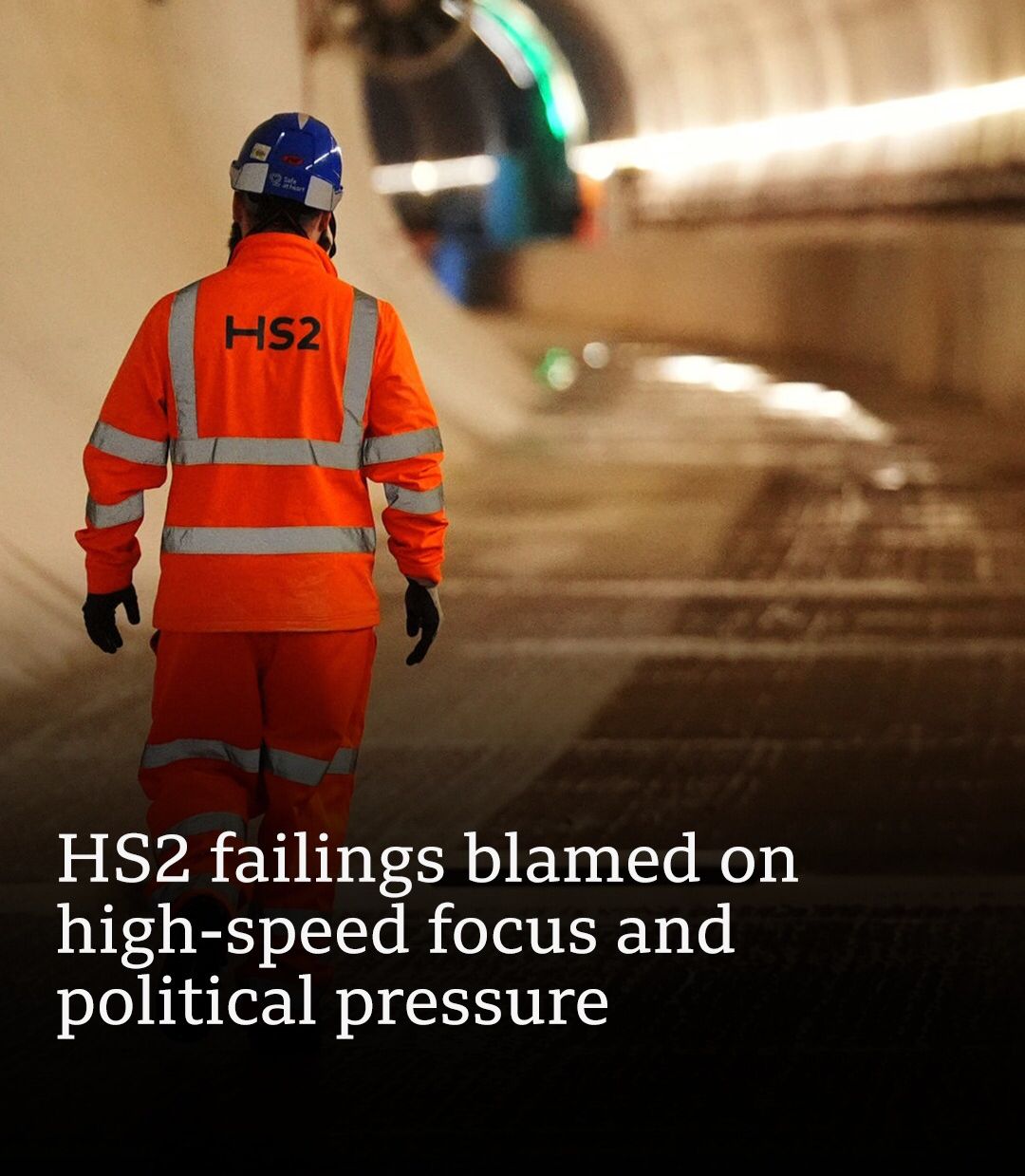
A major review into the troubled HS2 rail project is expected to conclude that the scheme failed partly because planners focused too heavily on achieving maximum train speeds while political interference repeatedly changed the project’s direction. The report, written by former UK National Security Adviser Sir Stephen Lovegrove, is expected to say that the high-speed railway became overly complex and expensive because of “gold-plating” a term used to describe excessive engineering and design ambitions. Officials are also expected to criticise years of shifting political priorities and pressure to show rapid progress before plans were fully developed.
HS2 was originally announced as a flagship infrastructure project intended to connect London, Birmingham, Manchester and Leeds with trains travelling at up to 360km/h 224mph. However, soaring costs, delays and repeated redesigns led successive governments to scale back large sections of the route. The eastern leg to Leeds was cancelled in 2021, while the Birmingham-to-Manchester section was scrapped in 2023. The review is also expected to argue that the railway’s core purpose increasing rail capacity became overshadowed by ambitions to create the world’s fastest and most technologically advanced rail line. Transport Secretary Heidi Alexander has already asked HS2 bosses to consider reducing top speeds in an attempt to cut costs.Costs for HS2 have risen dramatically since the project was first proposed. Initially estimated at around £33bn, the remaining London-to-Birmingham section alone is now expected to exceed £100bn and may not open until at least 2035. The findings are expected to renew debate about whether Britain should prioritise high-speed rail prestige projects or focus instead on improving wider transport capacity and regional rail services.