Fuel Subsidy Return Could Push Naira To ₦4,000/$ Oyedele
Fuel Subsidy Return Could Push Naira to ₦4,000/$ Oyedele
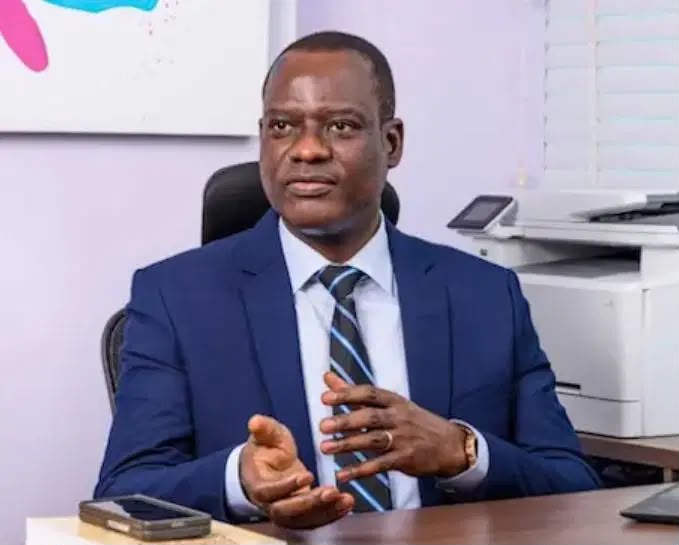
Nigeria’s Minister of Finance and Coordinating Minister of the Economy, Taiwo Oyedele, has warned that a return to petrol subsidy could weaken the naira significantly, potentially pushing the exchange rate to between ₦3,000 and ₦4,000 per dollar. Oyedele said reinstating the subsidy could trigger capital flight, undermine investor confidence, increase borrowing costs and worsen economic pressures on households. He made the remarks on Monday during a press briefing at the International Monetary Fund IMF and World Bank Annual Meetings in Bangkok, Thailand. The minister maintained that reversing the economic reforms introduced by President Bola Tinubu’s administration could send negative signals to domestic and international investors, particularly as Nigeria approaches another election cycle. Oyedele said investors had repeatedly expressed concerns about whether the Federal Government would abandon its economic reforms ahead of the 2027 general elections. According to him, even an indication that the government was considering reinstating petrol subsidy could immediately unsettle financial markets and increase pressure on the naira.He warned that renewed uncertainty could encourage foreign investors to withdraw capital while wealthy Nigerians, business owners and middle-class investors might also turn to the dollar to protect their assets.Such a development, he said, could increase demand for foreign exchange and further weaken the local currency. Oyedele cautioned that the consequences would extend beyond the foreign exchange market, potentially affecting airfares, import costs and the prices of goods and services. He argued that petrol could eventually become more expensive in naira terms despite attempts to make it more affordable through government subsidiesThe finance minister ruled out reversing the administration’s economic reforms, maintaining that policy consistency was essential to sustaining investor confidence. He also rejected suggestions that the Nigerian National Petroleum Company Limited’s NNPCL temporary reduction in petrol retail margins amounted to a return to subsidy. Oyedele explained that the adjustment was a commercial decision involving the company’s profit margins rather than a subsidy payment funded by public resources. He argued that a company voluntarily reducing its profit margin to make a product more affordable should not automatically be classified as a subsidy. The reforms have remained a major subject of public debate amid concerns about petrol prices, inflation, transportation costs and the rising cost of living. The African Democratic Congress (ADC) Presidential Campaign Council has challenged Oyedele to provide the economic model and evidence supporting his projection that restoring petrol subsidy could push the naira to ₦4,000 per dollar. The council’s Director of Media and Publicity, Kola Ologbondiyan, accused the Federal Government of using fear to discourage debate about the policy. Ologbondiyan argued that Nigerians deserved verifiable economic analysis rather than alarming projections about the potential consequences of reinstating subsidy. He questioned how the government arrived at the projected exchange rate and called on the minister to identify the assumptions and calculations behind the forecast.The ADC spokesperson also maintained that subsidy proposals should be assessed on their economic merits rather than dismissed through predictions of severe currency depreciation. The party’s presidential candidate, Atiku Abubakar, has promised to restore petrol subsidy if elected, arguing that the policy could help cushion Nigerians against the hardship caused by high fuel prices. The disagreement highlights the continuing political and economic debate over whether petrol subsidy should remain abolished or be reintroduced as a measure to ease the cost-of-living crisis. President Tinubu has maintained that he has no regrets about removing petrol subsidy, insisting that Nigeria cannot return to the previous system. The President defended the decision at a political gathering at the Presidential Villa in Abuja, describing the reforms as difficult but necessary for the country’s economic future. Vice-President Kashim Shettima also defended the administration’s policies, arguing that the economy could have faced a more serious crisis without the reforms. Shettima cited economic growth and improvements in foreign reserves as indications that the administration’s policies were repositioning the economy, while acknowledging that Nigerians had endured significant hardship. He expressed optimism that government measures to address agricultural challenges would help reduce food prices in the coming weeks. The debate over subsidy removal is expected to remain prominent as political parties advance competing proposals on how to reduce living costs, stabilise the naira and support economic growth ahead of the 2027 elections.