Fresh Ebola Case In Abuja Triggers Emergency Surveillance As Nigeria Assesses Economic Risks
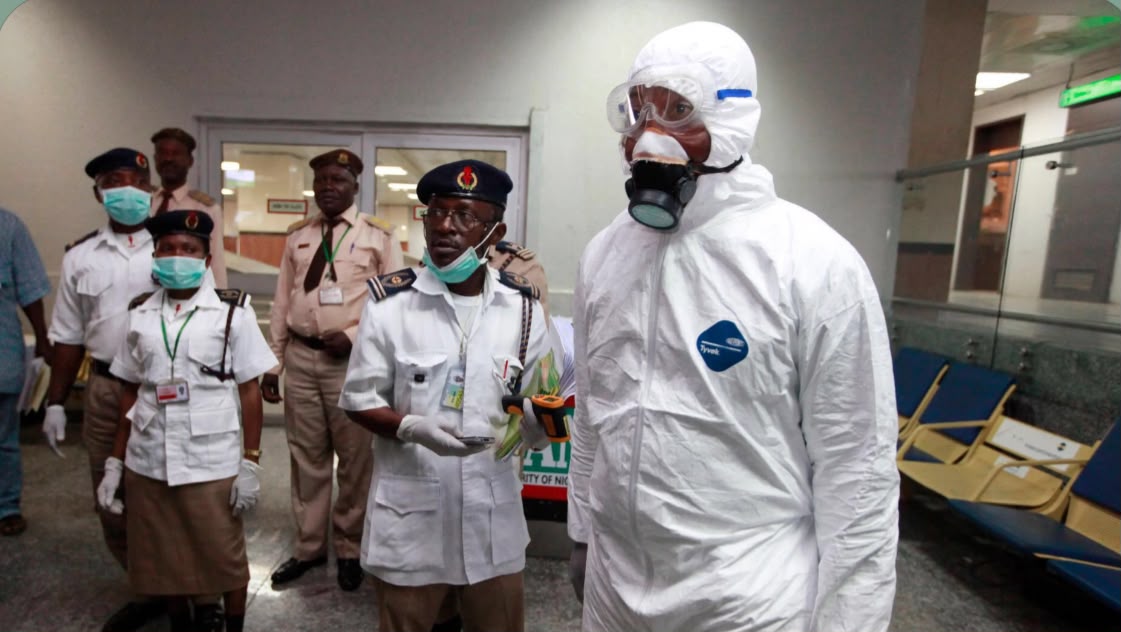
Fresh Ebola Case in Abuja Triggers Emergency Surveillance as Nigeria Assesses Economic Risks The Federal Government has confirmed an imported case of Ebola virus disease in the Federal Capital Territory (FCT), prompting emergency surveillance and contact-tracing measures amid concerns about the potential impact of an outbreak on Nigeria’s economy and preparations for the festive season. The case was confirmed on October 20 after laboratory tests detected the virus in a woman who had recently travelled through Uganda. Health authorities said the patient had received treatment at a private hospital in Abuja and had been placed in isolation. The development has raised concerns about possible disruptions to travel, hospitality, retail and other businesses if the infection spreads or public confidence is affected during the busy end-of-year period. According to the World Health Organisation (WHO), Nigeria has identified 44 contacts linked to the patient, with monitoring and investigations under way to determine potential exposure and prevent further transmission. The Federal Ministry of Health and Social Welfare, the Nigeria Centre for Disease Control and Prevention (NCDC), the FCT Health Services Secretariat and other relevant agencies have activated containment measures. Healthcare facilities nationwide have been directed to remain vigilant, promptly identify and isolate suspected cases, strengthen infection prevention procedures and report possible infections to public health authorities. Surveillance has also been intensified, while the hospital where the patient received care is being supported to reinforce infection prevention and control measures. Coordinating Minister of Health and Social Welfare, Professor Muhammad Ali Pate, said early detection, prompt reporting and public cooperation would be essential to containing the infection. Nigeria is drawing on its experience in containing the 2014 Ebola outbreak, when coordinated surveillance, isolation and contact tracing helped prevent wider transmission. The confirmation comes as businesses prepare for increased consumer spending, travel, hospitality bookings and commercial activity in the run-up to Christmas and the New Year. An extended outbreak could affect consumer confidence and place pressure on businesses that depend on travel, tourism, entertainment and public gatherings. Nigeria’s already strained household budgets could also make additional economic disruption difficult to absorb, particularly if restrictions or public anxiety affect trade and employment. However, the confirmation of one case does not by itself establish that widespread economic disruption will occur. The scale of any impact will depend largely on whether additional infections emerge and how effectively the response contains the disease. Public health experts have stressed the importance of evidence-based measures rather than indiscriminate travel restrictions. Effective surveillance at points of entry, rapid identification of suspected cases, contact tracing and appropriate isolation are central to reducing the risk of further transmission. Authorities are also expected to maintain clear public communication to limit misinformation and prevent unnecessary panic among residents and travellers. The Federal Government has urged healthcare workers and members of the public to cooperate with official health guidance as investigations continue. Ebola can spread through direct contact with the blood or body fluids of an infected person who has developed symptoms, the body of someone who has died from the disease, or contaminated materials. Symptoms may include fever, severe weakness, headache, muscle pain, vomiting and diarrhoea. Anyone who believes they may have been exposed should promptly contact public health authorities and follow their instructions rather than visiting a healthcare facility without warning. Health authorities have emphasised hand hygiene, avoidance of contact with potentially infectious body fluids and prompt reporting of suspected cases. The immediate priority remains identifying and monitoring people who may have been exposed, protecting healthcare workers and preventing additional infections. Although the imported case has prompted heightened vigilance, officials have pointed to Nigeria’s previous experience with Ebola as evidence that coordinated public health action can help contain the disease. The coming days will be important in determining whether the response can prevent further transmission while limiting unnecessary disruption to economic and social activities.