France Faces Another Heatwave As Debate Over Air Conditioning Intensifies
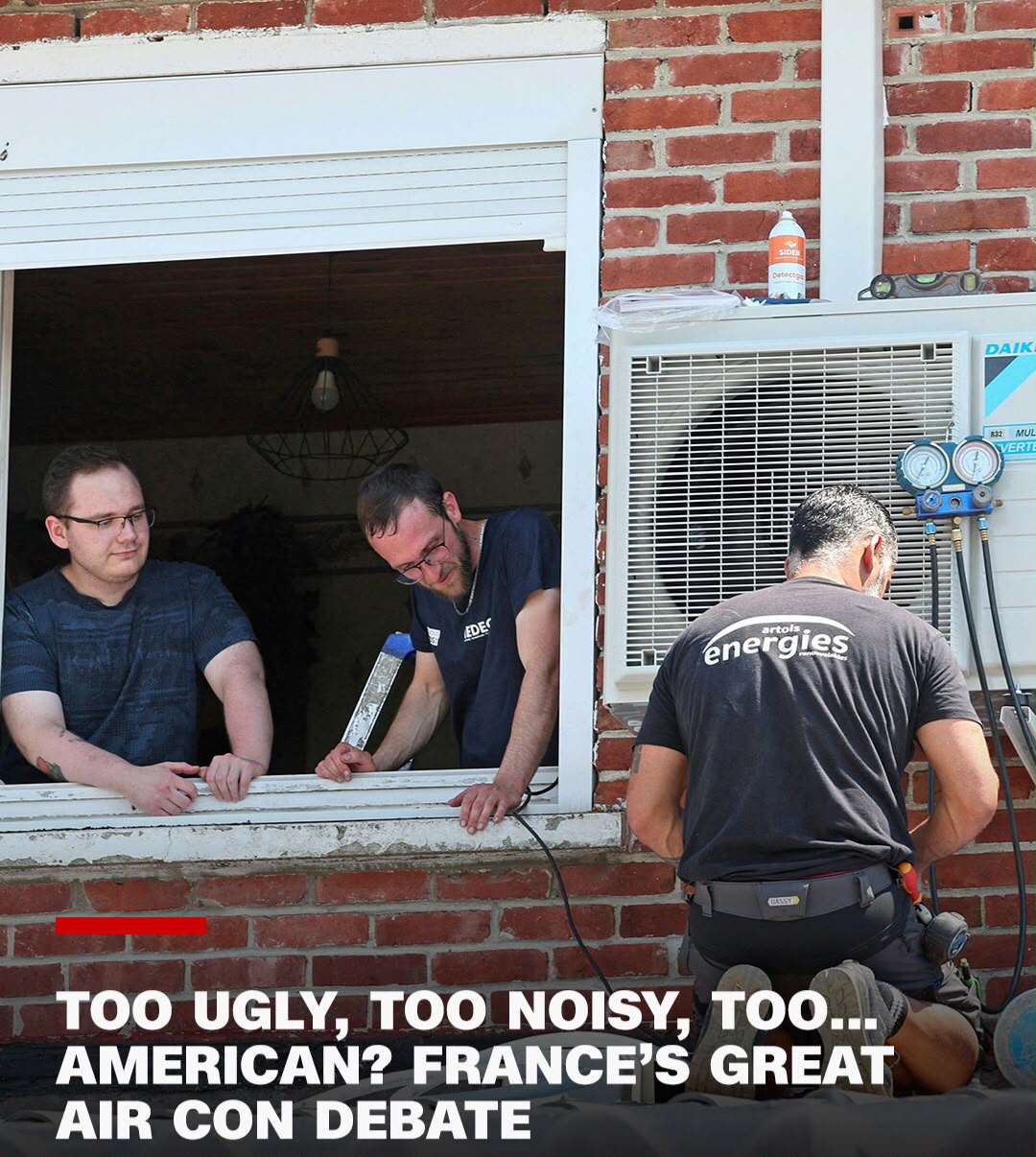
France Faces Another Heatwave as Debate Over Air Conditioning Intensifies France is preparing for another spell of extreme heat just weeks after enduring a record-breaking June heatwave, prompting renewed debate over the country’s limited use of air conditioning as temperatures are forecast to soar once again. Meteorologists say another surge of hot air is expected to sweep across much of the country this week, raising concerns about public health, energy demand, and the nation’s readiness for increasingly frequent heatwaves linked to climate change. Despite the soaring temperatures, air conditioning remains uncommon in many French homes, schools, restaurants, and public buildings. Unlike countries such as the United States, France has traditionally relied on thick stone buildings, shutters, natural ventilation, and fans to stay cool during the summer months. Environmental concerns also play a major role. Air conditioners consume large amounts of electricity and release waste heat outdoors, which can worsen temperatures in densely populated urban areas. French policymakers have generally promoted building insulation, green infrastructure, and passive cooling techniques over widespread air-conditioning use. However, as climate change fuels hotter and longer summers across Europe, many residents are questioning whether the country’s traditional approach is still sufficient. Hospitals, elderly care facilities, and businesses have increasingly called for expanded cooling infrastructure to protect vulnerable populations during extreme heat events. The renewed discussion comes as memories remain fresh of June’s intense heatwave, which disrupted daily life across France and much of Western Europe, forcing school closures, triggering health warnings, and placing additional strain on public services. Experts warn that heatwaves are becoming more frequent and severe, suggesting France may need to rethink how it balances environmental goals with protecting public health as extreme temperatures become the new normal.