Experts Raise Alarm Over Lack Of Comprehensive Insurance At Nigerian Airports
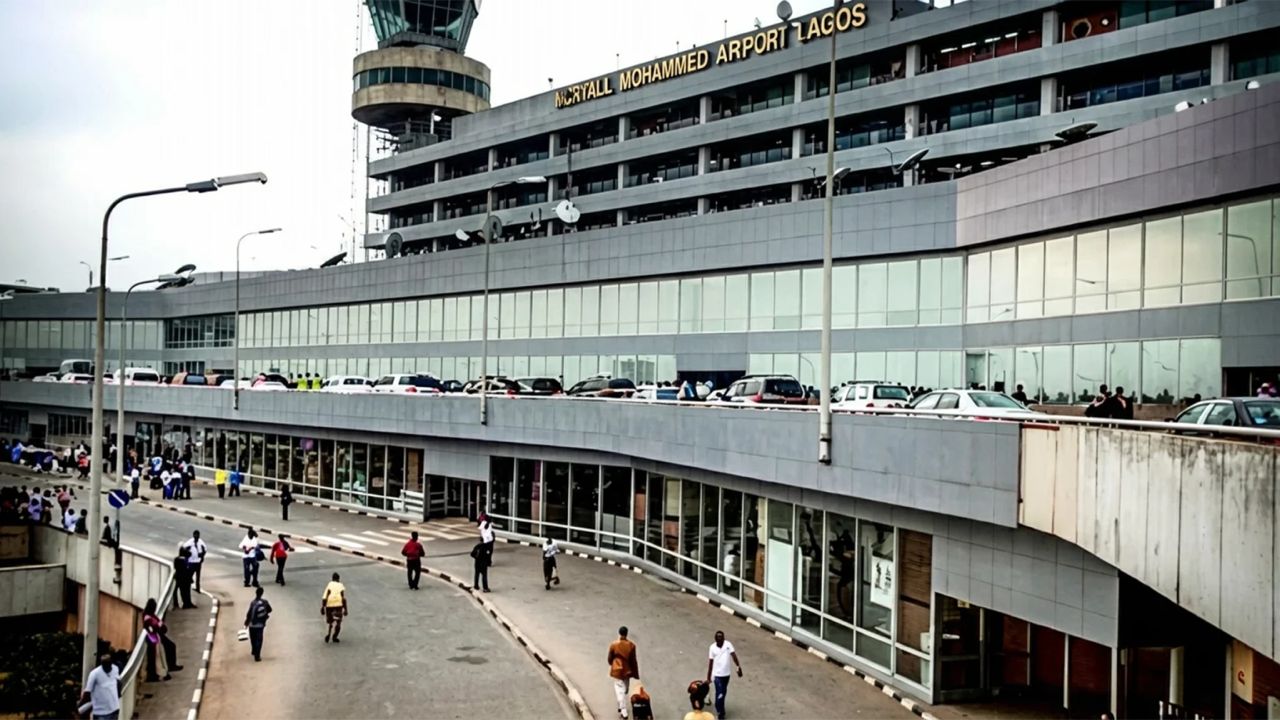
Experts Raise Alarm Over Lack of Comprehensive Insurance at Nigerian Airports Aviation and insurance experts have expressed concern over the absence of comprehensive insurance coverage at many Nigerian airports, warning that the situation exposes airlines, passengers, airport infrastructure, equipment, and government assets to significant financial risks in the event of accidents or operational failures. Industry stakeholders argue that airports should maintain extensive insurance protection covering liability, property damage, public safety, and operational risks. According to experts, inadequate insurance arrangements could leave airport operators and government agencies vulnerable to substantial financial losses arising from aircraft damage, passenger claims, wildlife strikes, infrastructure failures, and other aviation-related incidents. Aviation professionals note that airlines operating in Nigeria are often required to maintain insurance coverage for aircraft, passengers, and cargo, while questions remain regarding the scope and adequacy of insurance arrangements maintained by airport operators. They contend that comprehensive airport insurance is considered standard international practice and forms part of broader risk-management frameworks within the aviation sector. Experts cited examples of aircraft damage linked to airport-related incidents, arguing that where airport infrastructure or operational shortcomings contribute to losses, adequate insurance should help absorb financial liabilities rather than leaving airlines to bear the full cost of repairs. The debate has also highlighted concerns over runway maintenance, wildlife control, security breaches, and other operational challenges that can increase the likelihood of costly incidents. Industry observers warn that operating airports without sufficient insurance protection could expose both airport authorities and the government to significant compensation claims and financial obligations. However, officials of the Federal Airports Authority of Nigeria have reportedly maintained that airports under their management are insured and that relevant insurance policies remain current. The authority also stated that efforts are ongoing to address infrastructure, runway maintenance, and wildlife-management challenges across the airport network.Insurance professionals have nevertheless called for greater transparency regarding the nature and extent of airport insurance policies, including coverage for public liability, airport assets, and third-party risks. They argue that clearer disclosure would help reassure airlines, investors, and the travelling public that adequate safeguards are in place. Former airport management executives and aviation consultants stressed that while international industry bodies may not explicitly mandate insurance as a condition for airport operations, comprehensive coverage is widely regarded as an essential component of sound corporate governance and risk management. They added that airlines, investors, and service providers generally expect airport operators to carry adequate insurance protection.Stakeholders warned that failure to strengthen insurance frameworks could undermine confidence in the aviation sector and discourage investment. They urged regulators, airport operators, insurers, and government agencies to work together to ensure that airports are adequately protected against operational and financial risks.
- Experts say many airport risks may not be covered by comprehensive insurance arrangements.
- Airlines could face substantial costs when airport-related incidents damage aircraft.
- Airport operators are exposed to liability from accidents, infrastructure failures, and third-party claims.
- FAAN says airports under its control are insured and coverage is up to date.
- Industry stakeholders are calling for stronger insurance requirements and greater transparency.