Eta Aquariid Meteor Shower Lights Up Night Sky How To Watch The Halley’s Comet Debris Event
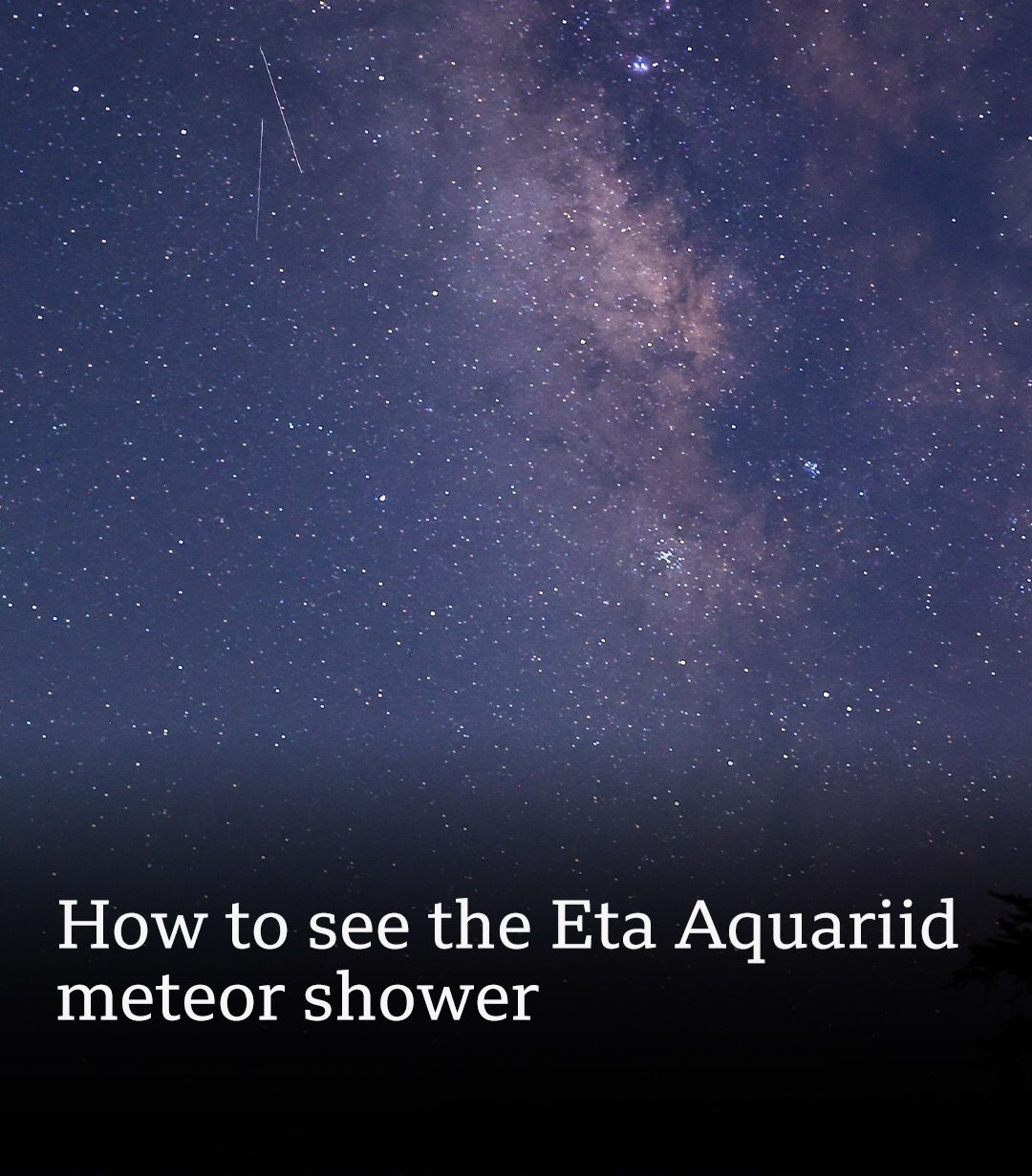
Eta Aquariid Meteor Shower Lights Up Night Sky How to Watch the Halley’s Comet Debris Event The Eta Aquariid meteor shower is currently active, offering skywatchers around the world a chance to witness one of the most consistent annual celestial displays. The shower, which originates from debris left behind by Halley’s Comet, is expected to peak in the early hours of May 5–6, when Earth passes through the densest part of the comet’s orbital dust trail.
As Earth moves through this stream of cosmic debris, tiny particles enter the atmosphere at extremely high speeds about 65 km per second burning up and creating bright streaks of light known as meteors or “shooting stars. The meteors appear to radiate from the constellation Aquarius, though they can be seen across different parts of the sky. The shower is active from late April to late May, with peak visibility around early May. Astronomers say this year’s viewing conditions may be affected by bright moonlight, which could reduce the number of visible meteors in some regions. Experts recommend viewing the shower in the pre-dawn hours, when the radiant point is highest in the sky.
- Best viewing time Around 2:30am to just before sunrise
- Best locations Dark areas away from city lights
- Best hemisphere Southern Hemisphere offers the clearest views, though the Northern Hemisphere can still see meteors under good conditions Skywatchers in southern regions may see up to 50 meteors per hour, while those in the north may see fewer due to the lower position of the radiant.
Astronomers stress that no telescope or binoculars are required. The shower is best viewed with the naked eye in a dark, open sky.
Viewers are advised to The Eta Aquariids are one of two meteor showers linked to Halley’s Comet, the other being the Orionids in October. Each year, Earth passes through the comet’s ancient trail, creating these regular celestial displays. Astronomers say the Eta Aquariids are known for fast, bright meteors with long glowing trails, some of which can last several seconds in the night sky.