Eleven Cancers Rising Among Young People In England, Scientists Warn
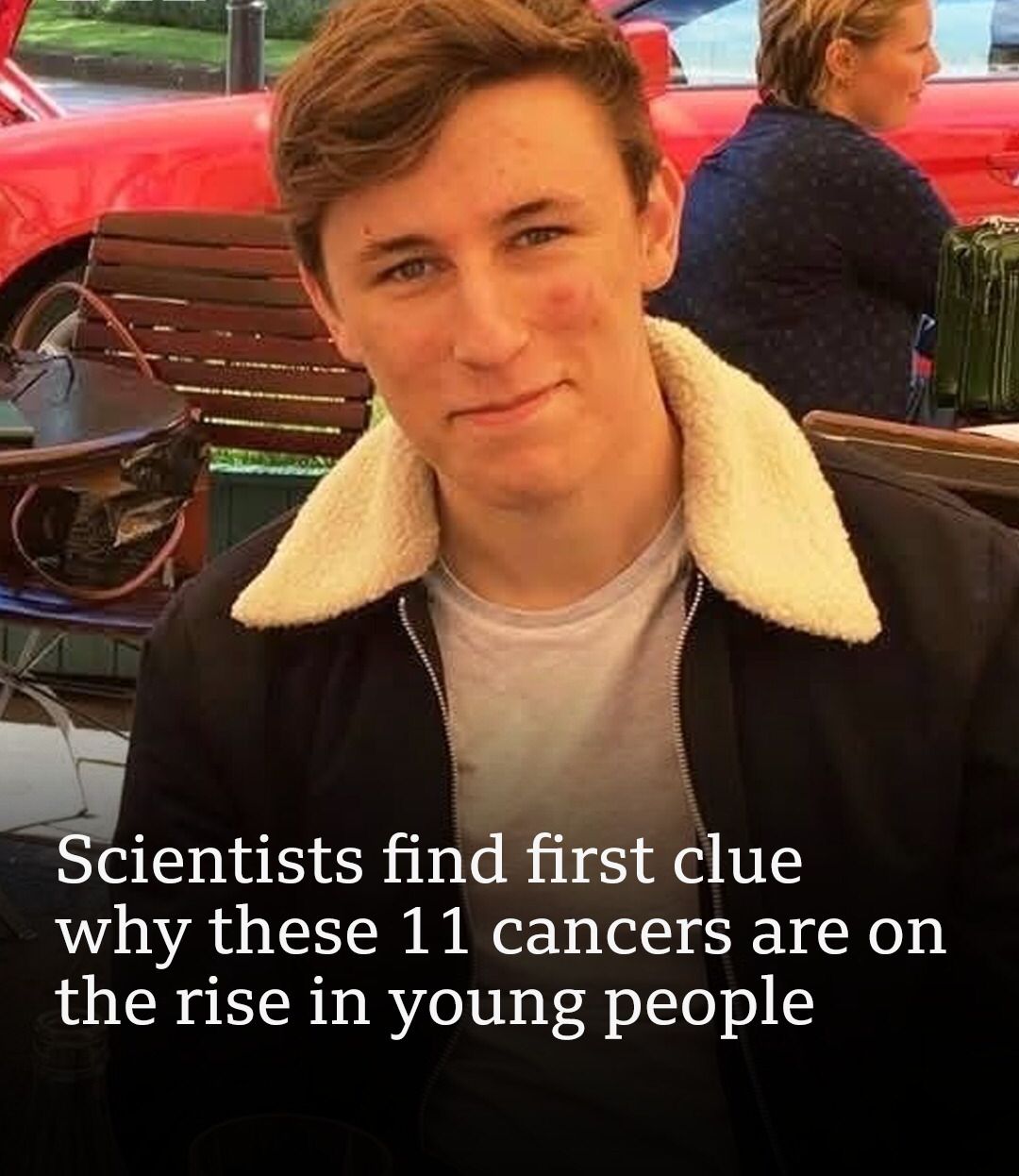
Eleven cancers rising among young people in England, scientists warn Scientists have raised fresh concerns after research revealed that 11 different types of cancer are becoming more common among young people in England, contributing to increasing deaths among adults under 50, including 23-year-old Bradley, whose case highlights the growing trend. Health experts say the rise challenges long-held assumptions that cancer is mainly a disease affecting older people, as more young adults are now being diagnosed with serious forms of the illness. According to researchers analysing national health data, cancer diagnoses among younger age groups have steadily increased in recent years. The study found notable rises across multiple cancer types, prompting scientists to investigate possible environmental, lifestyle and biological causes. Although survival rates for many cancers have improved overall, specialists warn that increasing incidence among younger patients could place additional strain on health services and families. The deaths of young patients such as Bradley, who died aged 23 after being diagnosed with cancer, underscore the emotional and social impact of the trends
Researchers identified 11 cancers showing a significant increase among younger adults, including
- Bowel cancer
- Breast cancer
- Pancreatic cancer
- Kidney cancer
- Liver cancer
- Some blood cancers and lymphomas
- Other digestive system cancers
Experts noted that bowel cancer in particular has seen a noticeable rise among people under 50 a pattern also observed in several other developed countries. Scientists emphasise that no single factor explains the increase, but several contributors are being examined:
- Rising obesity levels
- Poor diet and ultra-processed foods
- Physical inactivity
- Alcohol consumption
- Environmental exposures
- Changes in gut bacteria and microbiome health
- Earlier and improved detection methods
Researchers believe modern lifestyle changes over recent decades may be influencing cancer risk earlier in life. Doctors are urging younger people and healthcare professionals not to dismiss persistent symptoms because of age. Early signs such as unexplained weight loss, prolonged fatigue, unusual bleeding or lasting digestive problems should be medically assessed.
Cancer charities say awareness campaigns traditionally aimed at older adults may need updating to reflect changing patterns of disease. Scientists stress that more long-term studies are required to understand why cancers are appearing earlier and how prevention strategies can be adapted. Health authorities say improving screening access, promoting healthier lifestyles and increasing public awareness will be key to reversing the trend.
Despite the worrying rise, experts emphasise that cancer in young adults remains relatively uncommon compared with older populations, and many patients respond well to treatment when diagnosed early.