DOJ Claims It Has Released All Required Epstein Files
by HEDNEWS on February 16, 2026
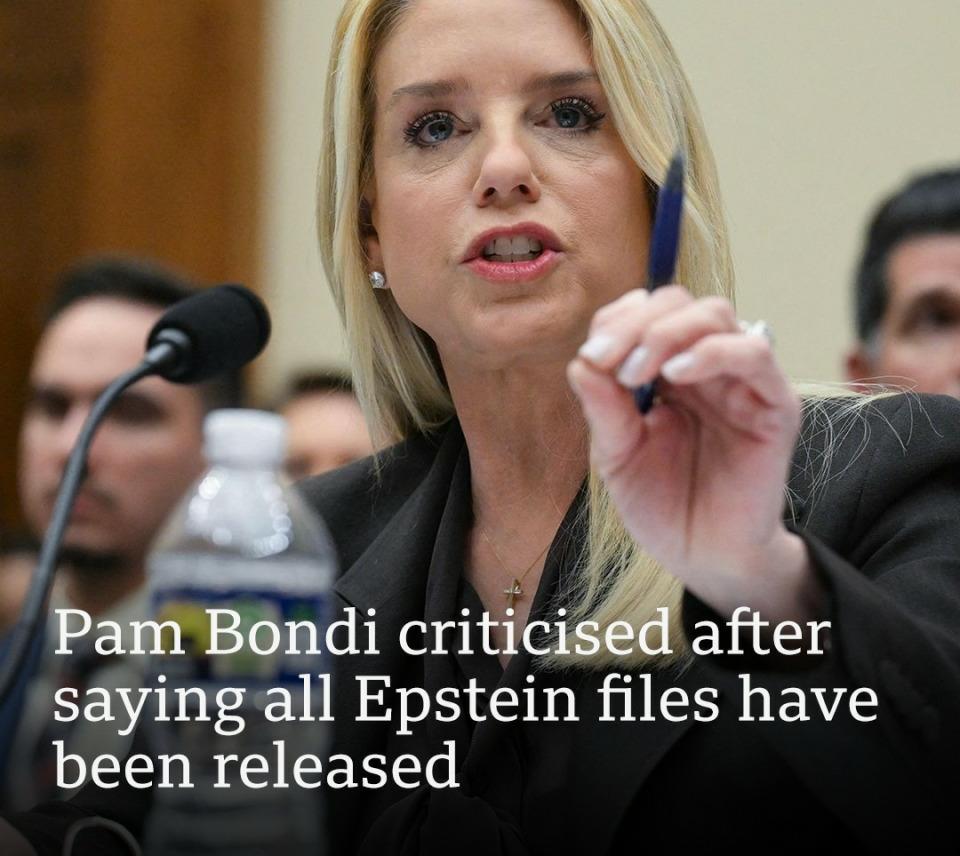
DOJ Claims It Has Released All Required Epstein Files
- The U.S. Department of Justice (DOJ) has told Congress it has released all of the documents it believes the Epstein Files Transparency Act required it to disclose including investigative materials, internal communications, and a list of names mentioned in the Jeffrey Epstein and related Ghislaine Maxwell files.
- Attorney General Pam Bondi and Deputy Attorney General Todd Blanche said the documents cover all nine categories laid out in the law, amounting to millions of pages.
- Bondi stressed that being included in the files does not imply guilt, and acknowledged that some materials were kept back due to legal privilege or ongoing litigation.
- Lawmakers, including co-authors of the transparency law Reps. Ro Khanna (D-Calif.) and Thomas Massie (R-Ky.), have blasted the DOJ’s release as incomplete, vague, or legally non-compliant.
- Critics argue that key materials, such as internal memos on prosecution decisions, have not been made public and that many of the released documents contain heavy redactions or omit names of alleged abusers.
- Khanna and others say the list mixes irrelevant or impossible references (e.g., historical figures who died long before Epstein’s crimes) with serious names, obscuring the files’ meaning. CONGRESSIONAL AND SURVIVOR ADVOCATES PUSH BACK
- There has been bipartisan pressure on DOJ to be more transparent, with some lawmakers urging independent judicial oversight to ensure compliance.
- Epstein survivors and advocates have also criticized the release for being partial and heavily redacted, arguing it undermines the law’s intent to promote accountability.
- Members of the House Judiciary Committee have been given access to unredacted versions of the released files inside secure DOJ facilities, but broader public access remains limited.
OVERVIEW OF TRANSPARENCY LAW AND RELEASE BACKGROUND - The Epstein Files Transparency Act was enacted in late 2025 and required the DOJ to publish all unclassified records and provide Congress with details on redactions and names of government officials referenced in the files.
- DOJ’s rollout began in late 2025 with some releases missing the statutory deadline, and lawmakers noting that millions of pages remain unreleased or heavily obscured.
- Republican and Democratic lawmakers are discussing potential enforcement actions, oversight mechanisms, and new legislation to address concerns about compliance and transparency.
- Pressure is building for the DOJ to justify all redactions publicly, and stakeholders (including survivor groups) are calling for further legal and legislative scrutiny of the release process.