Cooking Gas Price Hits N1,600/kg In Lagos As Rising Costs Squeeze Households
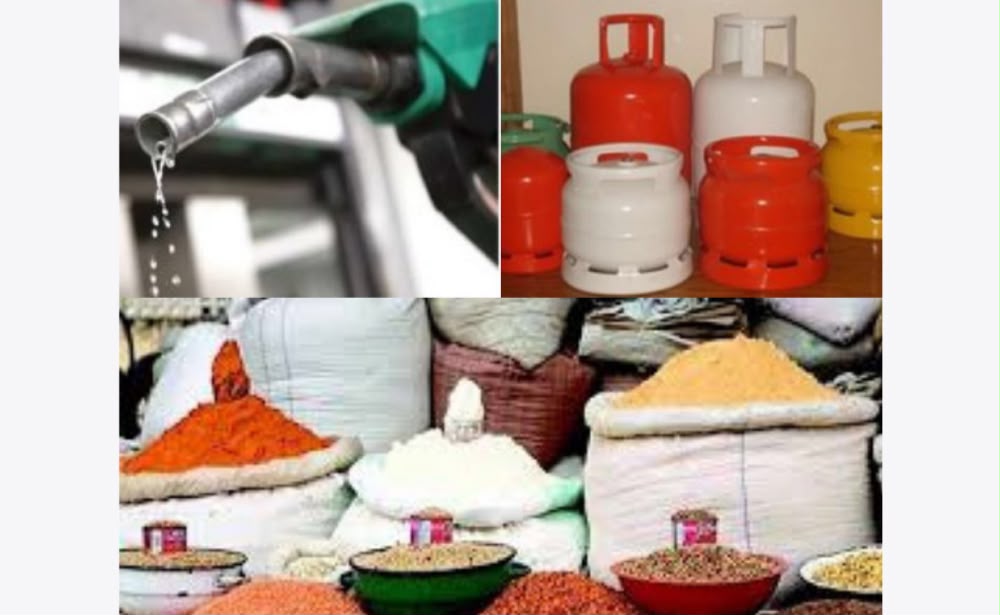
Cooking Gas Price Hits N1,600/kg in Lagos as Rising Costs Squeeze Households The price of Liquefied Petroleum Gas LPG, commonly known as cooking gas, has climbed to N1,600 per kilogramme in Lagos, with consumers in parts of the Southwest paying as much as N1,500 per kilogramme, adding to mounting household expenses following recent increases in petrol and transportation costs.
The latest increase has raised concerns among households, food vendors and small businesses that rely heavily on LPG, with transportation and distribution expenses contributing significantly to differences between plant and retail prices. Checks across Lagos, Osun, Oyo and Ogun showed significant variations in LPG prices.
- Lagos N1,350 per kilogramme
- Osun N1,300 per kilogramme
- Oyo N1,200 per kilogramme
- Ogun N1,400 per kilogramme
Retail prices were higher in some locations, reaching N1,600 per kilogramme in Lagos, N1,500 in Osun and about N1,300 in Oyo. At N1,600 per kilogramme, filling a standard 12.5kg cylinder in Lagos would cost about N20,000, while the same cylinder would cost approximately N18,750 at the N1,500 rate recorded in Osun. The Managing Director of DAPNIK Gas Plant, Olatunbosun Oladapo, said the highest retail prices should not necessarily be interpreted as evidence of a uniform increase across the LPG market. He said his plant in Ibadan was selling LPG at about N1,150 per kilogramme, while some outlets in Lagos could also offer prices between N1,100 and N1,150. according to Oladapo, transportation, distributor margins and the distance between consumers and supply points can substantially increase the final price paid by households. He urged consumers to distinguish between plant prices and distributor or retail prices, noting that transportation expenses are often added at different stages of the supply chain. Energy lawyer and oil and gas expert, Dr Ayodele Oni, attributed the continuing pressure on LPG prices to a combination of supply constraints, international market movements, foreign-exchange exposure and logistics costs. Data from the Nigerian Midstream and Downstream Petroleum Regulatory Authority NMDPRA, showed that Nigeria supplied 565,106 tonnes of LPG between January and June 18, 2026, compared with a benchmark requirement of 657,072 tonnes. That represented a supply deficit of 91,966 tonnes, with domestic supply covering about 86 per cent of estimated demand during the period. Oni said international propane and butane prices, shipping and insurance costs, the naira exchange rate and domestic transportation expenses can all influence the price eventually paid by consumers. The rising cost is also creating concerns about Nigeria’s transition to cleaner cooking fuels. Oni warned that sustained LPG price increases could force some low-income households to reduce their consumption or return to cheaper alternatives such as charcoal and firewood. He called for stronger domestic supply arrangements, greater transparency in depot pricing and improvements in storage and distribution infrastructure. The higher LPG prices are also affecting businesses such as food vendors and restaurants, which depend on cooking gas as a major production input. Increased energy costs could eventually translate into higher prices for prepared food and other services. The cooking gas increase comes as households are already dealing with higher transportation expenses following the recent rise in petrol prices. Consumers say they are being forced to stretch their incomes across food, transportation and energy needs, increasing pressure on household budgets. The latest developments therefore add another layer to Nigeria’s ongoing cost-of-living pressures, with energy and transportation expenses affecting both household consumption and the operating costs of small businesses.