Consumers, Transporters Face Fresh Squeeze As Petrol Price Rises To N1,400/Litre
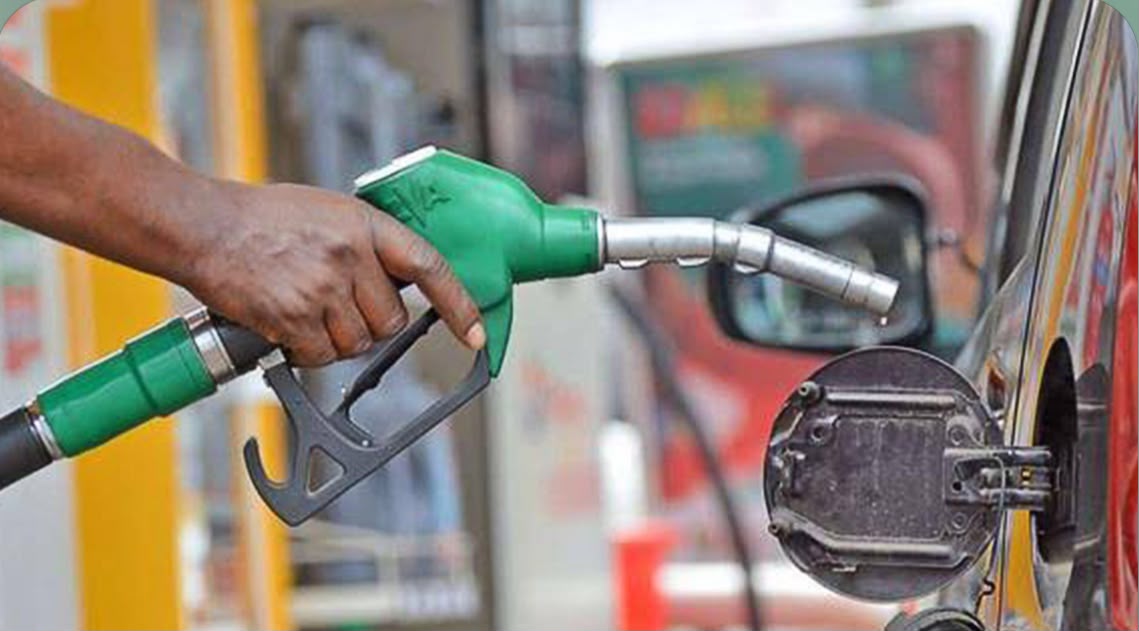
Consumers, Transporters Face Fresh Squeeze as Petrol Price Rises to N1,400/Litre Nigerians may face another round of higher transport fares and food prices following the latest increase in the price of Premium Motor Spirit PMS, popularly known as petrol, by Dangote Petroleum Refinery. The refinery raised its petrol gantry price from N1,265 to N1,350 per litre, effective Saturday, September 12, representing an N85 increase per litre. The latest adjustment is the fourth reported upward review of Dangote Refinery’s petrol price since August 21, taking the cumulative increase to N185 per litre within 22 days. The latest increase has triggered concerns among consumers, transport operators and businesses that rely heavily on petrol for daily operations. With transporters facing higher fuel costs, commuters could experience another increase in fares as operators seek to offset rising operating expenses.The effect could also spread to the prices of food and other essential commodities because of Nigeria’s dependence on road transportation for the movement of agricultural produce and goods. Dangote Refinery’s latest price adjustment follows a series of increases recorded in recent weeks. The refinery’s petrol gantry price has risen by N185 per litre in just 22 days, highlighting the pressure facing the downstream petroleum market. Although the refinery’s gantry price is not the same as the final pump price paid by motorists, the increase is expected to put additional pressure on the retail market as marketers factor in logistics, margins and other operating costs. Transport operators are among the groups most directly affected by increases in petrol prices. Higher fuel costs raise the amount required to operate buses, taxis and other vehicles, potentially forcing operators to increase fares. For commuters, particularly low income workers and households, higher transport costs could further squeeze disposable income and increase the cost of travelling to work, schools, markets and other destinations. The impact is not expected to be limited to transportation. A significant proportion of food consumed across Nigeria is transported by road from farms and production centres to urban markets. An increase in fuel costs therefore raises expenses for farmers, distributors, wholesalers and retailers.The additional costs could eventually be passed on to consumers through