Chocolate Prices Rise Worldwide But West Africa’s Cocoa Farmers Are Still Struggling
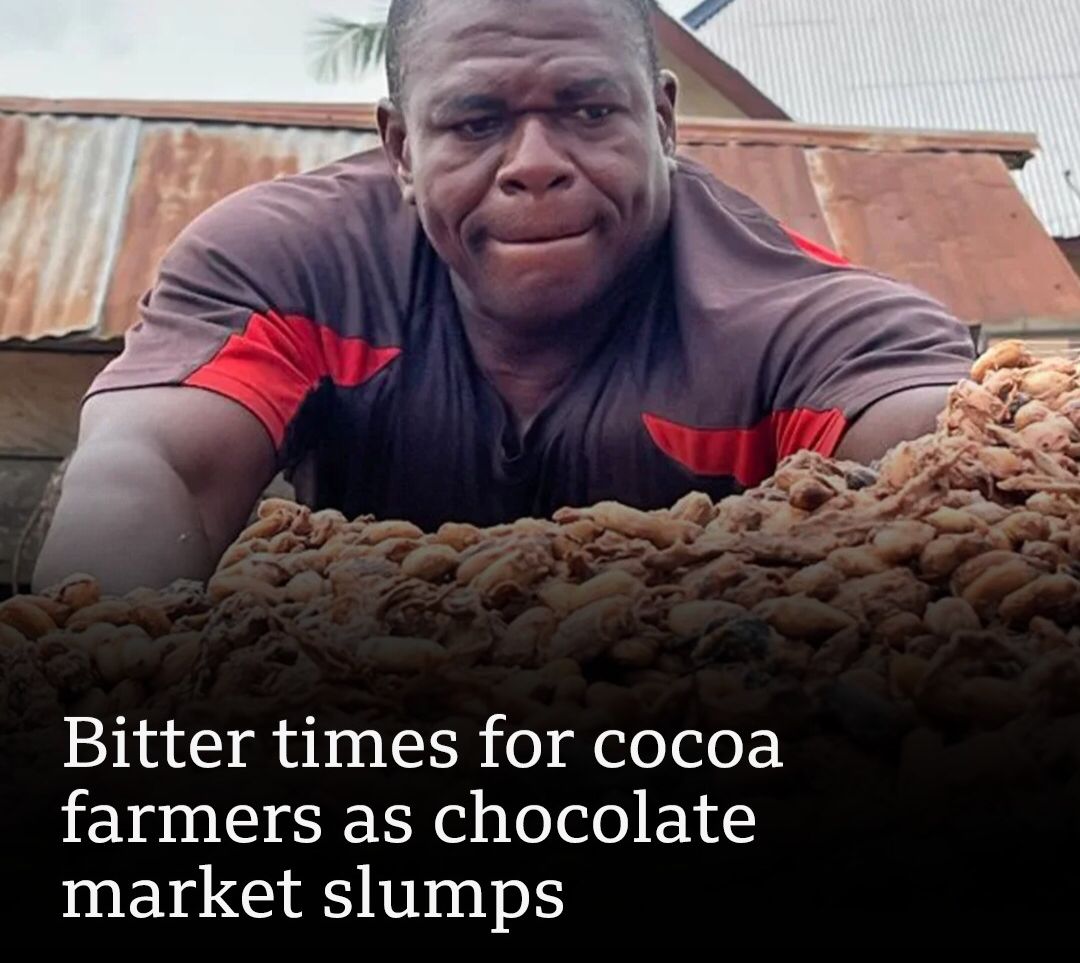
Chocolate Prices Rise Worldwide But West Africa’s Cocoa Farmers Are Still Struggling The price of chocolate bars has surged around the world over the past year, turning the sweet treat into a more expensive luxury for many consumers. Yet the farmers in West Africa, who grow most of the world’s cocoa, say they are not benefiting from the price increase. Countries like Ghana and Côte d’Ivoire produce the majority of the world’s cocoa beans, but many farmers there remain trapped in poverty despite the booming global chocolate market. Experts say the main reason is that cocoa farmers do not control the price of their crops. Instead, governments and global commodity markets determine how much they are paid. In Ghana and Côte d’Ivoire, authorities set a fixed farm-gate price for cocoa each season. While this system protects farmers when prices drop, it also means they often miss out when global cocoa prices soar.
As a result, even when chocolate companies and retailers charge higher prices for chocolate bars, the extra profit rarely reaches the farmers who grow the beans. According to industry estimates, cocoa farmers typically receive just a small fraction of the price of a finished chocolate bar. In many cases, they earn less than $2 per day, which is below the global poverty line.
This low income makes it difficult for farmers to invest in better equipment, fertilizers, or new trees to improve their harvests.
The situation has been made worse by climate change, extreme weather and crop diseases, which have damaged cocoa farms across West Africa. Plant diseases such as black pod disease and swollen shoot virus have reduced yields, while heatwaves and irregular rainfall have further affected cocoa production. With lower harvests and rising production costs, many farmers say they are struggling to survive even as global chocolate prices climb. Advocates say the long-term solution is to pay farmers a fairer share of the chocolate industry’s profits and improve transparency in the cocoa supply chain.
Some companies have introduced fair-trade and ethical sourcing programs that pay farmers more, but experts say these programs still cover only a small portion of global cocoa production. Until farmers receive better compensation, analysts warn the cocoa industry could face a future shortage as growers abandon cocoa farming for more profitable crops.