Canada’s Booze Boycott How Effective Has The Push To Drop US Alcohol Products Been
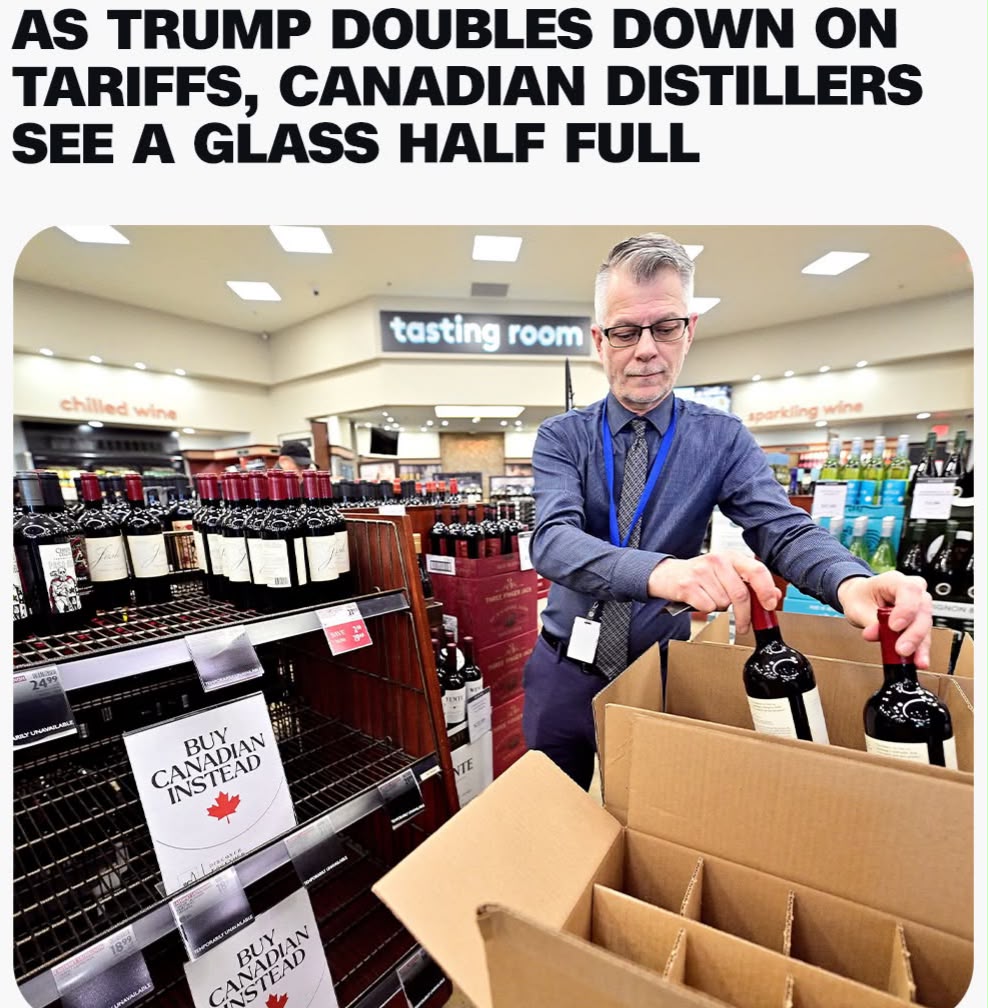
Canada’s Booze Boycott How Effective Has the Push to Drop US Alcohol Products Been Canada’s boycott of American alcohol products, launched during the early stages of the trade dispute between Canada and the United States in March 2025, has returned to the spotlight following renewed tariff tensions between the two countries. The move saw liquor retailers in several Canadian provinces remove US-made beer, wine, and spirits from their shelves in response to American tariffs on Canadian goods. The boycott was designed as a consumer-led response aimed at putting economic pressure on US producers while encouraging Canadians to support domestic alcohol brands. Several provincial liquor authorities backed the move by restricting the sale of American products and promoting locally produced alternatives. However, measuring the impact of the boycott has proved complicated. While some Canadian producers reported increased interest and sales after consumers shifted toward domestic options, the overall effect on the massive US alcohol industry has been limited by the size of the Canadian market compared with broader international demand. Industry analysts say the boycott has had a stronger symbolic and political impact than a major financial one. It has highlighted Canadian consumers’ willingness to use purchasing decisions as a form of protest, while also exposing the deep economic ties between the two countries’ alcohol markets. The renewed tariffs introduced by the US administration have reignited debate over whether Canada should continue restricting American products or focus on resolving trade tensions through negotiations. For now, the boycott remains a visible sign of growing economic nationalism as both countries navigate a difficult trade relationship.