‘Biafra Future Cannot Be Negotiated From Detention’ BRGIE Insists On Kanu’s Release
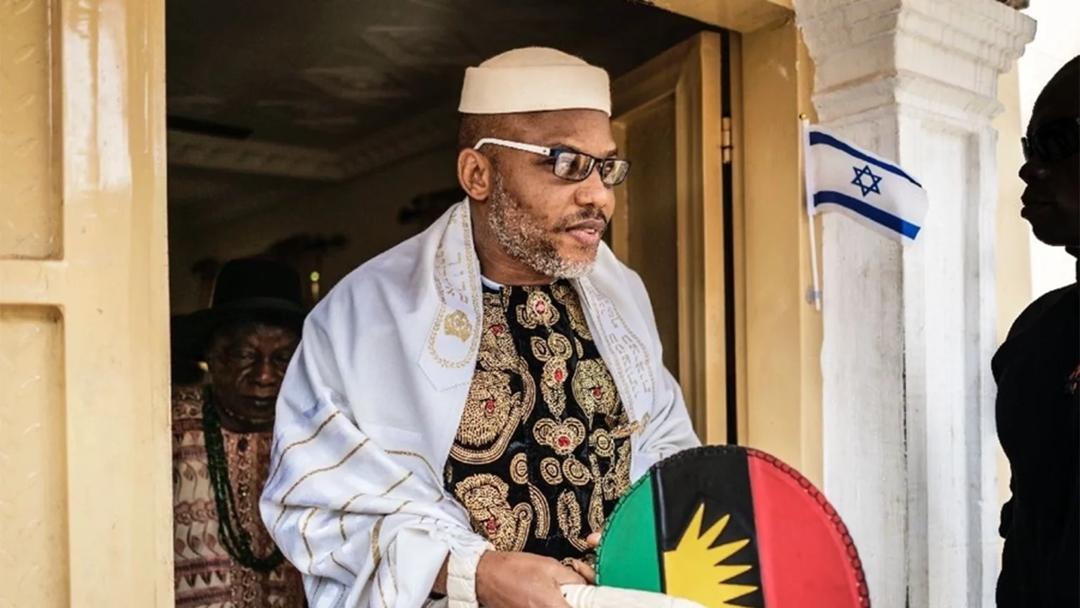
‘Biafra Future Cannot Be Negotiated From Detention’ BRGIE Insists On Kanu’s Release The Biafra Republic Government in Exile BRGIE has declared that detained separatist leader Nnamdi Kanu cannot negotiate the future of Biafra while in custody, rejecting any agreement reached under detention. In a statement released by the group, officials argued that meaningful political discussions concerning Biafra’s future must involve Kanu as a free individual rather than a detainee. The organisation maintained that negotiations conducted while the Indigenous People of Biafra IPOB leader remains in detention would lack legitimacy and fail to reflect the true aspirations of pro-Biafra supporters. According to the BRGIE, any attempt to secure an agreement under custodial conditions would amount to coercion and would not be binding on the broader movement seeking self-determination. The group insisted that Kanu’s continued detention undermines dialogue efforts and called for his unconditional release as a prerequisite for genuine political engagement. BRGIE, linked to Biafra agitation abroad and associated with separatist activist Simon Ekpa, said discussions about Biafra’s political future must be conducted in an environment free from pressure or restriction. Kanu has remained in the custody of Nigerian authorities following his arrest and extradition, with his legal battle continuing in Nigerian courts amid calls from supporters and regional organisations for political resolution of the crisis in the South-East. The Federal Government has repeatedly maintained that Kanu faces serious charges relating to national security, while some political stakeholders have urged dialogue as a pathway to lasting peace.
The renewed statement from the BRGIE adds another layer to ongoing debates over whether negotiations or judicial processes should determine the fate of the separatist leader and the broader agitation for Biafra. Observers say the issue remains one of Nigeria’s most sensitive political and security challenges, with tensions in the South-East continuing to attract both domestic and international attention.