As Middle East War Enters Second Week, Trump Gives Mixed Messages While Iran Signals Long Fight
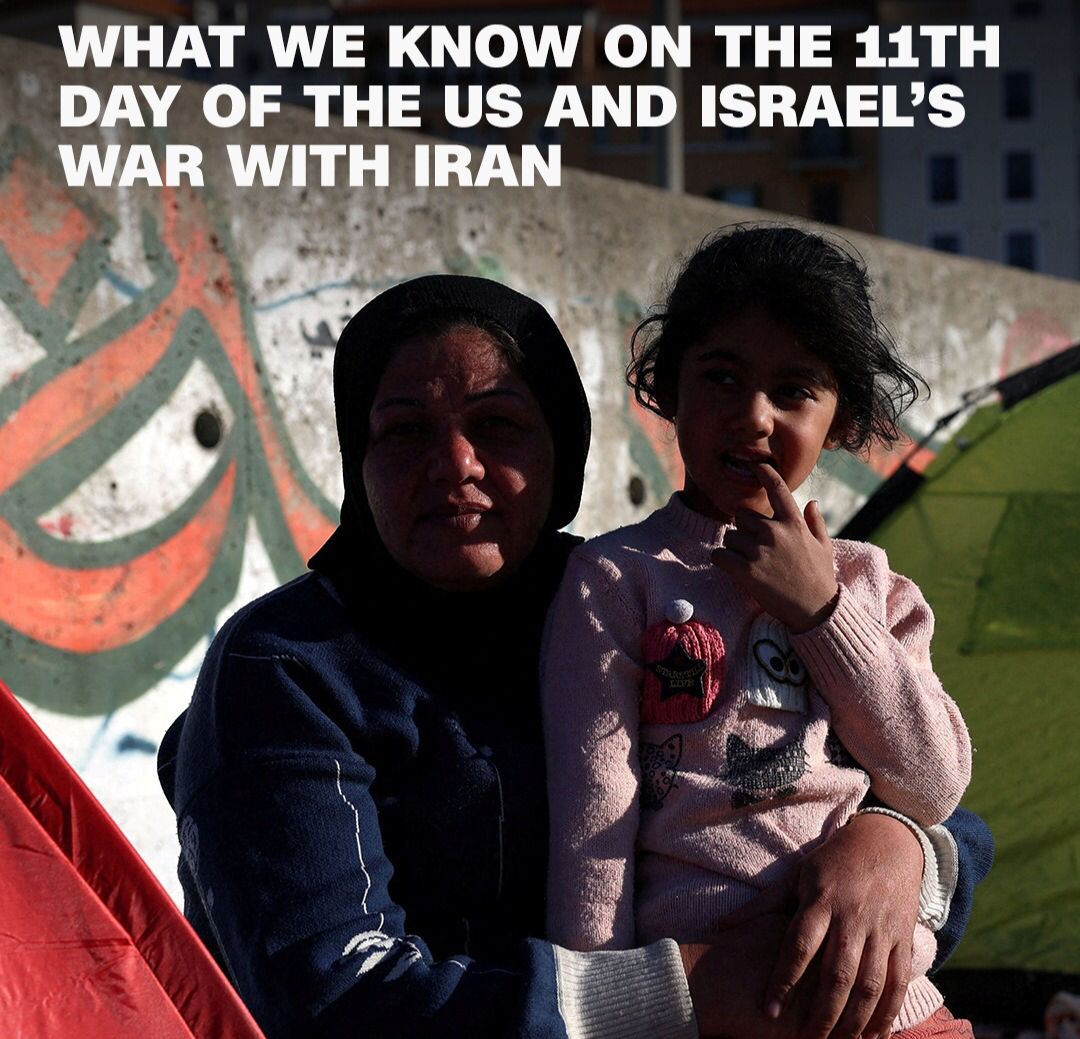
As Middle East war enters second week, Trump gives mixed messages while Iran signals long fight As strikes by the United States, Israel and Iran continue across the region for an 11th day, US President Donald Trump has sent conflicting signals about how long the war will last, even as Iranian leaders make clear they are prepared for a prolonged conflict. The conflict sparked by heavy military action after Iranian attacks on US and allied positions has unleashed one of the most serious regional wars in years. The humanitarian toll is mounting, global energy markets are in turmoil, and diplomatic efforts have so far failed to secure a ceasefire. In recent remarks, Trump alternately suggested the conflict could end “very soon” while also stressing that US and allied forces had additional objectives to complete. Speaking to reporters, Trump described the operation as a “short‑term excursion” aimed at clearing out what he called “evil,” and said he believed the fighting could conclude quickly. He highlighted the scale of strikes carried out by US and Israeli forces and predicted that momentum was on their side. At the same time, the president has also acknowledged that US military goals are not yet fully achieved, telling Republican lawmakers that “we haven’t won enough,” and at times forecasting a timeline of several weeks of operations. His public statements have not provided a clear fixed end date. Meanwhile, the Pentagon’s messaging has suggested the campaign may just be beginning, posting on social media that “we have only just begun to fight,” reflecting uncertainty within the administration about the conflict’s trajectory. Iranian officials have dismissed suggestions that Washington controls the war’s timeline, insisting Tehran will decide when hostilities end. Spokespeople for Iran’s Revolutionary Guards said the nation would “determine the end of the war,” and the Foreign Ministry rejected any immediate ceasefire talks while military attacks continue. Chief Iranian diplomats also emphasized that their forces are prepared to keep fighting “as long as needed,” including sustained missile and drone strikes across the Gulf and against US allies.
The war has entered its second week amid heavy bombardment on multiple fronts, including in Iran itself and in neighbouring countries such as Lebanon, where allied militant groups have fired rockets. Civilians continue to be caught up in the violence, with displacement and casualties rising.
The conflict’s relentless escalation has created one of the largest humanitarian crises in the region in years. Hundreds of thousands of civilians have been forced from their homes, and more than 1,700 people are estimated to have been killed across Iran, Lebanon and other affected states. Food, water and medical supplies in some areas are running low as infrastructure is damaged or cut off. The war has also triggered unprecedented disruption to global energy markets. Attacks near the Strait of Hormuz a key maritime artery carrying about 20 % of the world’s oil have forced many shipping companies to reroute or suspend traffic, contributing to volatile oil prices and raising concerns of prolonged supply instability. Analyses suggest these disruptions could continue as long as the conflict persists. World leaders have voiced alarm over the widening war. European officials cautioned that airstrikes alone will not topple Iran’s regime and stressed that a longer conflict is likely unless diplomatic channels can be reopened. Gulf states and Arab partners have urged restraint and de‑escalation to prevent further destabilisation of the region. The United Nations and humanitarian agencies have called for urgent efforts to protect civilians and ensure aid delivery, warning that without progress toward a ceasefire the crisis will deepen.