Alleged Ringleader In Anti-ICE Church Storming Arrested
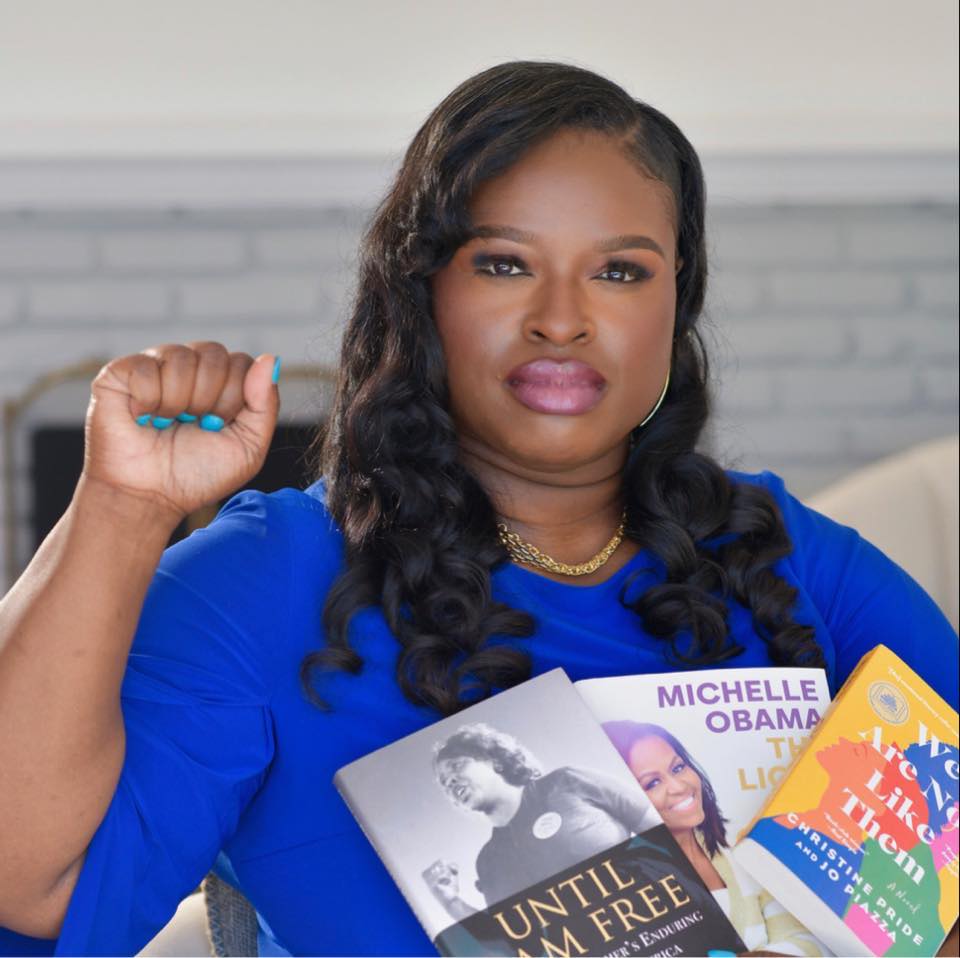
Alleged Ringleader in Anti-ICE Church Storming Arrested, AG Pam Bondi Says St. Paul, Minnesota Federal authorities have arrested Nekima Levy Armstrong, described by the U.S. Department of Justice as a key organizer of the group that disrupted a Sunday worship service at Cities Church in St. Paul, Minnesota. The announcement was made by U.S. Attorney General Pam Bondi on Thursday, marking a major escalation in federal enforcement after protests targeting Immigration and Customs Enforcement (ICE) officials turned into a high-profile confrontation. The incident occurred on Sunday, January 18, when a group of anti-ICE activists entered Cities Church during a service, chanting slogans such as “ICE out” and “Justice for Renee Good.” The crowd accused a church leader identified by protestors as connected to ICE of coordinating immigration enforcement actions that have sparked local tensions. The protest interrupted regular worship, leading to heightened alarm among congregants and prompting a swift response from federal authorities. Church leaders and faith organizations condemned the disruption, calling it an unlawful intrusion into a sacred space. Attorney General Bondi stated that Homeland Security Investigations (HSI) and the FBI executed the arrest in Minnesota at her direction. She emphasized that attacks on places of worship would not be tolerated and vowed continued accountability for participants in the incident. Nekima Levy Armstrong, a civil rights attorney and local activist, was taken into custody in connection with organizing or leading the church protest, according to the DOJ. She has been a prominent voice in local activism.
The church protest was part of a broader wave of demonstrations in Minnesota following the fatal shooting of Renée Good, a 37-year-old mother of three, by an ICE officer an event that has sharply divided the Minneapolis-St. Paul community and led to increased federal immigration enforcement in the region. Political figures and community leaders have reacted strongly: Pam Bondi condemned the church disruption as “horrific” and stressed that such intrusions into religious services will be prosecuted under federal law. Some protest participants, like activist William Kelly (known on social media as “DaWokeFarmer”), publicly challenged federal authorities to arrest them and defended their actions as political protest intensifying the standoff between activists and law enforcement. National religious leaders and organizations sharply criticized the disruption, arguing that political grievances do not justify interrupting worship or intimidating congregants.
Federal authorities are reviewing whether charges under civil rights and federal law including potential violations of protections for freedom of worship apply to those involved in the church storming. The Justice Department’s civil rights division has opened an investigation into the incident. Legal analysts note that the case sits at the intersection of First Amendment rights (freedom of speech and protest) and protections for religious worship spaces, and could set significant precedents for how similar protests are handled nationally.
The incident and subsequent arrest have amplified tensions in Minnesota, where federal immigration actions have drawn both support and fierce opposition. Local leaders, including public officials and community activists, have traded accusations over handling protests and immigrant enforcement. Faith leaders across denominations have called for respect for religious spaces and urged de-escalation, even as broader debates over immigration policy, civil protest, and federal authority continue to unfold.
Armstrong’s arrest could lead to federal charges related to the disruption of worship services and civil rights violations. Authorities have signaled that further arrests may follow as the investigation deepens, while activists vow legal and public advocacy in response to charges.