ADC Warns Fuel Tax Could Push Petrol Price Above ₦1,500 If Tinubu Wins Re-election
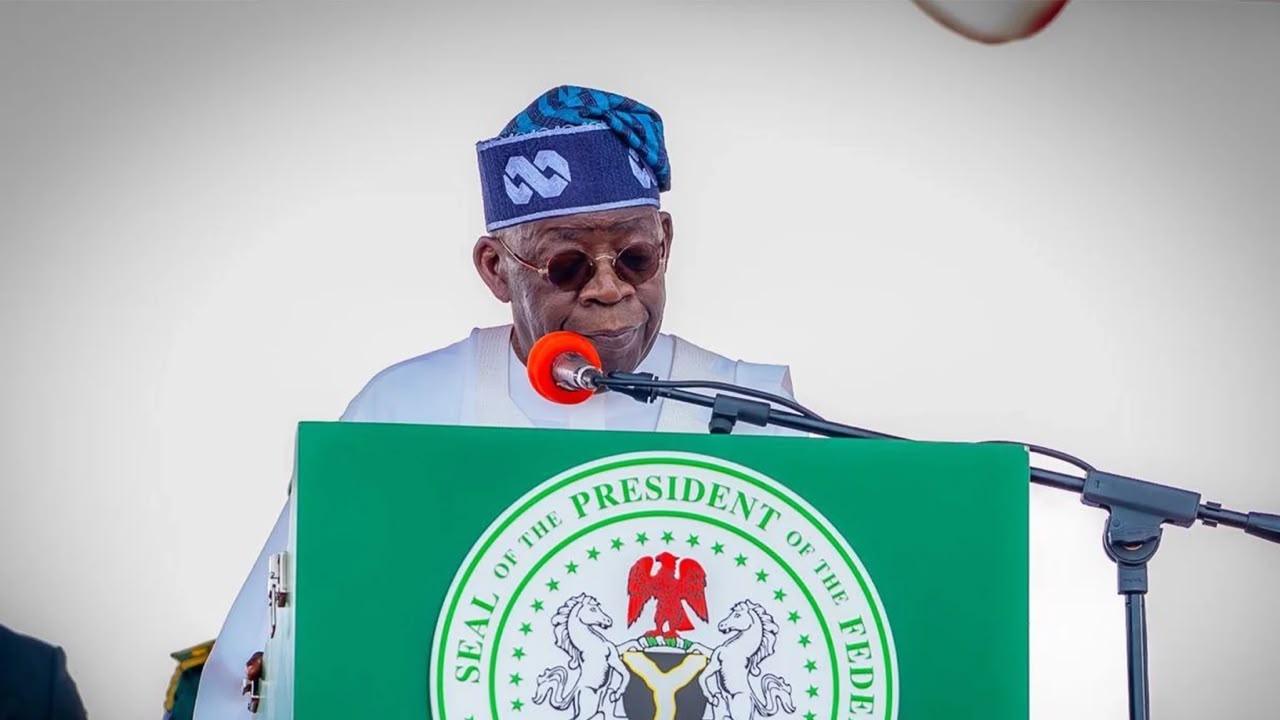
ADC Warns Fuel Tax Could Push Petrol Price Above ₦1,500 If Tinubu Wins Re-election The African Democratic Congress (ADC) has warned that President Bola Tinubu could introduce a five per cent fuel tax at the beginning of a second term if re-elected in 2027, potentially pushing petrol prices above ₦1,500 per litre and increasing pressure on households and businesses. The opposition party made the allegation in a statement issued by its National Publicity Secretary, Bolaji Abdullahi, following comments by the Minister of Finance and Coordinating Minister of the Economy, Taiwo Oyedele, on the possible timing of the tax. Abdullahi alleged that the government could activate the provision after the 2027 election, drawing a comparison with the announcement of petrol subsidy removal during Tinubu’s inauguration in May 2023. The ADC’s prediction is a political allegation, not a confirmed government timetable for implementing the tax. The party said that if petrol sells for ₦1,450 per litre, a five per cent surcharge passed on to consumers would increase the price to approximately ₦1,522.50 per litre. According to the ADC, such an increase could raise transportation costs, push up food distribution expenses and add to operating costs for small businesses, with consequences for household spending. Abdullahi argued that Nigerians already facing higher living expenses should receive economic relief rather than face additional charges. The party also questioned whether the expected benefits of the proposed tax, including funding for road infrastructure and fuel-price stabilisation, would justify the additional cost to consumers. The controversy followed remarks by Oyedele at the International Monetary Fund and World Bank annual meetings in Bangkok, Thailand, where he discussed the possibility of introducing a fuel tax when economic conditions improve and incomes can better accommodate it. The minister reportedly said revenue from the levy would support road infrastructure and the development of a fuel reserve intended to help moderate prices during supply disruptions. However, the Federal Ministry of Finance subsequently clarified that the government was not considering introducing a fuel tax at this time, saying it would be insensitive to impose another charge after the removal of petrol subsidies. The ADC criticised the prospect of an additional fuel levy, arguing that the government should demonstrate measurable improvements in living standards before introducing further costs. Abdullahi also recalled that Tinubu, while serving as Lagos State governor in 2003, opposed a proposed fuel tax under the administration of former President Olusegun Obasanjo, describing it as a form of double taxation. The opposition party urged Nigerians to consider the fuel production subsidy proposed by its presidential candidate, former Vice-President Atiku Abubakar, arguing that the approach could help reduce petrol prices and the broader cost of living. The proposal reflects the ADC’s position on fuel pricing and should be distinguished from an adopted government policy. The dispute has renewed attention on the relationship between taxation, public infrastructure funding and the cost of living in Nigeria. While the ADC maintains that implementing the levy could increase petrol prices, the Federal Government’s clarification indicates that the tax is not currently under consideration. Whether the proposal will be implemented in the future remains uncertain. Any assessment of its effect on pump prices would depend on the applicable law, implementation arrangements, prevailing fuel prices and the extent to which any additional cost is passed on to consumers.