Abacha’s Inner Circle Marked Me, Three Generals For Elimination Abdulsalami
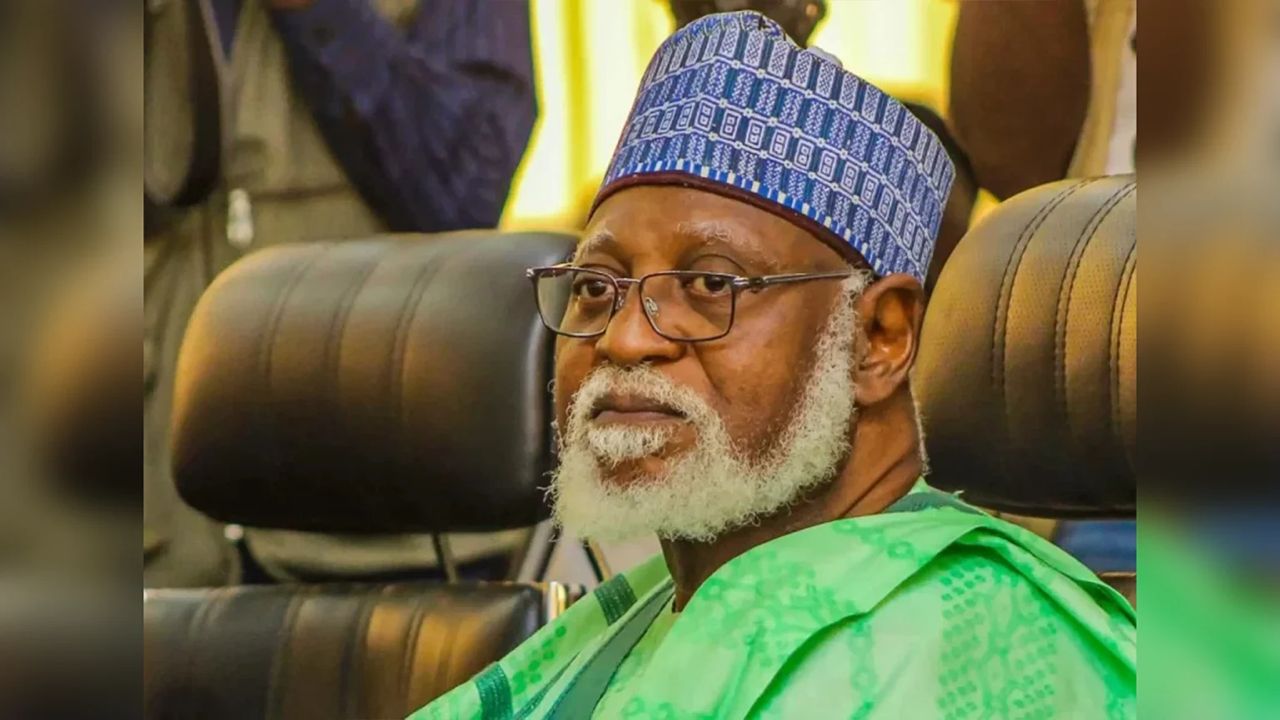
Abacha’s Inner Circle Marked Me, Three Generals for Elimination Abdulsalami Former Nigerian military Head of State, Abdulsalami Abubakar, has revealed that a powerful clique within the administration of late military ruler Sani Abacha repeatedly sought his removal from government and targeted him alongside three senior military officers for retirement and political isolation. The disclosure is contained in his newly released autobiography, Call of Duty, unveiled during events marking his 84th birthday in Abuja. According to Abubakar, the group operated as an influential “kitchen cabinet” around Abacha and often attempted to shape government decisions outside formal structures. He said the clique consistently pressured the late ruler to retire certain senior officers whom they viewed as obstacles to their influence. The former Head of State identified those allegedly targeted as Jeremiah Useni, Garba Duba, Mohammed Balarabe Haladu and himself. Despite the pressure, he said Abacha’s personal loyalty to longtime associates prevented their removal from service. Abubakar disclosed that he eventually confronted Abacha over the activities of the group and advised him to dismantle it. According to his account, the late military ruler initially suggested that he engage the officers directly, but he declined and insisted that Abacha personally address the issue. He said the ruler later retired members of the clique one after another.
The former military leader also claimed that some members of the inner circle advocated the arrest of former military president Ibrahim Babangida. He said Abacha rejected the proposal after asking what offence Babangida had committed, adding that proponents allegedly suggested charges could be formulated after an arrest had been made. Abubakar further revealed efforts by senior government officials to persuade Abacha to release presumed winner of the annulled June 12, 1993 presidential election, Moshood Kashimawo Olawale Abiola. He said several officials urged the military ruler to engage Abiola in dialogue and seek a political resolution to the crisis generated by the election annulment, but their recommendations were not accepted.Reflecting on his time as Chief of Defence Staff under Abacha, Abubakar said many major decisions were taken outside the formal structures of government. Although the Provisional Ruling Council met regularly, he claimed some issues had already been discussed and resolved by members of the inner caucus before reaching official meetings. He also maintained that he was excluded from several sensitive investigations and security matters despite occupying one of the highest positions in the military hierarchy. According to him, key members of the administration did not regard him as part of their inner circle, limiting his access to crucial information. Addressing allegations surrounding funds later linked to Abacha’s family and associates, Abubakar said he only became aware of documents detailing overseas transfers toward the end of his own administration in 1999. He stated that he had previously viewed Abacha as prudent and disciplined in financial matters and denied ever receiving any funds from the late ruler after his death. The memoir provides one of the most detailed insider accounts of the Abacha era, portraying an administration divided between official institutions and a powerful informal network that influenced major political and security decisions. It also offers fresh insight into events that shaped Nigeria’s transition from military rule to democracy in 1999.
- Abdulsalami Abubakar says Abacha’s inner circle targeted him and three generals for retirement and political isolation.
- The officers named were Jeremiah Useni, Garba Duba, Mohammed Balarabe Haladu and Abdulsalami himself.
- Abubakar claims he advised Abacha to dismantle the influential military clique.
- He revealed that some members of the group wanted Ibrahim Babangida arrested.
- He also disclosed failed efforts to persuade Abacha to release MKO Abiola and negotiate a political settlement.
- The revelations are contained in Abubakar’s autobiography, Call of Duty, launched in Abuja.