World Bank Ranks Apapa, Tin Can Among Top 20 Most Improved Ports Globally
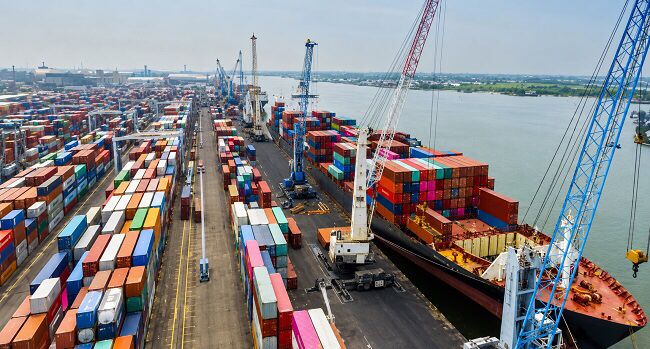
World Bank Ranks Apapa, Tin Can Among Top 20 Most Improved Ports Globally Nigeria’s major seaports Apapa Port and Tin Can Island Port in Lagos have been ranked among the world’s top 20 most improved container ports, according to the latest World Bank Container Port Performance Index CPPI, marking a significant milestone in the country’s maritime sector. The performance places Nigeria among a select group of countries that have made substantial progress in enhancing vessel turnaround times, port efficiency, and cargo handling operations over the past five years. The World Bank report highlights improvements in key performance indicators such as
- Reduced vessel waiting and turnaround times
- Faster cargo discharge and clearance processes
- Improved coordination in terminal operations
- Enhanced digital and logistics systems supporting port activity
These gains reflect ongoing reforms and investments aimed at modernising Nigeria’s maritime infrastructure and addressing longstanding congestion challenges at Lagos ports. For years, Apapa and Tin Can Island ports were associated with severe congestion, delays, and high logistics costs, which affected trade efficiency and increased business expenses. Studies have previously estimated that inefficiencies at Nigerian ports cost the economy billions of dollars annually due to delays in cargo processing and vessel turnaround. However, recent reforms including digital cargo tracking systems, traffic management initiatives, and private-sector participation—have contributed to gradual improvements in operational efficiency.The Container Port Performance Index is a global benchmark developed by the World Bank to assess port efficiency based primarily on vessel time in port and related operational metrics. The latest ranking places Apapa and Tin Can among ports that have recorded the most significant improvements globally over a five-year period, signalling progress in Nigeria’s competitiveness in international trade logistics.
Analysts say improved port performance could have wide-ranging economic benefits, including
- Lower shipping and logistics costs
- Faster import and export processing
- Increased investor confidence in Nigeria’s trade environment
- Stronger participation in regional and global supply chains
Improved efficiency at Lagos ports is also expected to support Nigeria’s position within the African Continental Free Trade Area AfCFTA, where logistics performance plays a critical role in trade competitiveness. Despite the progress, experts caution that Nigerian ports still face structural challenges such as
- Persistent traffic congestion around port access roads
- Administrative delays in cargo clearance
- Infrastructure limitations and equipment shortages
Sustained investment and reforms will be required to maintain and build on the recent improvements. The World Bank’s recognition of Apapa and Tin Can Island ports as among the world’s most improved marks a turning point for Nigeria’s maritime sector, reflecting years of gradual reform and operational upgrades. While challenges remain, the ranking signals a positive shift toward greater efficiency and competitiveness in one of Africa’s most important trade hubs.