Onoh Rebuts Gowon Over Aburi Accord, Defends Ojukwu’s Role In Civil War History
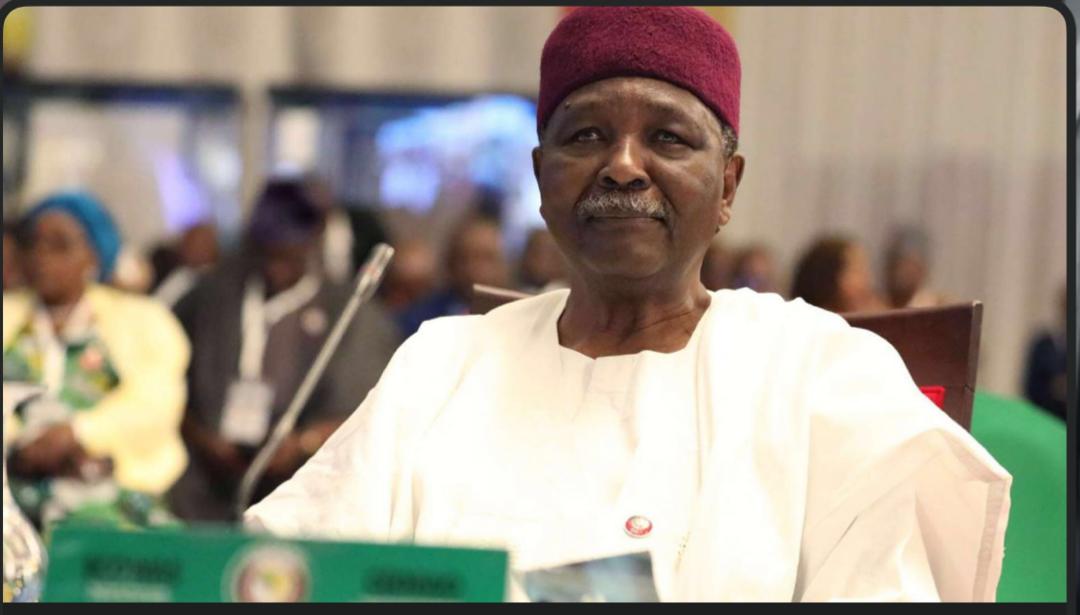
Onoh Rebuts Gowon Over Aburi Accord, Defends Ojukwu’s Role in Civil War History Former Southeast spokesman to President Bola Tinubu, Josef Onoh, has issued a strong rebuttal to recent claims made by former Head of State Yakubu Gowon regarding the collapse of the 1967 Aburi Accord and the events that led to the Nigerian Civil War. Onoh argued that the failure of the historic peace agreement was caused primarily by federal backtracking rather than the alleged intransigence of late Biafran leader Chukwuemeka Odumegwu Ojukwu. In a detailed statement, Onoh disputed Gowon’s recent comments suggesting that Ojukwu’s insistence on regional military control caused the breakdown of the Aburi Accord. According to Onoh, such claims unfairly portray Gowon as a conciliatory leader while depicting Ojukwu as the principal obstacle to peace efforts before the civil war.
- Ojukwu attended the Aburi meeting in good faith
- The agreements reached in Ghana were clear and documented
- The Federal Government later diluted or abandoned key provisions of the accord upon returning to Lagos The Aburi Accord, held in Ghana in January 1967, was intended to prevent the escalating political crisis that followed the 1966 coups and ethnic violence in Nigeria.
- Greater regional autonomy
- Decentralised military command arrangements
- Consensus-based decision-making within the Supreme Military Council
- Commitments to avoid the use of force
He argued that tensions escalated after the Federal Government introduced Decree No. 8, which Eastern leaders viewed as a dilution of the original understanding reached at Aburi.Yakubu Gowon had earlier stated that the accord failed because Ojukwu wanted regional governors to control military forces within their territories, a proposal the Federal Government considered unacceptable. Gowon also argued that the federal delegation never intended the Aburi meeting to become a platform for constitutional restructuring or confederation.
The renewed exchange has revived long-standing debates over
- Responsibility for the collapse of the Aburi Accord
- Causes of the Nigerian Civil War
- Federalism and regional autonomy in Nigeria
- Historical interpretation of Ojukwu’s role
Groups including Ohanaeze Ndigbo and diaspora organisations have also rejected Gowon’s interpretation of events, accusing him of attempting to revise history.
- Documentary records
- Tape recordings of the Aburi proceedings
- Contemporary broadcasts
- Balanced historical scholarship
rather than one-sided memoirs or retrospective political narratives.
He warned that reopening old wounds through disputed historical interpretations could undermine national healing more than five decades after the civil war ended.The collapse of the Aburi Accord is widely regarded by historians as one of the major turning points that led to the Nigerian Civil War between 1967 and 1970.The conflict resulted in massive humanitarian suffering, widespread famine, and the deaths of more than a million people, leaving political and ethnic divisions that continue to shape Nigerian discourse today.