World Cup Tourism Boom Fears Grow As Hotel Bookings Fall Short In Host Cities
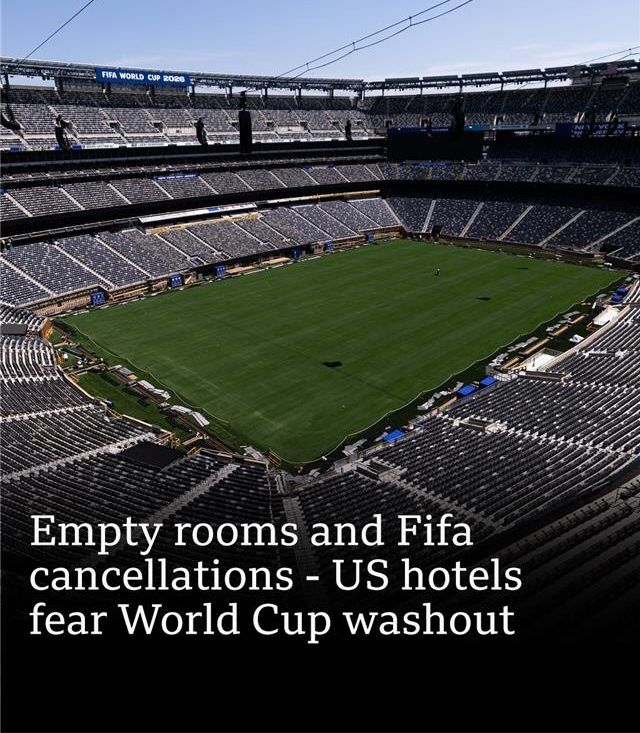
World Cup Tourism Boom Fears Grow As Hotel Bookings Fall Short In Host Cities The upcoming FIFA World Cup is facing growing uncertainty over its expected tourism surge, as hotel bookings across nearly all host cities are reportedly falling well below projections. The tournament was widely expected to deliver a major economic boost through increased travel demand, hotel occupancy, and hospitality spending. However, current booking trends suggest that the anticipated tourism boom may not materialise as planned. Organisers and industry analysts say accommodation demand in several host cities remains weaker than expected at this stage of preparations, raising concerns among hotels, tourism operators, and local businesses that had banked on high visitor inflows during the competition. The situation has prompted questions about pricing strategies, travel affordability, and whether fans are delaying bookings closer to match dates or reconsidering travel plans altogether. The FIFA World Cup, one of the world’s largest sporting events, is typically associated with significant global travel activity, with millions of fans expected to move between host cities during the tournament hosted by the FIFA World Cup. However, reports suggest that current hotel occupancy levels are not aligning with earlier forecasts, despite extensive preparations by host nations and tourism stakeholders. Analysts warn that if the trend continues, the economic benefits traditionally associated with the tournament could be weaker than expected, particularly for the hospitality and travel sectors. Experts point to several possible reasons for the slower-than-expected demand
- High accommodation prices in key host cities
- Economic pressure on international travellers
- Late booking behaviour by football fans
- Uncertainty around travel logistics and scheduling
- Increased competition from alternative lodging platforms
Some tourism officials believe demand may still rise closer to the event, as last-minute bookings are common during major global sporting tournaments. Host cities typically invest heavily in infrastructure, security, and tourism promotion ahead of the World Cup, expecting strong returns through visitor spending.
Lower-than-expected hotel occupancy raises concerns about
- Reduced tourism revenue
- Underutilised hospitality capacity
- Slower return on infrastructure investments
- Potential reputational impact for future events
Despite the current concerns, officials remain hopeful that demand will improve as the tournament approaches.
- Hotel bookings below expectations in most host cities
- Concerns over expected World Cup tourism boom
- High costs and economic pressures cited as possible reasons
- Last-minute booking trends may influence final demand
- Host cities watching tourism recovery closely
- Economic impact of tournament under review