Taiwan Says It Will Not Provoke Conflict But Will Not Surrender Sovereignty After Trump-Xi Talks
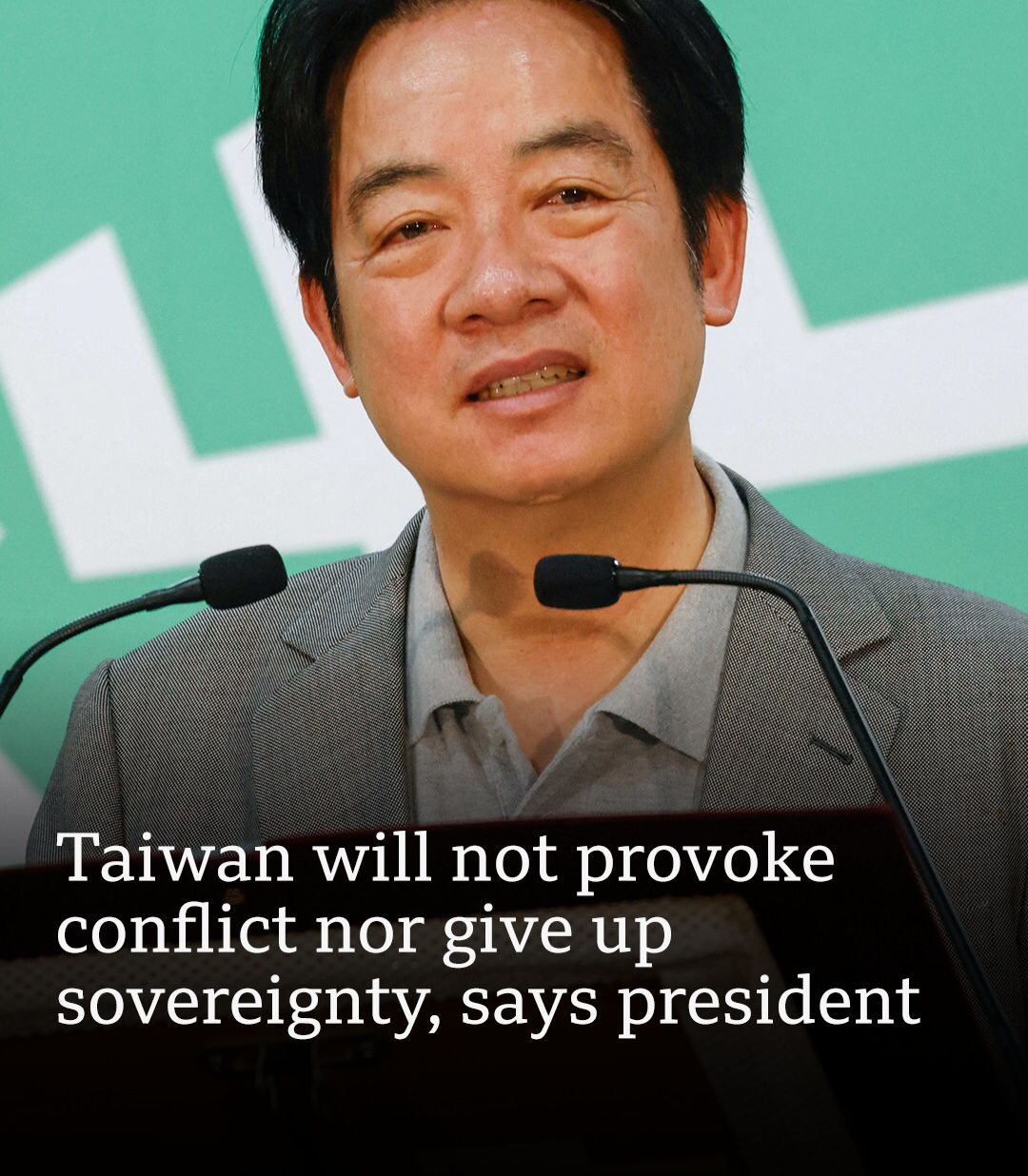
Taiwan says it will not provoke conflict but will not surrender sovereignty after Trump-Xi talks Taiwan has said it will not provoke conflict with China but also will not give up its sovereignty, after comments made following talks between U.S. President Donald Trump and Chinese President Xi Jinping renewed concern in Taipei over the island’s future. Taiwanese President Lai Ching-te said the self-ruled island was already “a sovereign and independent nation” and stressed that Taiwan’s future must be decided by its own people. He also said Taiwan would maintain the status quo in the Taiwan Strait while strengthening its defenses and international partnerships.The remarks came after Trump met Xi in Beijing, where Taiwan emerged as a major topic of discussion. During the summit, Xi reportedly warned that mishandling the Taiwan issue could lead to “conflicts” between China and the United States. Speaking afterward, Trump said he did not support Taiwan formally declaring independence and urged all sides to avoid escalation. He said he wanted China and Taiwan to “cool down” and suggested he was uncertain about approving a new arms package for Taipei. China considers Taiwan part of its territory and has repeatedly vowed to reunify with the island, by force if necessary. Taiwan, officially known as the Republic of China, operates as a self-governing democracy with its own government, military, and constitution. Beijing rejects any moves toward formal Taiwanese independence.Taiwan’s government responded by reaffirming that it would neither bow to pressure nor seek confrontation. Lai said Taiwan would continue defending its democratic system and sovereignty while avoiding provocations that could destabilize the region.Taiwan’s foreign ministry also insisted that U.S. policy toward the island had not fundamentally changed despite Trump’s comments, noting that Washington continues to support Taiwan under the Taiwan Relations Act. The developments have fueled debate over the future of U.S. Taiwan relations and whether Trump’s approach signals a softer stance toward Beijing compared with previous administrations. Analysts say Taiwan is watching closely for signs that it could become a bargaining chip in broader U.S.-China negotiations.