Mosquitoes The World’s Deadliest Animal Killing Over 700,000 People Annually, Experts Warn Of Climate-Driven Expansion
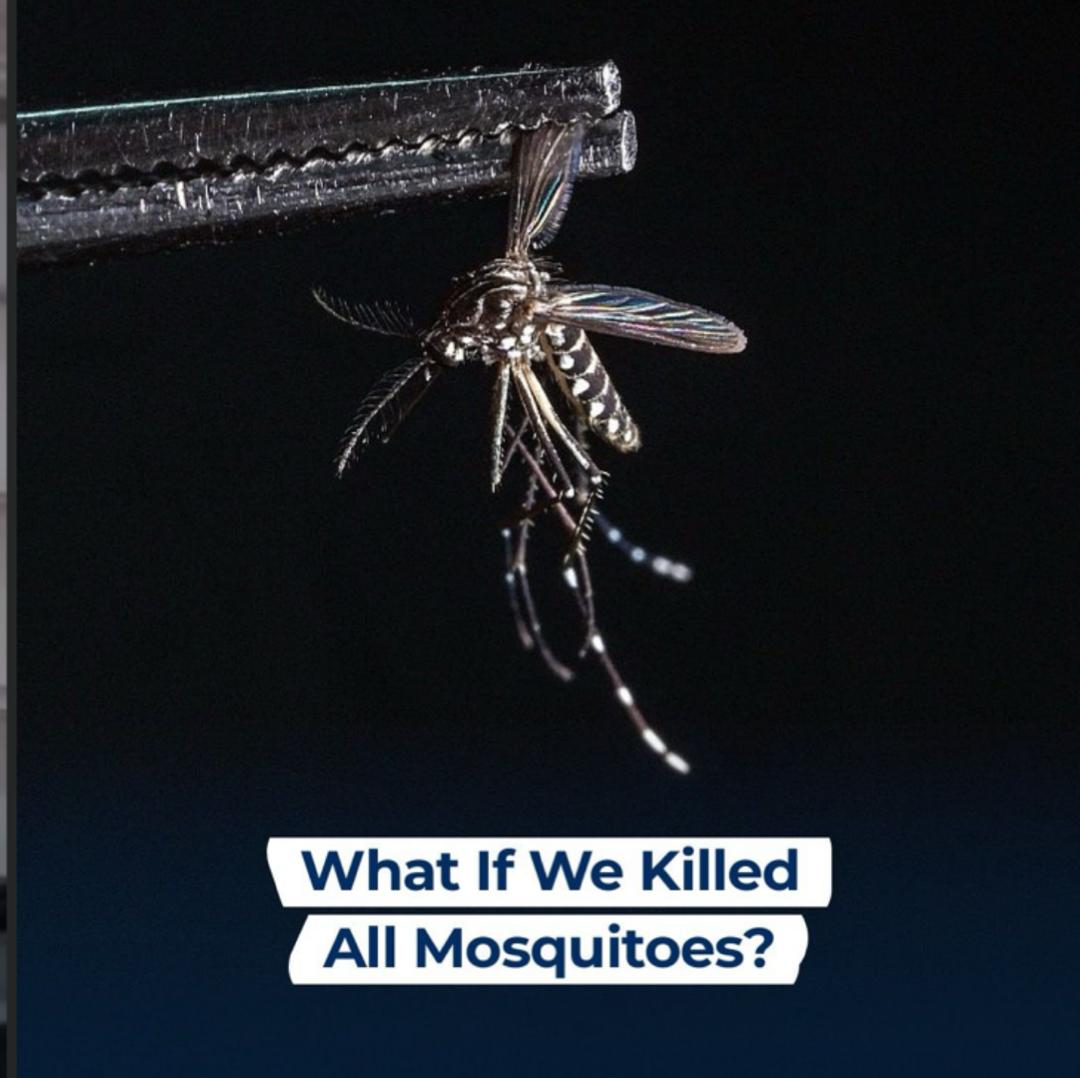
Mosquitoes The World’s Deadliest Animal Killing Over 700,000 People Annually, Experts Warn of Climate-Driven Expansion Scientists and public health experts are warning that mosquitoes remain the deadliest animals on Earth, responsible for an estimated 760,000 human deaths annually, far surpassing fatalities caused by lions, snakes, or spiders. The warning comes amid growing concern over rising mosquito-borne diseases and the expanding range of mosquitoes driven by climate change, according to a report highlighting global health risks and control challenges. Despite their size, mosquitoes are responsible for spreading some of the world’s most dangerous infectious diseases, including:
- Malaria
- Dengue fever
- Yellow fever
- Zika virus
- Chikungunya
Health data shows that mosquitoes account for about 17% of all infectious disease transmission globally, making them one of the most significant public health threats in human history. Experts say malaria alone continues to cause hundreds of thousands of deaths annually, particularly in sub-Saharan Africa, while dengue and other viral infections are rising rapidly in tropical and urban regions.
Scientists warn that rising global temperatures and changing rainfall patterns are allowing mosquitoes to expand into new territories.
Warmer climates accelerate mosquito breeding cycles and increase survival rates, enabling them to thrive in regions that were previously too cool for sustained populations.
- Longer mosquito seasons
- Increased outbreak frequency
- Expansion into urban and highland areas
- Greater risk of global epidemics
In some regions, flooding and drought cycles also create ideal breeding environments through stagnant water accumulation and household water storage practice. The report raises a controversial question: Should humanity attempt to eliminate mosquitoes entirely Scientists note that while only around 100 of the 3,500 mosquito species bite humans, just a handful are responsible for most disease transmission. Some researchers argue that eliminating the most dangerous species could save hundreds of thousands of lives annually. However, others warn that complete eradication could disrupt ecosystems in unpredictable ways.
- Food for fish, birds, bats, and insects
- Pollinators for certain plants
- Part of delicate ecological food chains
Environmental experts caution that removing them entirely could have unintended consequences for biodiversity and ecosystem balance.
- Genetic modification of mosquitoes
- Sterile insect techniques
- Wolbachia bacteria infection
- Targeted insecticide deployment
- Improved environmental sanitation
Public health scientists emphasize that while total eradication is unlikely, targeted elimination of disease-carrying species remains a realistic goal. While often dismissed as a nuisance, mosquitoes are now recognised as humanity’s deadliest animal adversary. As climate change expands their reach, scientists warn that without sustained intervention, mosquito-borne diseases could become an even greater global health crisis in the coming decades.