ASSISTED DYING BILL IN ENGLAND AND WALES SET TO COLLAPSE AS TIME RUNS OUT
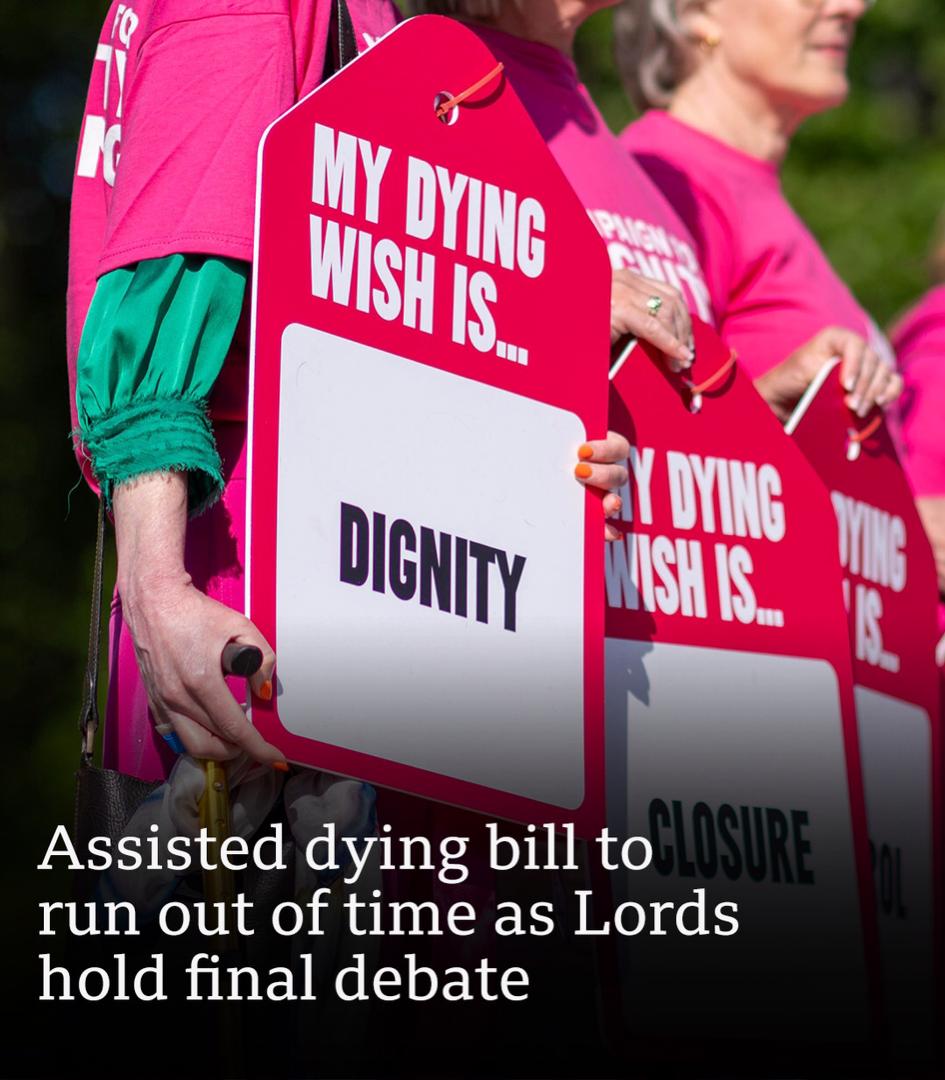
ASSISTED DYING BILL IN ENGLAND AND WALES SET TO COLLAPSE AS TIME RUNS OUT A proposed law seeking to legalise assisted dying in England and Wales is expected to fail after running out of parliamentary time on Friday, nearly 17 months after Members of Parliament first voted in favour of advancing the legislation.
The bill, which aimed to allow terminally ill adults the legal right to end their lives with medical assistance under strict safeguards, had generated intense political, ethical, and public debate across the United Kingdom Lawmakers initially backed the assisted dying proposal following a highly emotional parliamentary debate, marking one of the most significant steps toward changing end-of-life laws in England and Wales in decades. Supporters argued the legislation would give terminally ill patients dignity, autonomy, and relief from unbearable suffering, while opponents warned it could expose vulnerable individuals to pressure and fundamentally alter medical ethics. Despite early momentum, the bill struggled to complete the lengthy legislative process required for it to become law. Under UK parliamentary procedures, proposed laws must pass all legislative stages within a set parliamentary session. With limited debating time remaining and competing legislative priorities, the assisted dying bill has failed to progress through the final stages before the deadline. Similar assisted dying proposals in the UK have previously stalled in comparable circumstances, including earlier bills that also expired before receiving full approval. Campaigners backing the proposal say the delay highlights how difficult it remains to reform assisted dying laws despite growing public discussion on end-of-life choices. Currently, assisted suicide remains illegal in England and Wales. Anyone found guilty of helping another person end their life can face criminal prosecution under existing law. Advocacy organisations have long pushed for change, arguing that medical and social attitudes toward terminal illness have evolved, while critics maintain that safeguards may not adequately protect vulnerable patients.
The failure of the bill to progress is expected to reignite debate among MPs, medical professionals, religious groups, and patient rights organisations. Supporters insist the issue will return to Parliament in future sessions, saying the discussion around assisted dying is far from over. Opponents, meanwhile, view the delay as evidence that lawmakers remain deeply divided over one of the most sensitive moral questions facing modern healthcare policy.
With the proposal effectively set to lapse, campaigners may need to introduce a fresh bill in a future parliamentary session if they want the issue reconsidered. For now, assisted dying remains prohibited across England and Wales, leaving ongoing questions about patient choice, medical ethics, and legislative reform unresolved.