UK Inflation Rate Rises To 3.3% In March As Iran War Drives Up Fuel Prices
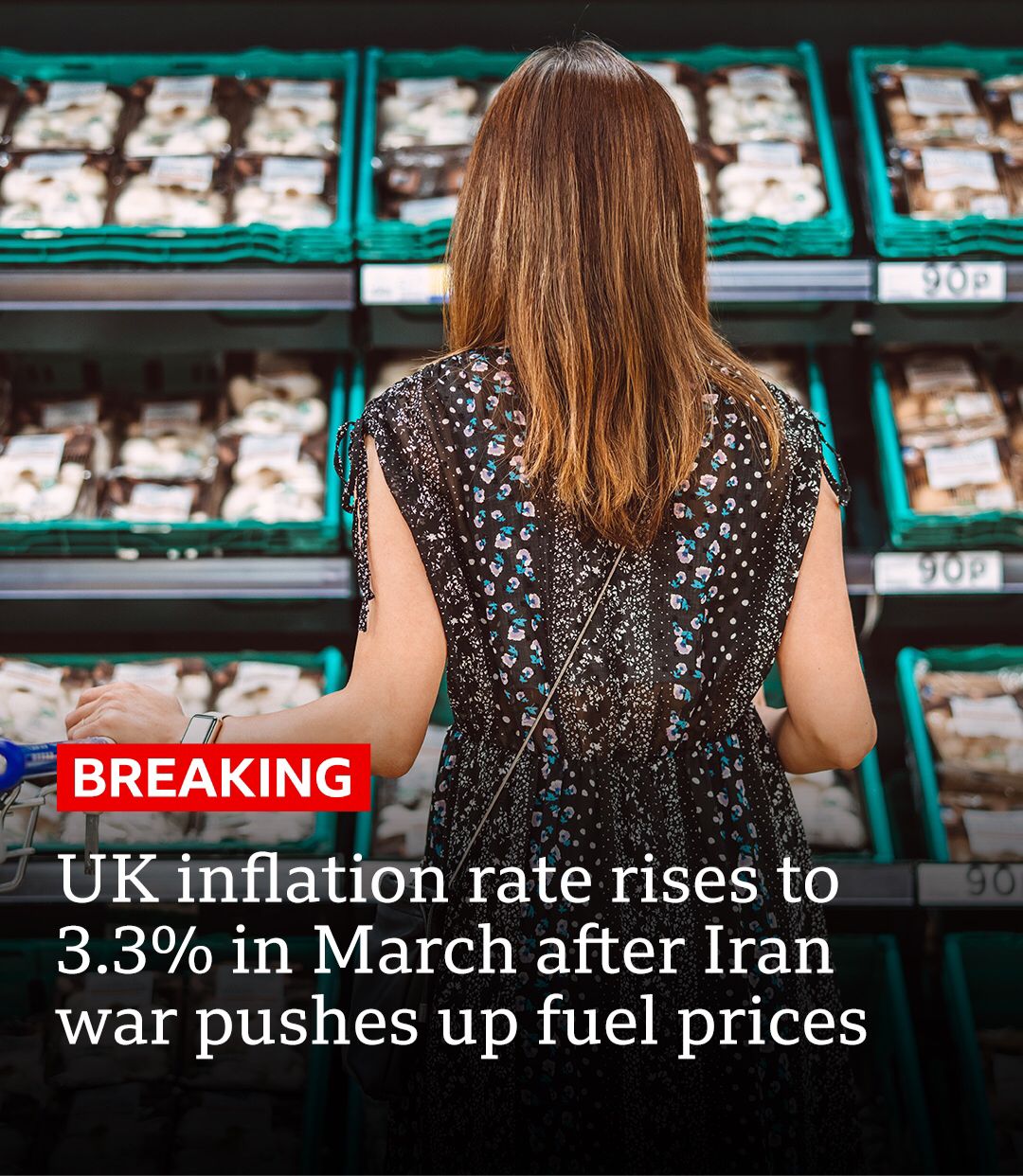
UK Inflation Rate Rises To 3.3% In March As Iran War Drives Up Fuel Prices The United Kingdom’s inflation rate rose to 3.3% in March, reversing recent declines, as rising global energy costs linked to the ongoing Iran conflict pushed fuel prices higher, official figures show.
Data released by the Office for National Statistics (ONS) indicated that consumer prices increased faster than economists expected, largely driven by higher petrol and energy costs following disruptions in global oil markets. The inflation surge comes amid economic fallout from the 2026 Iran war, which has triggered sharp volatility in global energy supply and sent crude oil prices climbing worldwide According to statisticians, transport costs particularly petrol and diesel — made the biggest contribution to March’s inflation increase. Energy markets reacted strongly to fears of supply disruptions in the Middle East, where a significant portion of global oil shipments pass through critical shipping routes. Global oil prices surged during the conflict, feeding directly into UK pump prices and household energy bills. Analysts say the renewed rise highlights how geopolitical tensions continue to influence domestic living costs.
Food prices remained elevated but showed slower growth compared to energy-related expenses. The renewed inflation increase poses fresh challenges for British households already coping with high mortgage payments and rising living expenses. Economists warn that sustained energy price volatility could slow consumer spending and delay economic recovery. Businesses facing higher transport and operating costs may also pass additional expenses on to consumers in the coming months. The latest figures complicate the policy outlook for the Bank of England, which has been balancing efforts to bring inflation back toward its 2% target while avoiding excessive pressure on economic growth. Financial markets are now reassessing expectations for interest-rate cuts, with some analysts predicting policymakers may maintain higher borrowing costs for longer if inflation remains stubborn Energy analysts note that the Iran conflict has had widespread economic consequences, including spikes in oil and gas prices and disruptions to global trade flows. Because energy costs influence transportation, manufacturing, and food distribution, inflationary pressures have spread across many economies. Experts say future inflation trends will largely depend on energy price movements and whether geopolitical tensions ease in the Middle East. A sustained decline in oil prices could help stabilise inflation later in the year, while continued conflict risks prolonging cost-of-living pressures