IRAN, US AGREE TO CONDITIONAL TWO-WEEK CEASEFIRE AS STRAIT OF HORMUZ REOPENS TO SHIPPING
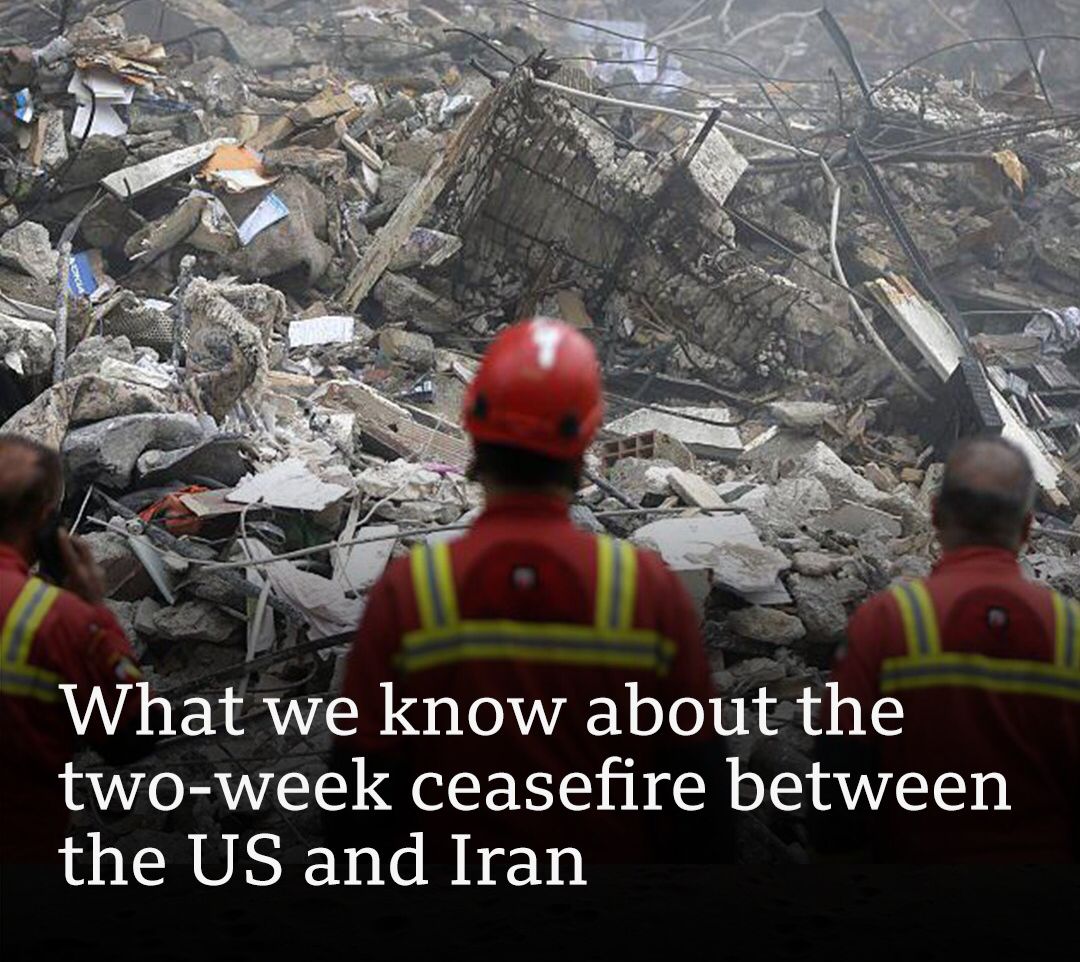
IRAN, US AGREE TO CONDITIONAL TWO-WEEK CEASEFIRE AS STRAIT OF HORMUZ REOPENS TO SHIPPING A conditional two week ceasefire has been agreed between Iran and the United States, allowing international shipping traffic to resume through the strategically vital Strait of Hormuz, following weeks of escalating military confrontation. The temporary truce comes amid intense diplomatic pressure and rising global concerns over energy supplies and regional stability. US President Donald Trump announced the agreement after issuing a deadline demanding Iran reopen the waterway or face further military action.
- Iran will permit safe passage of commercial vessels through the Strait of Hormuz for two weeks.
- The United States will suspend ongoing military strikes against Iranian targets during the same period.
- Tehran says it will halt defensive operations provided attacks against Iran stop.
Iranian Foreign Minister Abbas Araghchi confirmed that the arrangement was approved by Iran’s Supreme National Security Council, describing the agreement as conditional on continued restraint from Washington. The Strait of Hormuz is one of the world’s most critical maritime choke points, carrying a significant portion of global oil exports. Shipping traffic had collapsed during the conflict after Iran restricted passage, triggering sharp increases in insurance costs and fears of a worldwide energy crisis.
Analysts say reopening the route immediately eased pressure on oil markets, with prices falling after news of the ceasefire emerged.
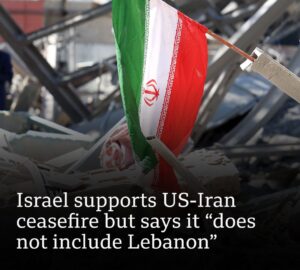
Pakistan played a key mediating role in negotiations, with talks expected to continue in Islamabad aimed at securing a longer term settlement. While Israel indicated support for suspending strikes linked to the truce, disagreements remain over whether related conflicts in neighbouring regions are included in the arrangement. The ceasefire follows months of escalating violence tied to the 2026 Iran war, during which Iran effectively blocked the Strait of Hormuz in retaliation for US-Israeli military strikes. The blockade severely disrupted global energy flows and was described as one of the largest supply shocks in modern oil market history. The two week window is widely viewed as a fragile diplomatic opening rather than a permanent peace deal. Western leaders have urged both sides to use the pause in fighting to negotiate a broader agreement preventing renewed conflict in the Gulf region.
If successful, the truce could stabilise global energy markets and reduce the risk of further military escalation in one of the world’s most volatile strategic corridors.