Warm Weather Turns Bird Feeders Into Disease Hotspots UK Charity Issues Warning
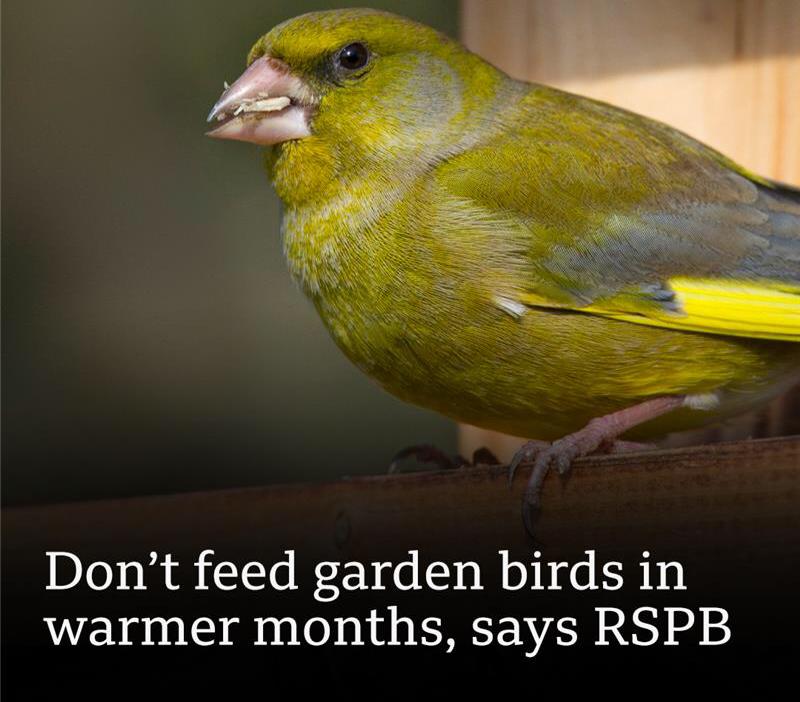
Warm Weather Turns Bird Feeders Into Disease Hotspots UK Charity Issues Warning The UK’s largest bird conservation charity has warned that feeding garden birds during warmer months could unintentionally harm wildlife, as busy feeders become breeding grounds for dangerous diseases. The Royal Society for the Protection of Birds (RSPB) cautioned that higher temperatures allow harmful parasites and bacteria to survive longer on bird feeders, increasing the risk of infections spreading rapidly among bird populations. According to experts, warm weather encourages birds to gather more frequently at feeding stations, where contaminated food, saliva, and droppings can easily transmit illness. One of the major concerns is trichomonosis, a deadly disease affecting species such as greenfinches, which has contributed to a dramatic population decline over recent decades. The infection spreads quickly when multiple birds share the same feeding surface. Data gathered from nationwide bird monitoring programmes show worrying trends, with greenfinch numbers falling significantly since the late 1970s. Conservationists say feeder-related disease transmission is a major factor behind the decline. The charity is now encouraging the public to rethink traditional feeding habits during warmer months. Key recommendations include
- Reduce or stop feeding birds between May and October
- Avoid flat-surface feeders where food can become damp
- Clean feeders and bird baths regularly
- Provide fresh water instead of food during hot periods
Experts stress that birds naturally find enough insects, seeds, and berries in summer, meaning extra feeding is often unnecessary.
Conservationists emphasise that the goal is not to stop helping wildlife but to support birds safely. Providing clean water sources, planting wildlife-friendly gardens, and maintaining feeder hygiene can significantly reduce disease risks.
The warning serves as a reminder that even well-intentioned actions can have unintended environmental consequences especially as climate conditions continue to change.