Dispute Grows Over Maduro Couple’s Legal Defence Funding In US Court
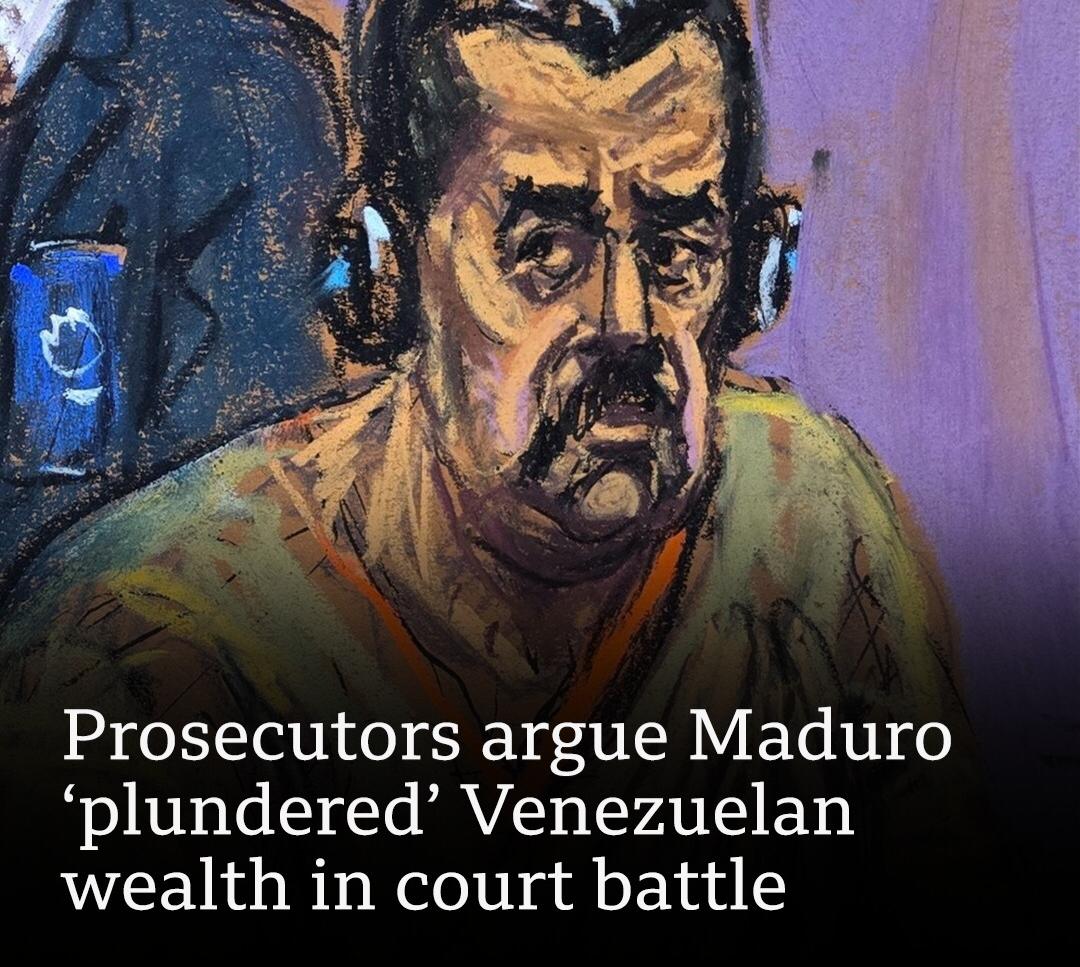
Dispute grows over Maduro couple’s legal defence funding in US court A key issue has emerged in the high-profile US prosecution of former Venezuelan leader Nicolás Maduro and his wife Cilia Flores, as prosecutors argue the couple should not be allowed to use Venezuelan government funds to pay for their legal defence. The couple appeared in a New York federal court for the second time since their capture by US forces in January 2026, where both have pleaded not guilty to charges including The hearing focused largely on whether they should be permitted to access state funds from Venezuela to finance their defence. US prosecutors strongly opposed the request, arguing that:
The United States does not recognise Maduro as Venezuela’s legitimate president They further maintained that the couple could rely on personal funds or court-appointed lawyers, and that national security concerns justify maintaining the restrictions. Violates his right to choose his own legal representation Prevents him from mounting an adequate defence in a complex international case Is unfair because, under Venezuelan law, the state typically covers such legal costs His lawyer warned that without funding, continuing representation may become difficult. US District Judge Alvin Hellerstein questioned the government’s stance, suggesting the justification for blocking funds may be unclear, especially given shifting US policy towards Venezuela.
However, he has not yet issued a final ruling on whether the couple will be allowed access to the funds. Maduro and Flores were captured in Caracas by US forces and brought to New York to face trial, in a move that has sparked international controversy. They remain in custody in Brooklyn, while the case continues to draw political and legal debate both in the US and Venezuela.
The dispute raises broader legal and political questions, including
Whether a former head of state can access national resources for personal legal defence The impact of economic sanctions on fair trial rights The intersection of international law, sovereignty, and criminal prosecution The outcome could set a precedent for how similar cases involving foreign leaders are handled in the future.