President Trump Says Deal With Tehran “In Sight,” Flags Vance, Rubio
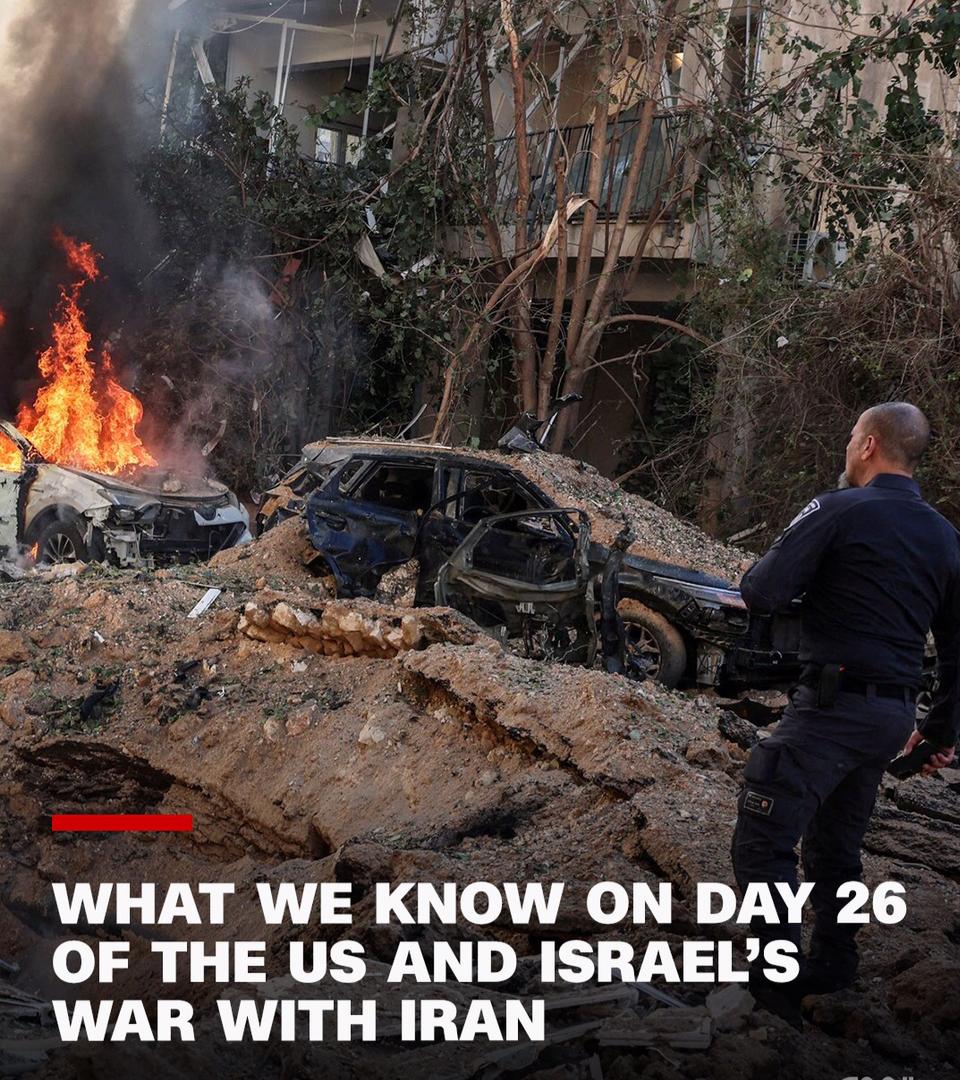
President Trump Says Deal With Tehran “In Sight,” Flags Vance, Rubio in Negotiations Day 26 As the 26th day of the heightened U.S.–Iran military conflict continues, U.S. President Donald Trump expressed optimism that a diplomatic resolution with Tehran might be attainable even as combat operations and regional tensions persist. Trump said key U.S. officials, including Vice President JD Vance, Secretary of State Marco Rubio and others, are leading talks he believes could produce a deal. Trump Signals Talks May Yield an Agreement In remarks to reporters on Tuesday, Trump characterized the relationship with Iranian officials as potentially “going toward a deal,” suggesting that negotiators are making progress despite months of negotiations and renewed hostilities. He named Vance, Rubio, envoys Jared Kushner and Steve Witkoff as part of a U.S. team engaging Tehran, without disclosing details of meeting locations or specific timelines. Trump also highlighted what he called a “major energy‑related gift” from Tehran reportedly connected to oil and gas interests and said Iran “wants a deal very badly,” though he offered few verifiable specifics. The president reiterated that the United States has “already won the war,” claiming military advantage while noting ongoing negotiations. While Trump signals optimism, Iranian officials have publicly derided U.S. claims of peace talks, with military spokespersons mocking the idea of negotiating “with yourselves” and asserting that any diplomatic efforts are futile without trust or substantive U.S. concessions. Tehran has either denied direct talks or indicated that its response to U.S. proposals is still under internal review. The U.S. has delivered a 15‑point peace framework reportedly via Pakistan covering issues like nuclear constraints, dismantling enriched uranium stockpiles, and sanctions relief. Tehran has not formally accepted this plan and has issued its own counter‑ideas, complicating prospects for consensus.
Despite diplomatic language, combat actions have not abated. Iranian Revolutionary Guard Corps units have launched strikes on Israeli cities and U.S. bases across the Gulf, while U.S. and Israeli forces have conducted operations deep inside Iran. Civilian casualties continue to mount as the conflict enters its fourth week, deepening regional instability.
The U.S. is also preparing to deploy additional airborne troops to the Middle East, signaling that military pressure remains an active component of Trump’s approach even as he speaks of potential diplomacy. Trump’s remarks place Vice President JD Vance and Secretary of State Marco Rubio at the forefront of the diplomatic effort. Vance a former military officer and known skeptic of extensive foreign military engagements has been cited by U.S. officials as part of the negotiation leadership team, although Tehran has been cautious about engaging directly with certain U.S. envoys. Rubio, as the nation’s top diplomat, has also been tapped to shape discussions, particularly around Iran’s nuclear and regional activities.
- Iran’s Formal Response Tehran has yet to publicly accept or reject the U.S. peace framework; formal feedback could shift diplomatic momentum.
- Negotiation Venues Reports suggest Pakistan or Turkey may host future indirect talks between U.S. and Iranian representatives.
- Conflict Dynamics Continued military actions and regional alliances will shape whether diplomacy can constrain the war’s expansion.