Migratory Freshwater Fish Face Growing Threat From Dams, Pollution And Overfishing
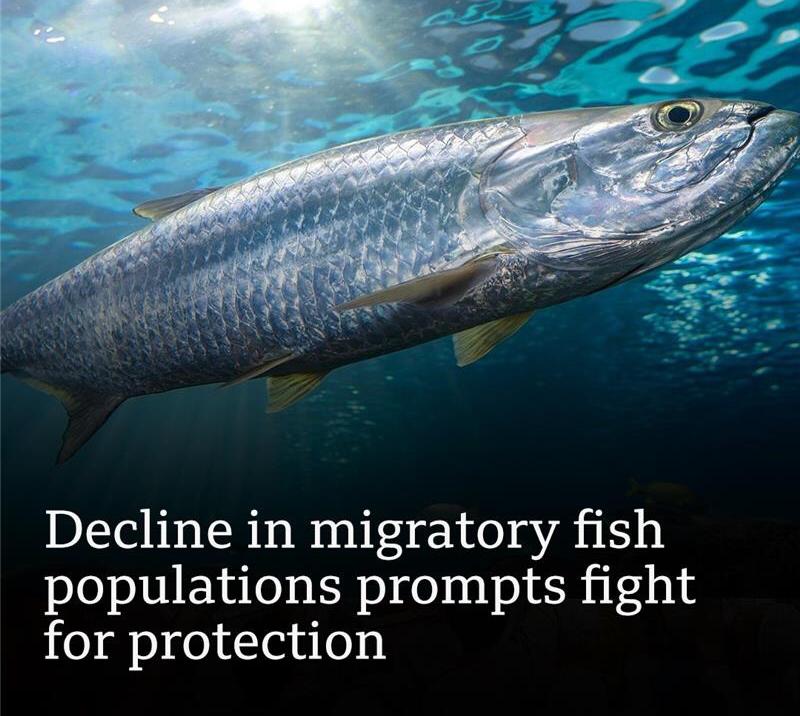
Migratory freshwater fish face growing threat from dams, pollution and overfishing Fish species that undertake vast migrations through rivers, lakes and ponds are facing a mounting threat from human activity, scientists have warned.
These migratory freshwater fish, which travel long distances to reach breeding grounds, are being increasingly blocked or harmed by dams, pollution and overfishing. A new global assessment has found that populations of migratory freshwater fish have fallen dramatically in recent decades.
Researchers say numbers have dropped by more than 70% on average since 1970, with some regions experiencing even steeper declines. The findings highlight growing concern over biodiversity loss in freshwater ecosystems. These species depend on free-flowing waterways to complete their life cycles.
- Spawn in specific breeding grounds
- Access feeding areas
- Maintain healthy populations
Barriers such as dams prevent fish from reaching these critical habitats, disrupting reproduction and survival.
A wide range of fish are impacted, including some of the world’s most iconic migratory species:
- Atlantic salmon travels from the ocean to rivers to spawn
- European eel migrates thousands of kilometres between rivers and the sea
- sturgeon among the most endangered groups globally
- Mekong giant catfish one of the largest freshwater fish on Earth Scientists say many of these species are now at risk of extinction without urgent action. Hydropower dams and other infrastructure block migration routes, preventing fish from reaching breeding grounds. Industrial waste, agricultural runoff and plastic pollution degrade water quality, making habitats unsafe.
- Unsustainable fishing practices reduce already vulnerable populations, particularly during migration periods. Together, these pressures create a “perfect storm” for decline.
- The problem affects rivers and freshwater systems worldwide, including major waterways such as the Amazon, Mekong and Danube. Experts warn that the loss of migratory fish could have wider consequences for ecosystems, food security and local communities that depend on them.
- Removing or modifying dams to allow fish passage
- Reducing pollution levels
- Strengthening fishing regulations
They say restoring river connectivity is critical to reversing the trend. Researchers stress that while the situation is serious, recovery is still possible if action is taken quickly. Efforts to protect and restore freshwater ecosystems could help ensure that these remarkable long-distance travellers continue their migrations for generations to come.