MOJTABA KHAMENEI NAMED IRAN’S SUPREME LEADER AFTER FATHER’S DEATH AMID WAR
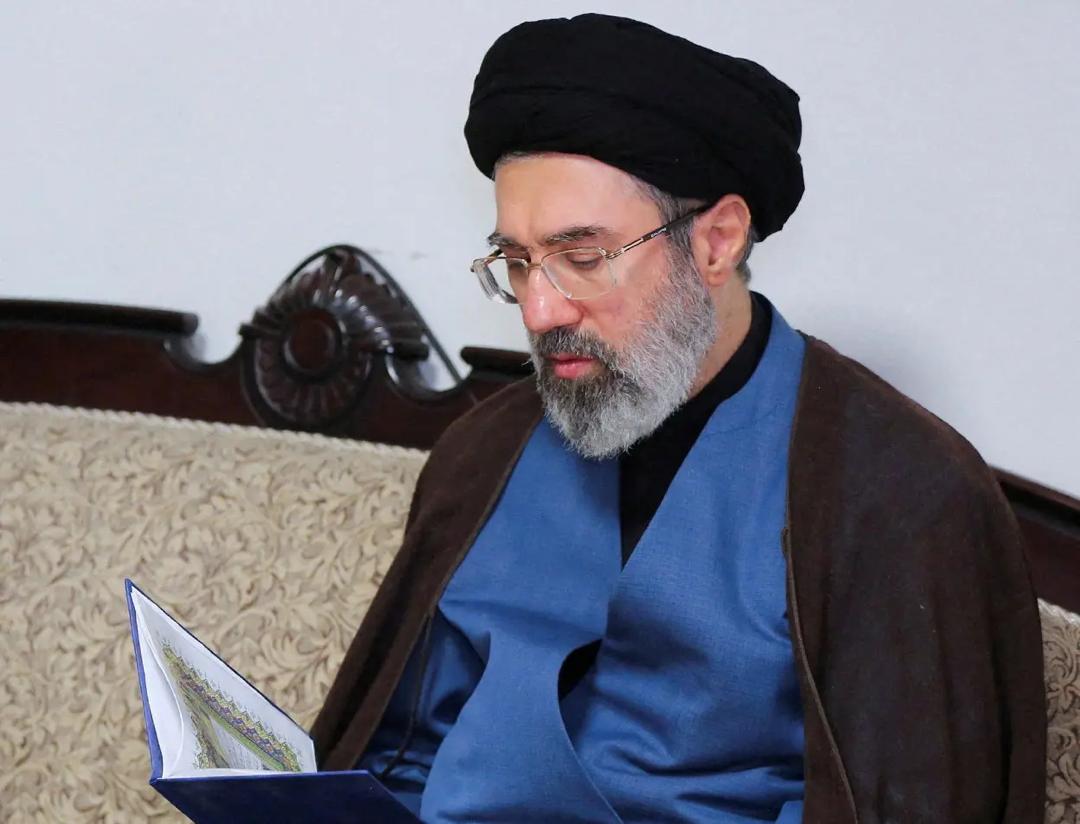
MOJTABA KHAMENEI NAMED IRAN’S SUPREME LEADER AFTER FATHER’S DEATH AMID WAR Iran has formally appointed Mojtaba Khamenei, the son of the late Ayatollah Ali Khamenei, as the country’s new Supreme Leader, marking a controversial and historic succession amidst ongoing war with the United States and Israel. The transition follows the assassination of Ayatollah Ali Khamenei on February 28, 2026, reportedly in a combined U.S. and Israeli airstrike that intensified the conflict now spreading across the Middle East. The clerical Assembly of Experts officially named Mojtaba Khamenei long considered a powerful behind‑the‑scenes figure but with no formal public office experience as Iran’s third Supreme Leader on March 8.
While some senior clerics and conservative leaders rallied behind Mojtaba’s elevation, critics argue the move blurs the lines between the Islamic Republic’s religious authority and dynastic succession, which Iran’s 1979 revolution originally sought to eliminate.Reports suggest Ayatollah Ali Khamenei himself opposed his son’s candidacy in earlier years, fearing perceptions of hereditary rule.
- United States: President Donald Trump expressed disappointment and concern over the succession, calling the appointment of Mojtaba “unacceptable” and reiterating that Iran’s leadership should not pivot to what he described as unfettered hardline rule.
- Military Escalation: Israeli forces declared they would pursue any future successor of Khamenei as a target, reflecting heightened tensions and the volatile state of the conflict.
- International Allies: Some regional governments have conveyed cautious recognition of Iran’s new leader, underscoring geopolitical complexities as the Middle East remains engulfed in active hostilities.
Within Iran, state media and public ceremonies showcased support for the new leader, invoking national unity themes. However, underground and expatriate reactions reveal deep divisions, with critics warning that the leadership change without broad legitimacy could deepen domestic discontent.
Iran’s conflict with U.S. and Israeli forces, which began at the end of February, continues to escalate with regular missile, drone, and airstrikes reported across the region. The leadership transition comes as the war enters a second full week, with mounting casualties and destabilizing economic effects, including disruptions to global oil supply routes and rising prices.
Analysts warn that Iran’s new leadership and ongoing conflict could reshape regional alliances and trigger broader geopolitical ramifications. The choice of Mojtaba Khamenei perceived by many as more hardline than his father may reinforce Iran’s resistance posture, but legitimacy questions both inside and outside the Islamic Republic could fuel continued unrest.