Nigerian DisCos Ration 2,830MW As Gas Shortages Cut Electricity Supply
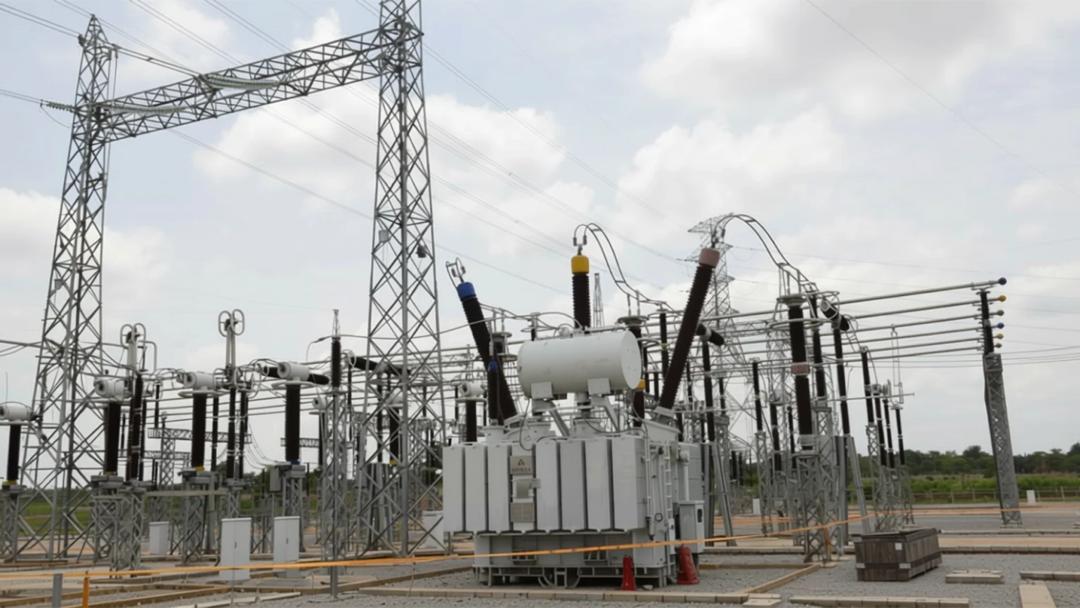
Nigerian DisCos ration 2,830MW as gas shortages cut electricity supplyElectricity distribution companies in Nigeria received only 2,830 megawatts (MW) of power yesterday as persistent gas shortages forced several power plants to limit operations, leaving many homes and industries across the country in darkness. Operational data from the national power system showed that the shortage of gas supply significantly reduced electricity generation, sharply limiting the amount of power available for distribution companies across the country. According to data from the Nigerian Independent System Operator (NISO), electricity generation on the national grid stood at about 3,940.53MW around 05:00 hours. However, several generation units were forced offline between 06:00 and 08:00 hours due to inadequate gas supply. The shutdown of these units led to an additional drop of about 292MW, worsening the already fragile power supply situation. As a result, the 11 electricity distribution companies (DisCos) received only 2,830MW for distribution nationwide, forcing widespread load shedding and outages across several states. Generation later fell even further, dropping to around 1,490MW by about 6:00 p.m., intensifying power shortages in many parts of the country.
System dispatch data showed that electricity allocations were unevenly distributed among the country’s distribution companies.
The Abuja Electricity Distribution Company (AEDC) received the largest share with 490MW, followed by Ikeja Electric with 484MW, and Eko Electricity Distribution Company with 413MW.
Other allocations included:
- 306MW to Ibadan DisCo
- 207MW to Benin DisCo
- 198MW to Enugu DisCo
- 178MW to Port Harcourt DisCo
- 173MW to Kano DisCo
- 161MW to Kaduna DisCo
- 144MW to Jos DisCo
- 76MW to Yola DisCo
Experts say the major cause of the crisis is the shortage of gas supplied to thermal power plants, which produce the majority of Nigeria’s electricity. Thermal plants require about 1,588.61 million standard cubic feet (MMSCF) of gas per day to operate efficiently, but they received only 652.92 MMSCF, representing roughly 40% of the required supply. The significant gap in fuel supply has forced many generating companies to scale down production. Nigeria has long struggled with electricity shortages despite having large natural gas reserves. National power generation rarely exceeds 5,000MW for a population of more than 200 million people, leaving businesses and households heavily dependent on alternative power sources such as generators and solar systems. Energy experts warn that unless gas supply challenges and sector financing problems are resolved, power shortages and blackouts may continue to affect economic activities across the country.