After Trump’s Jibe About Starmer, Can The Special Relationship Recover
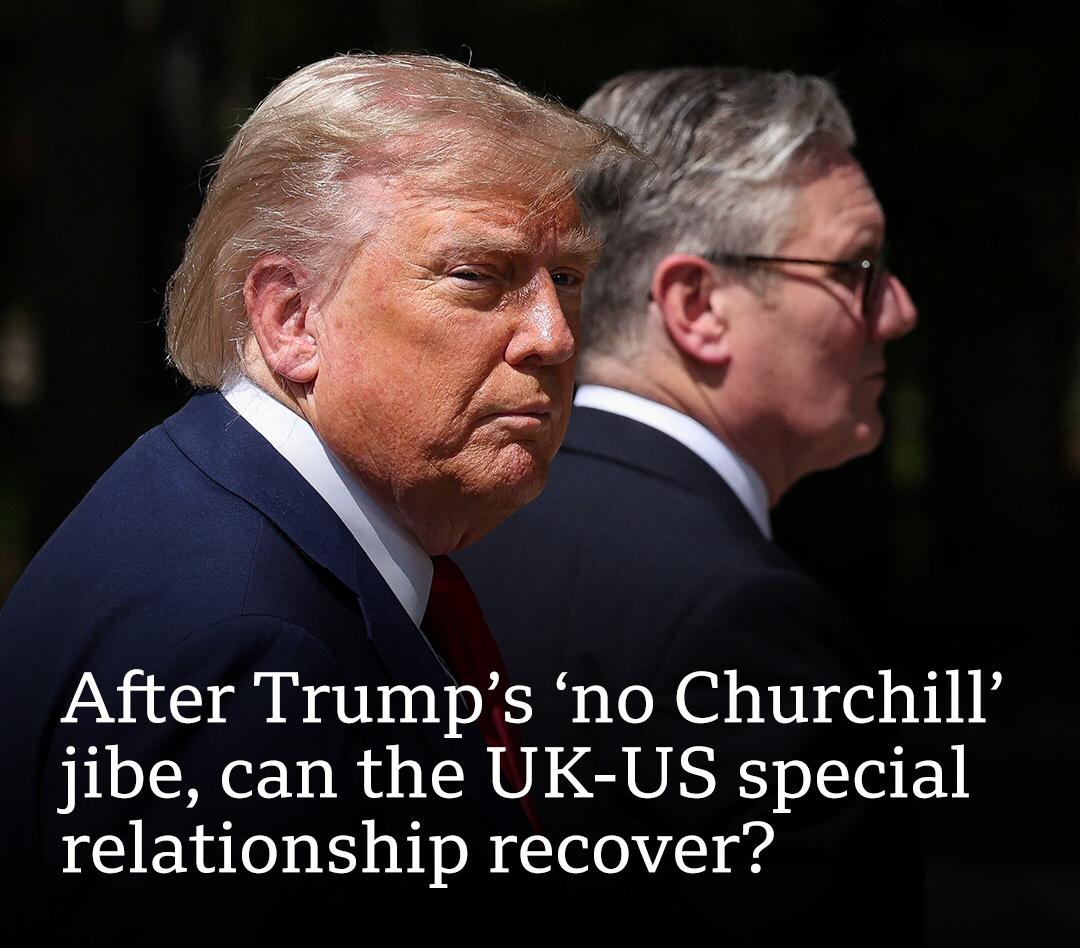
After Trump’s Jibe About Starmer, Can the Special Relationship Recover The longstanding diplomatic alliance between the United Kingdom and the United States often dubbed the “special relationship” is facing one of its most significant tests in years after U.S. President Donald Trump publicly belittled British Prime Minister Keir Starmer over his response to the ongoing Middle East conflict and the UK’s limited military support. This has prompted critical questions about whether the famed trans‑Atlantic partnership can withstand growing political tension.
The drama escalated after Mr. Trump openly criticized Sir Keir for the UK’s initial refusal to allow American forces to use British military bases for strikes on Iran, asserting that the prime minister “has not been helpful” and emphasizing that this “is not Winston Churchill that we’re dealing with.” These remarks represented an unusually blunt public rebuke from a U.S. president toward a close ally.
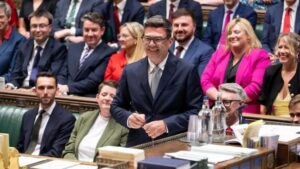
In response, Sir Keir rejected the idea that Britain’s broader relationship with the United States should be judged solely by President Trump’s comments. Addressing lawmakers, he said that American military aircraft continue to operate out of British bases, British jets are defending U.S. personnel in the region, and daily intelligence cooperation persists all of which he described as the real substance of the special relationship The spat stems from the differing approaches to the U.S.‑led strikes against Iran. Starmer argued that Britain should not join military action without a clear legal basis or a well‑thought‑through plan, recalling lessons from past conflicts such as the Iraq War a stance that has resonated with many in the UK who are wary of foreign interventions. By contrast, President Trump insisting on stronger allied support criticized Britain’s hesitation and suggested ties with European nations like France and Germany were now comparatively stronger. Reuters sources reported Trump saying it was “sad to see” the U.S.–UK relationship “not what it was,” reflecting his disappointment.
Experts and observers note that while Trump’s public jibe has added strain, the deeper structural ties including defence cooperation, intelligence sharing, and joint operations continue to bind the two nations. British government ministers have repeatedly emphasised that the relationship remains “strong” and rooted in decades of cooperation, even amid tactical disagreements over military engagement in the Middle East. Some analysts say President Trump’s frustration partly reflects expectations of “completely blind loyalty” from allies, but caution that long‑standing alliances can endure political disagreements if grounded in shared interests.
- Diplomatic Willingness: Both sides must recognise that disagreements over policy do not equate to a breakdown in the alliance, and work to reaffirm commitments at higher levels.
- Shared Strategic Interests: Continued cooperation on global security issues including the Middle East conflict and NATO commitments reinforces common ground.
- Political Leadership: How leaders navigate domestic pressures and external expectations will shape public perceptions of the alliance.
The analysis underscores that, historically, the U.K.–U.S. relationship has weathered major tests before, and while this latest dispute is unusual in its personal tone, it does not necessarily signal a permanent rupture provided both governments choose pragmatism over partisanship in their next steps.
The analysis underscores that, historically, the U.K.–U.S. relationship has weathered major tests before, and while this latest dispute is unusual in its personal tone, it does not necessarily signal a permanent rupture provided both governments choose pragmatism over partisanship in their next steps.