Conflict Enters Fifth Day After U.S. Israel Strikes On Iran
by HEDNEWS on March 4, 2026
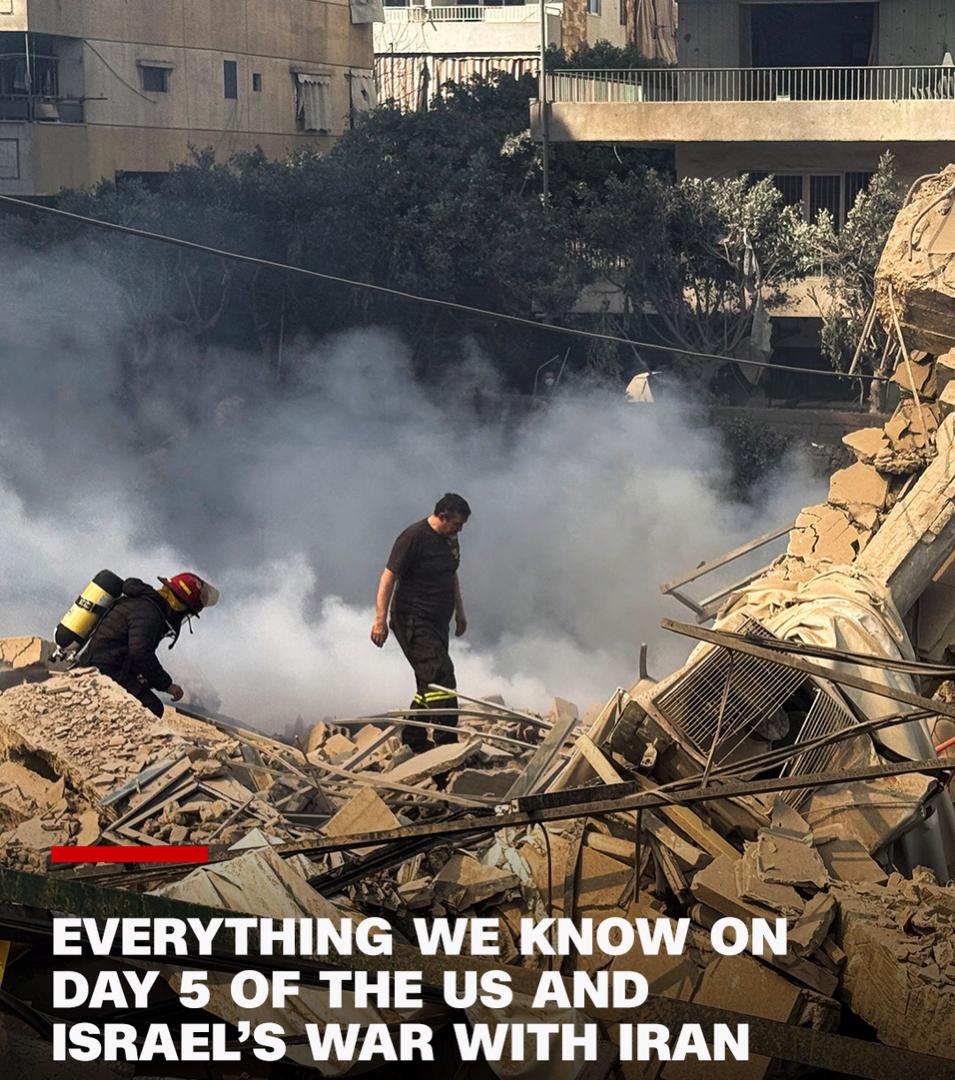
Conflict Enters Fifth Day After U.S. Israel Strikes on Iran
The Middle East conflict continued spiraling into its fifth day after coordinated military operations by Israel and the United States against Iran triggered wide-ranging retaliation and regional instability. The joint offensive, which began with strikes inside Iran, reportedly killed more than 1,000 people and marked one of the most significant escalations in the region in recent decades. Both American and Israeli leaders have made confident pronouncements about the effectiveness of their campaign declaring Iran’s military on the back foot even as Iran’s forces and allied militias keep striking back across the Middle East.
- U.S. and Israeli forces carried out additional strikes across Iran, focusing on military leadership and strategic infrastructure, according to U.S. officials.
- Nearly 2,000 targets inside Iran have now been hit in the campaign, including missile batteries, command centers, and naval assets.
- Iran’s airspace has been largely dominated by American and Israeli aircraft, with reports Israel and the U.S. now control most of it
- Iran has responded with hundreds of ballistic missiles and drone strikes targeting:
- Israel
- U.S. military bases and diplomatic compounds across the Gulf
- Arab states including Saudi Arabia, Kuwait, and the UAE some missiles and drones intercepted by air defenses.
- Iranian drone strikes caused a limited fire at the U.S. Embassy in Riyadh, leading to tightened security and closures at several U.S. diplomatic missions.
- Lebanon saw intensified fighting, with Israel targeting Hezbollah positions after the Iran conflict spread into Lebanese territory.
- Explosions were heard in Tehran and Jerusalem, reflecting the breadth of the conflict’s reach.
- Regional travel and commerce faced disruptions, with airspace closures and canceled flights triggering humanitarian and logistical chaos.
- Civilian and military casualties continue to rise, with death toll estimates in Iran exceeding 1,000, and additional casualties reported in Lebanon and other areas.
- Several U.S. service members have been killed in Iranian strikes since the conflict began.
- Families and foreign nationals remain stranded across the region due to disrupted air travel leading to international evacuation efforts.
- The conflict is plunging global markets into uncertainty, with oil and gas prices surging amid instability in the Strait of Hormuz a key global oil shipping chokepoint.
- U.S. domestic politics are affected: lawmakers in Washington remain divided over war powers and the scope of military involvement.