SINGLE NASAL SPRAY VACCINE COULD PROTECT AGAINST ALL COUGHS, COLDS, FLUS AND MORE, SAY US RESEARCHERS
by HEDNEWS on February 20, 2026
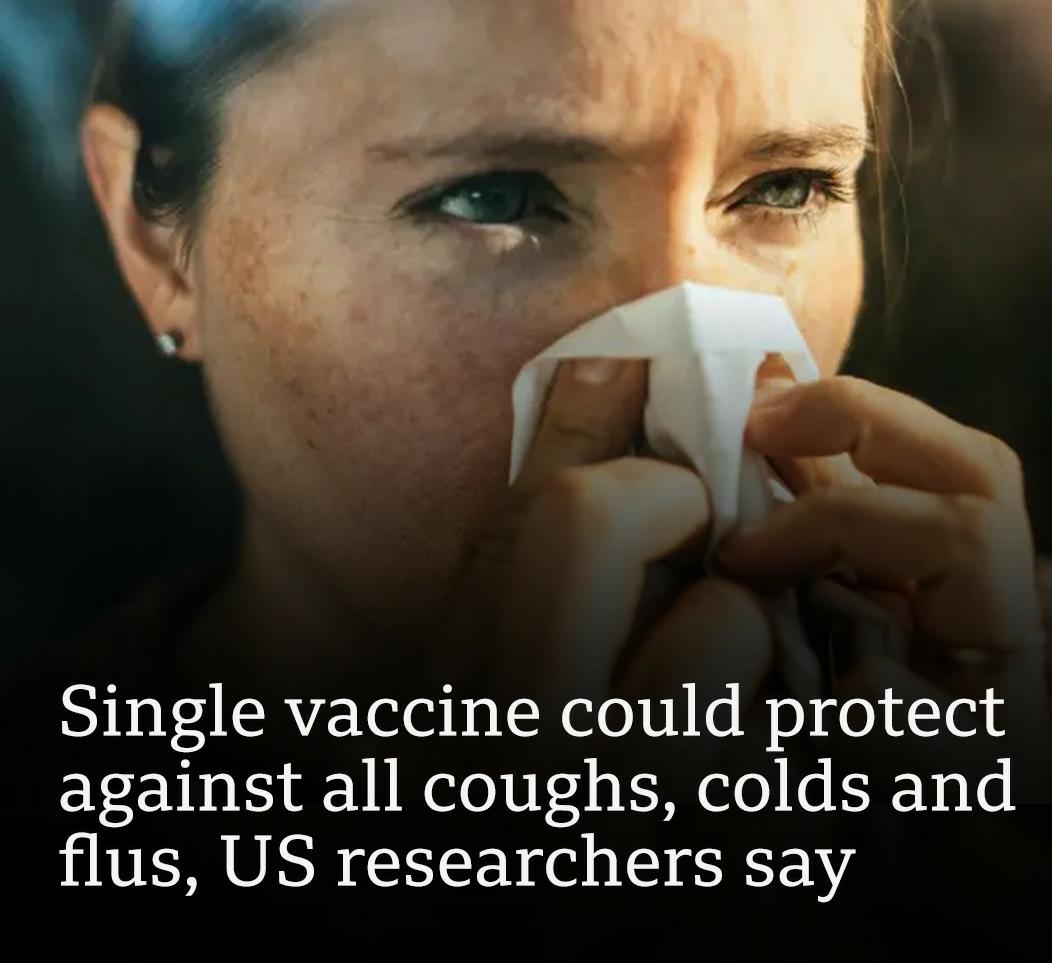
SINGLE NASAL SPRAY VACCINE COULD PROTECT AGAINST ALL COUGHS, COLDS, FLUS AND MORE, SAY US RESEARCHERS
Researchers in the United States have announced an exciting breakthrough: a single nasal spray vaccine that, in early animal testing, appears capable of protecting against a wide range of respiratory infections including common colds, influenza, bacterial lung infections and may even ease allergic reactions, according to
This experimental “universal nasal vaccine developed by a team at Stanford Medicine represents a major departure from traditional vaccines, which typically target one specific virus or bacterium. Instead, this vaccine primes the immune system broadly, arming the lungs’ frontline defences to respond to many pathogens.
- The vaccine was delivered as a nasal spray, mimicking how many respiratory infections enter the body.
- In mouse studies, it protected animals against multiple respiratory viruses including SARS‑CoV‑2 (the virus that causes COVID‑19) and other coronaviruses for several months.
- It also provided defence against bacterial lung pathogens such as Staphylococcus aureus and Acinetobacter baumannii, which can cause pneumonia and hospital‑acquired infections.
- Remarkably, the vaccine also reduced the immune system’s overreaction to allergens such as house dust mites, indicating potential to ease allergic responses like allergic asthma.
Unlike conventional vaccines that teach the body to recognise a specific virus’s proteins, this new approach boosts innate immune responses the lung’s first line of defence making it ready to fight a wide range of threats. The vaccine also involves immune signals that activate helpful T cells and maintain protection over time. If this vaccine proves safe and effective in human trials, it could revolutionise how we prevent respiratory illnesses potentially replacing multiple seasonal shots (for flu, COVID‑19, RSV) with just one nasal spray. It might also serve as a rapid response tool for future pandemics and reduce the global burden of common respiratory infections and allergies. Researchers are planning Phase I human clinical trials to assess safety and immune responses. If those are successful, larger trials to measure real‑world effectiveness could follow. Scientists estimate that, with sufficient funding, a vaccine like this might be available for widespread use in five to seven years. Health specialists describe the findings as “exciting” and potentially transformative, but caution that many challenges remain before this technology can be approved for humans especially ensuring long‑term safety and effectiveness across diverse populations.