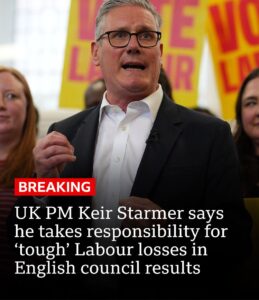
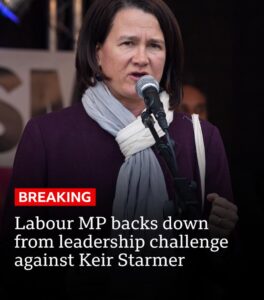
First Government Minister Resigns And Urges UK PM Keir Starmer To Set Timetable To Quit
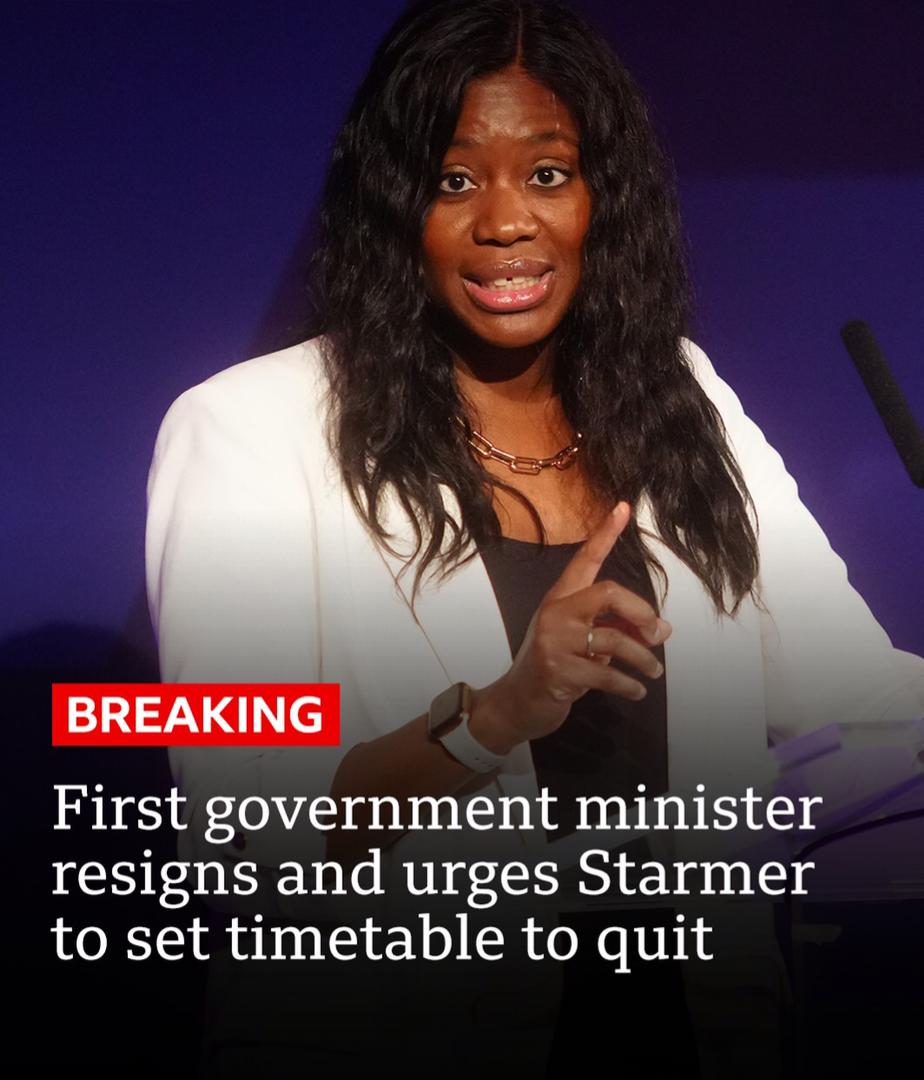
First Government Minister Resigns and Urges UK PM Keir Starmer to Set Timetable to Quit A major political crisis has deepened in the UK government after a serving minister became the first to resign from Prime Minister Keir Starmer’s administration while openly calling for him to set a timetable for his departure. The resignation marks a significant escalation in internal Labour Party tensions following heavy electoral losses and growing calls from MPs and senior figures for a leadership transition. The departing minister, Miatta Fahnbulleh, stepped down from her role as Communities Minister, making her the first government member to resign amid the crisis. In her resignation statement, she urged Starmer to act in the interest of the country and the Labour Party by establishing a clear timeline for stepping aside, arguing that an orderly transition was now necessary to restore stability within government. Her resignation has intensified scrutiny of Starmer’s leadership, coming at a moment when internal dissent is spreading across both the cabinet and the wider parliamentary party. The resignation follows a wave of political pressure triggered by disappointing local election results, which have weakened Labour’s standing and emboldened critics within the party. Reports indicate that more than 70 Labour MPs have now called for Starmer either to resign immediately or to set a formal timetable for stepping down. Several senior ministers are also said to have privately raised concerns about the government’s direction. Despite the growing rebellion, some cabinet members continue to support the Prime Minister, warning that a leadership contest could further destabilise the government at a critical time. Senior figures within government are reportedly divided over the best course of action. While some ministers are pushing for an “orderly and dignified transition,” others insist Starmer should remain in office to avoid political chaos. The Home Secretary, Foreign Secretary, and other senior cabinet members are understood to have been involved in discussions urging clarity over leadership plans. The internal divisions highlight increasing instability at the top of government, as pressure builds ahead of a crucial cabinet meeting expected to determine the next steps. The crisis has already triggered wider political consequences, including rising market uncertainty and speculation about potential leadership challengers within Labour. Analysts say the resignation of a serving minister calling for the Prime Minister’s departure is a rare and serious development in UK politics, often signalling deeper instability within a government. Opposition parties have seized on the situation, accusing Labour of internal chaos and questioning its ability to govern effectively. Prime Minister Starmer has so far resisted calls to resign, insisting he intends to continue leading the government and implement his agenda. He has argued that stepping aside would plunge the country into further political uncertainty and disrupt ongoing policy priorities. However, with internal pressure increasing and more MPs publicly breaking ranks, his political future now appears increasingly uncertain. Attention now turns to the upcoming cabinet meeting, which is expected to be a decisive moment in determining whether Starmer attempts to reassert authority or agrees to a managed transition process. For now, the resignation of a government minister has marked a turning point in what is shaping up to be one of the most serious leadership crises of his premiership.