MY 50‑YEAR AGE LIMIT PRESCRIPTION FOR AFRICAN LEADERS TAKEN OUT OF CONTEXT, SAYS JONATHAN
MY 50‑YEAR AGE LIMIT PRESCRIPTION FOR AFRICAN LEADERS TAKEN OUT OF CONTEXT, SAYS JONATHAN
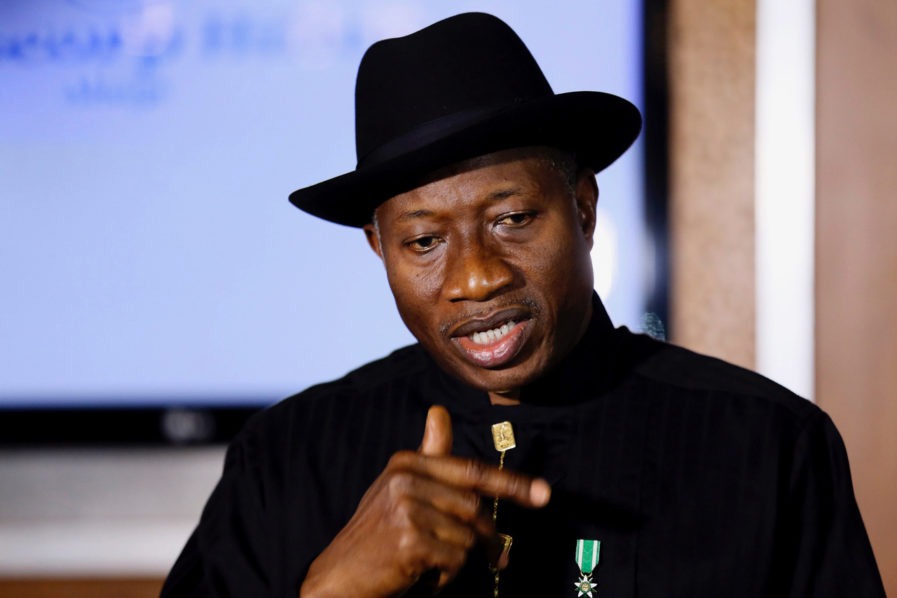
Former Nigerian President Goodluck Jonathan has responded to widespread public debate over comments he made about age and leadership on the African continent, saying suggestions that he proposed a strict 50‑year age limit for leaders were misinterpretations taken out of context. Jonathan clarified that his remarks were intended as a call for greater youth inclusion and leadership renewal, not an exclusion of older statesmen.
A statement issued by Jonathan’s Office through his Media Adviser, Ikechukwu Eze explained that social media and some news reports distorted his message, which was delivered during a commemorative event in Abuja marking the 50th anniversary of General Murtala Mohammed’s assassination.
Jonathan’s speech referenced historic African leaders who made significant impacts at relatively young ages such as General Murtala Mohammed, Olusegun Obasanjo, Yakubu Gowon and Alfred Diete‑Spiff to underline the value of youth participation in governance.
- His remarks were aimed at promoting generational inclusion, not imposing a rigid age cap on leadership.
- The former president stressed that leadership qualities competence, capacity, energy and innovation matter more than chronological age.
- He dismissed interpretations suggesting he wanted to disqualify older politicians, noting that he himself assumed Nigeria’s highest office in his fifties.
Jonathan reportedly drew on the example of Nigeria’s Not Too Young To Run movement, which advocates lower age thresholds for elective offices and encourages more participation by younger citizens linking his remarks to broader discussions about Africa’s demographic youth bulge and leadership dynamics While commentators across social and traditional media latched onto his reference to “50,” Jonathan’s team said the former president never intended to prescribe a hard age cap for leaders; rather, he was highlighting the benefits of inclusive governance that blends experience with youthful energy. Jonathan’s clarification underscores that leadership should be defined by accountability, vision and capacity to serve citizens effectively rather than arbitrary age ceilings alone. His statement reaffirmed that experienced leaders of all ages, including older statesmen, still have valuable roles to play so long as they can contribute meaningfully to governance and the welfare of their people.