Poisoning Of Lions By Herders Raises Conservation Concerns In East Africa
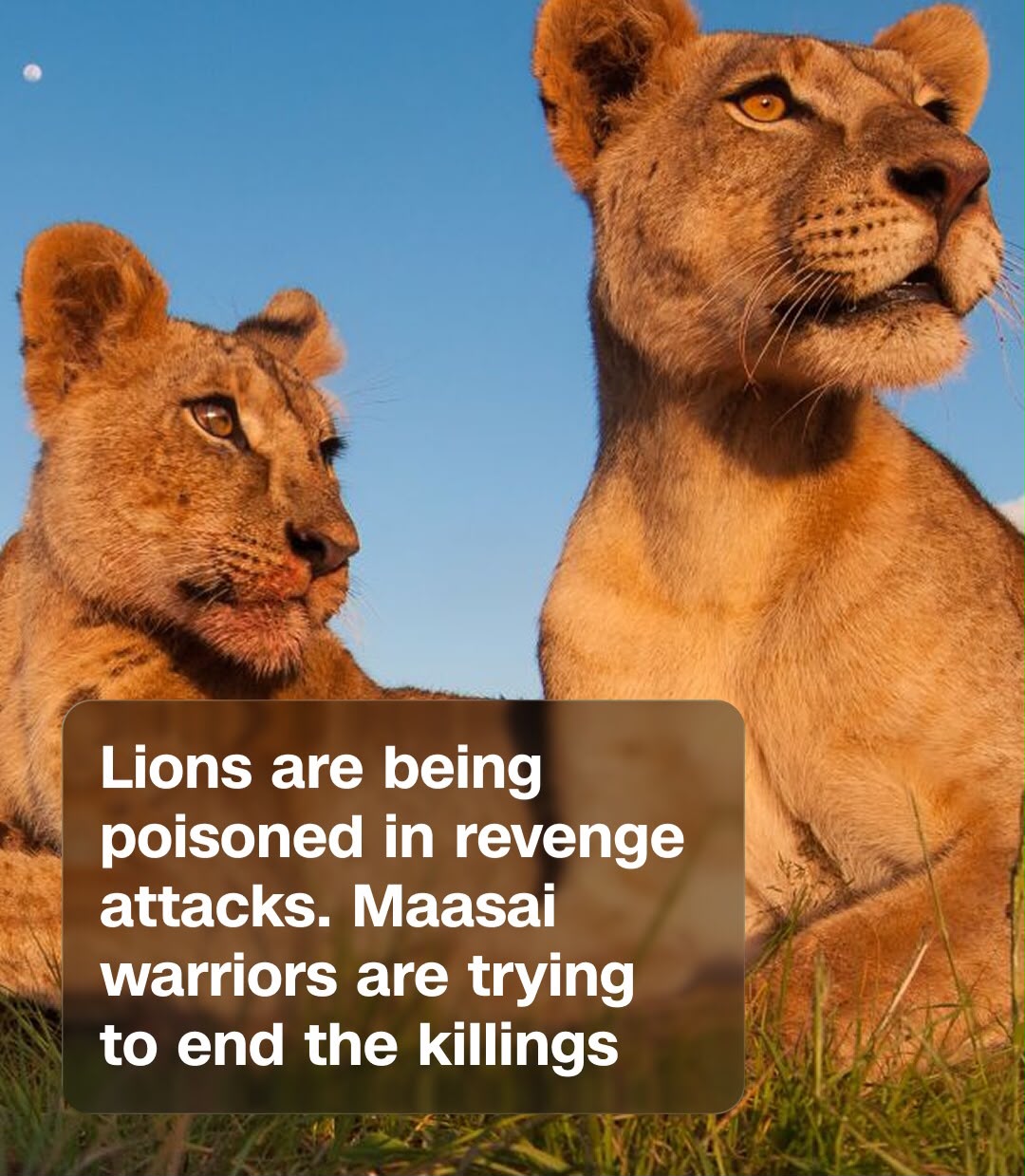
Poisoning of Lions by Herders Raises Conservation Concerns in East Africa Growing cases of lion poisoning in parts of East Africa are raising concerns among wildlife conservationists, as some herders resort to using toxic substances to kill the predators in retaliation for attacks on their livestock. The practice poses a serious threat to lion populations and other wildlife, including vultures and scavengers that feed on poisoned carcasses. Conservationists warn that the chemicals can also contaminate soil and water sources, potentially exposing nearby communities and other animals to further harm.
Eric Ole Kesoi, a renowned Maasai wildlife tracker and community manager with conservation organisation Lion Guardians, described poisoning as one of the cruelest ways to kill an animal. “Poisoning is really the most brutal form of killing an animal. It’s heart wrenching,” Kesoi , recalling the distress of watching lions suffer after ingesting toxic substances. The concern has intensified in Kenya’s Amboseli Tsavo ecosystem and Tanzania’s Ngorongoro Conservation Area, where lions sometimes prey on livestock belonging to pastoral communities. According to the report, six lions were found dead from suspected poisoning near the Kenya-Tanzania border in January, two days after another six were killed in a similar incident within the Amboseli ecosystem. In September, 10 lions were also discovered dead in Tanzania’s Ngorongoro Conservation Area. Authorities said preliminary findings suggested that poisoning might have caused the deaths, although investigations were needed to establish the definitive cause. Conservationists say the growing use of poison presents a particularly difficult challenge because affected animals may be discovered only after the toxic substances have spread through the food chain. For pastoral communities, livestock represent a major source of livelihood, income and financial security. Attacks by lions can therefore cause significant economic hardship, particularly for families that depend heavily on cattle, goats and sheep. Data from conservation organisation Kope Lion showed that 437 lion attacks resulted in the deaths of 278 livestock animals in Tanzania’s Ngorongoro Conservation Area in 2025, with estimated losses of about $40,600. Some herders have consequently resorted to retaliatory killings when they believe their livestock have been attacked by predators. Historically, some retaliatory killings involved spears. Conservationists say poisoning has become an additional concern because it can kill several animals at once and affect species that were not the intended targets. Organisations working in the region are pursuing measures designed to reduce conflict between lions and livestock owners. In Kenya’s Amboseli region, the Big Life Foundation operates a predator compensation programme that reimburses livestock owners for some losses caused by predators. Payments can be withheld when animals are killed in retaliation. Kope Lion has also experimented with community incentive schemes that reward participating communities according to the number of lions observed in their areas. The organisation reported that villages involved in the programme recorded no retaliatory lion poisonings during the pilot period. Conservationists say compensation and community participation can encourage residents to protect wildlife while reducing the financial consequences of livestock attacks. However, the effectiveness of such schemes varies across locations. Some herders consider compensation inadequate, particularly where payments do not cover the full value of lost livestock. Kesoi said the situation was especially challenging in parts of Tanzania where pastoralists felt they did not receive sufficient compensation for their losses. Conservationists have warned that poisoned carcasses can kill multiple species, even when herders intend to target only lions. In one January incident, more than 30 vultures were reportedly found dead around six lions that had been fatally poisoned. Vultures and other scavengers can ingest toxic substances when feeding on contaminated remains. Wildlife specialists have also warned that chemicals may persist in the environment and potentially reach water sources, increasing the risks to animals and nearby communities. Despite these challenges, conservation efforts in parts of Kenya have helped lion populations recover. Lion Guardians recorded an estimated 275 lions across approximately 3,700 square kilometres of the greater Amboseli-Tsavo ecosystem in a census conducted in October 2025. Conservationists say protecting those gains will require sustained cooperation between wildlife organisations, government authorities and pastoral communities. They argue that improving livestock protection, providing fair compensation and strengthening community-led conservation initiatives are essential to reducing retaliatory killings and ensuring that people and lions can coexist.