Ebola FG Assures Nigerians Amid Surveillance Gaps, Questions Over N10bn Preparedness Fund
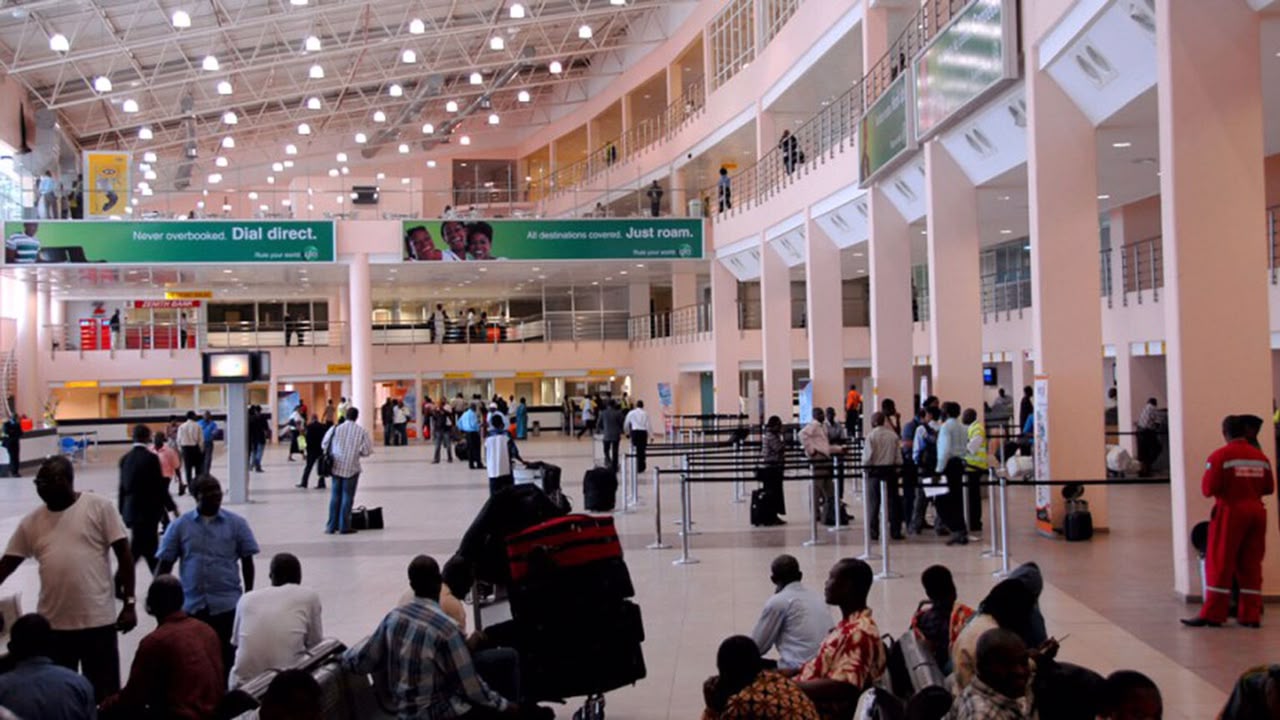
Ebola FG Assures Nigerians Amid Surveillance Gaps, Questions Over N10bn Preparedness Fund The Federal Government has assured Nigerians that measures are in place to contain the country’s latest Ebola case, even as concerns mount over airport surveillance, contact tracing and the management of the N10 billion approved for emergency preparedness. The concerns followed the confirmation of Nigeria’s first Ebola case in more than a decade, involving a woman who travelled to Abuja after visiting Uganda. Health authorities have activated emergency response mechanisms and begun tracing people who may have been exposed to the infection. The Minister of Health and Social Welfare, Professor Muhammad Ali Pate, said the government was working with relevant national and international health agencies to prevent further transmission. Pate disclosed that the Nigeria Centre for Disease Control and Prevention (NCDC) had activated its incident management system, with officials conducting contact tracing, monitoring potential exposure and implementing containment measures. The government has identified 44 contacts linked to the patient, including healthcare workers and people who had contact with her during her illness. Pate urged Nigerians to remain vigilant without panicking, expressing confidence in the country’s public health institutions and their experience in managing infectious disease emergencies. The Chief of Staff to the President, Femi Gbajabiamila, also said the patient was responding well to treatment. Despite the government’s assurances, public health experts have questioned how the infected woman entered Nigeria and initially received treatment without Ebola being suspected. According to reports, the patient developed symptoms shortly after arriving in the country and sought treatment at a private hospital in Abuja, where her condition was initially treated as a malaria-like illness. She was subsequently tested for Ebola, with the result confirmed on October 20. The delay between the onset of symptoms and confirmation has raised concerns about whether existing airport screening and healthcare alert systems are sufficiently effective. Former Nigerian Medical Association chairman, Dr Babajide Saheed, questioned the country’s level of preparedness, arguing that the incident exposed possible weaknesses in surveillance and the early identification of suspected cases. Virologist Oyewale Tomori also called for comprehensive contact tracing, warning that the number of people potentially exposed could increase as investigators reconstruct the patient’s movements. Tomori urged authorities to trace passengers who travelled on the same flight as the patient, alongside people she encountered after arriving in Nigeria. He also called for investigations into her travel route and possible contacts at other airports and healthcare facilities. Other experts have advocated wider access to diagnostic kits, improved infection-control procedures and better training for healthcare workers to ensure that suspected cases are identified and isolated promptly. The Federal Airports Authority of Nigeria (FAAN) said it had strengthened vigilance across the country’s airports following confirmation of the imported case. The agency said it was working with the NCDC, Port Health Services, the Nigerian Civil Aviation Authority and other relevant bodies to support containment efforts.
FAAN also urged airlines, passengers and airport users to cooperate with health officials and rely on verified information about the disease. However, the concerns raised by experts and lawmakers have prompted renewed calls for transparent information about screening procedures, passenger monitoring and the readiness of isolation facilities at major points of entry. The Senate and House of Representatives have called for tighter screening at international airports, seaports and designated land borders, alongside stronger surveillance and emergency funding for health agencies. The management of the N10 billion approved for Ebola preparedness has emerged as a major point of controversy. President Bola Tinubu announced the approval of the emergency intervention fund in June 2026, when he established a Presidential Task Force on Ebola Virus Disease Preparedness and Emerging Public Health Threats. According to the Presidency, the funding was intended to strengthen the operational capacity of the NCDC and support national emergency response activities.Planned interventions included enhanced passenger screening at international airports, improved monitoring of travellers arriving from high-risk countries, the activation of isolation and referral centres, and the introduction of QR-code-based pre-arrival health declarations for passengers from designated high-risk locations. However, the emergence of an imported case has prompted questions about how much of the approved money has actually been released, how it has been spent and whether the planned interventions were fully implemented. Former Vice President Atiku Abubakar has demanded a public audit of the fund, asking the Federal Government to disclose the amounts disbursed, payment dates, contracts awarded, recipients and equipment or services delivered. Atiku argued that Nigerians needed evidence that the funds had translated into effective surveillance, adequate protective equipment for healthcare workers and stronger emergency response capacity. The demand has intensified calls for greater transparency, although questions over the fund’s implementation do not, in themselves, establish that the money has been misappropriated. Lawmakers have also urged the government to release outstanding funds appropriated to relevant health agencies and provide emergency resources to strengthen preparedness. The World Health Organisation has urged Nigerians to remain calm, stressing that one imported case does not automatically mean the country is experiencing an Ebola outbreak. The organisation said it was working with Nigerian authorities and other partners to investigate the case, trace contacts, conduct laboratory testing and strengthen infection-prevention measures. The WHO also emphasised the importance of protecting healthcare workers and communities while ensuring that suspected cases are identified and managed promptly. Nigeria successfully contained the 2014 Ebola outbreak through contact tracing, isolation, public health coordination and community engagement. Authorities have cited that experience as evidence of the country’s ability to respond effectively to the latest case. Nevertheless, experts say the current incident presents an opportunity to examine weaknesses in airport surveillance, early diagnosis, hospital preparedness and the coordination of emergency funding. They have urged the government to publish verifiable updates on contact tracing, screening operations and expenditure from the N10 billion fund. As containment efforts continue, the effectiveness of Nigeria’s response will depend not only on official assurances but also on early detection, transparent communication, adequately equipped health facilities and accountability for resources allocated to protect public health.