Weak Oversight, Poor Fiscal Planning Leave Over 60,000 Public Projects Abandoned In Nig
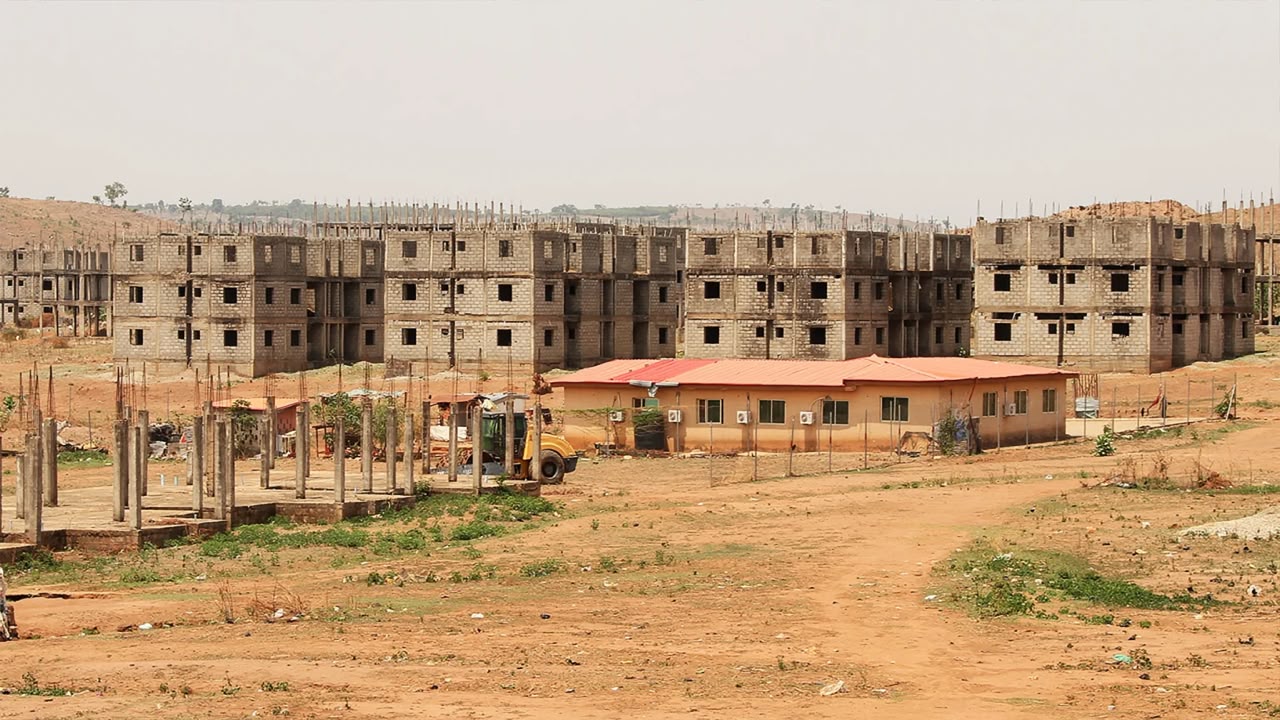
Weak Oversight, Poor Fiscal Planning Leave Over 60,000 Public Projects Abandoned in Nig Nigeria is grappling with a growing crisis of abandoned public infrastructure, with more than 60,000 projects reportedly left incomplete or unexecuted across the country, tying down trillions of naira in public funds and raising concerns about accountability, budget implementation and government oversight. The scale of the problem was highlighted in which attributed the persistent project failures to weak supervision, inadequate funding, delayed payments to contractors, poor planning and overlapping budget cycles. Although the National Assembly has cited figures indicating that more than 60,000 projects have been abandoned nationwide, experts warn that Nigeria lacks a comprehensive, continuously updated database to establish the exact number, cost and status of such projects. The House of Representatives has called for a comprehensive review of abandoned Federal Government projects, including their contract values, amounts already spent and stages of completion. Findings from BudgIT’s project-monitoring platform, Tracka, also illustrate the extent of the challenge. Between September 2023 and September 2024, Tracka monitored 1,404 government projects worth N282.5 billion across 25 states. Of these, 720 projects, representing 51 per cent, were completed, while 332 remained ongoing. Another 129 projects were either abandoned or fraudulently executed, while 223 projects valued at N79.81 billion were not executed. Tracka estimated the value of abandoned projects at approximately N19.81 billion, with abandoned and unexecuted projects together accounting for more than N99.6 billion in public funds. A separate assessment of 2,760 Federal Government capital projects under the 2024 budget, valued at more than N1.9 trillion, found that 471 projects worth N62.29 billion had not been executed, while 99 projects valued at N29.97 billion had been abandoned. The crisis cuts across critical sectors, particularly roads, bridges and housing, where stalled construction has prevented communities from benefiting fully from public investment. In November 2025, the Independent Corrupt Practices and Other Related Offences Commission, working with the Federal Ministry of Works, began a nationwide physical verification and performance audit of 760 federal road projects valued at more than N36 trillion. The exercise was designed to identify abandoned projects and strengthen accountability among contractors. The Federal Government also inherited 2,064 road contracts when President Bola Tinubu assumed office in May 2023, with the initial cost of ongoing projects put at N14.42 trillion. The housing sector faces similar difficulties. About 250,000 housing units have reportedly been identified as abandoned projects for assessment, while the Federal Mortgage Bank of Nigeria has identified 46 major abandoned housing projects across the country. Housing officials said the stalled developments were linked to factors including delays in approvals, changes in contractors and rising construction costs. The Minister of Housing and Urban Development, Muttagha Darma, said the ministry was reviewing abandoned projects to establish their completion status and determine the interventions needed to return them to public use. Construction industry operators have attributed many stalled projects to the gap between approved budgetary allocations and actual cash releases. President of the Federation of Construction Industry, Vincent Barrah, said inadequate and unpredictable funding had weakened project delivery, forcing contractors to suspend work while waiting for payments. He explained that delayed certification and payment, alongside rising prices of cement, steel, bitumen, diesel, equipment and spare parts, had increased the cost of executing contracts awarded several years ago. According to Barrah, some contractors have been forced to finance substantial portions of government projects themselves while waiting for outstanding payments, increasing borrowing costs and putting pressure on their working capital. The federation also warned that the funding crisis had affected employment, with approximately 1,000 senior staff and 40,000 junior workers reportedly losing their jobs. The Federal Ministry of Finance, however, said it had approved payments to more than 1,240 local contractors, prioritising businesses with verified claims of N100 million or less. The ministry also reported that more than N700 billion in verified contractor claims had been processed in recent months as part of efforts to clear inherited obligations. Officials said the payments were intended to enable contractors to resume work, settle suppliers and pay workers. The Bureau of Public Procurement has also faced scrutiny over its oversight of public projects and the enforcement of sanctions against contractors who abandon projects or deliver substandard work. The agency’s Director-General, Dr Adebowale Adedokun, said a new debarment policy had been approved and gazetted to enable authorities to sanction erring contractors. However, formal enforcement had only recently commenced, and no domestic firms had yet been officially debarred under the framework, according to the report. The lack of reliable data remains another major obstacle to addressing the problem.President of the Project Management Institute, Nigeria Chapter, Dr Gbolahan Oyelakin, said government agencies responsible for infrastructure lacked comprehensive records of abandoned projects, making it difficult to design effective solutions. He attributed project failure to inadequate feasibility studies, weak supervision, poor financial management, limited institutional capacity and political interference. Oyelakin stressed that projects often encountered difficulties from the outset because they were initiated without proper planning and risk assessments. The immediate past president of the Nigerian Institute of Quantity Surveyors, Kene Nzekwe, also linked project abandonment to incomplete budget implementation and delays in payments to contractors. The institute’s president, Aminu Bashir, cited inflation as another major factor, explaining that rising construction costs could make projects financially unviable under their original contract terms. Experts have called on the Federal Government to improve project selection, ensure funding before awarding contracts and strengthen monitoring mechanisms to prevent further waste of public resources. They also advised authorities to assess existing abandoned projects individually to determine whether they should be completed, redesigned, converted for alternative uses or disposed of. Former Lagos State chairman of the Nigerian Institution of Estate Surveyors and Valuers, Dotun Bamigbola, warned that prolonged abandonment could reduce property values in surrounding communities, encourage insecurity and expose residents to environmental and structural hazards. The growing backlog has intensified concerns about the value Nigerians receive from public spending at a time when the country faces significant fiscal pressures. With incomplete infrastructure depriving communities of roads, housing and other essential facilities, stakeholders say improving budget execution, contractor accountability and transparency will be critical to ensuring that public investments translate into tangible development.