No Vaccine, Specific Treatment For Ebola Strain Detected In Nigeria WHO
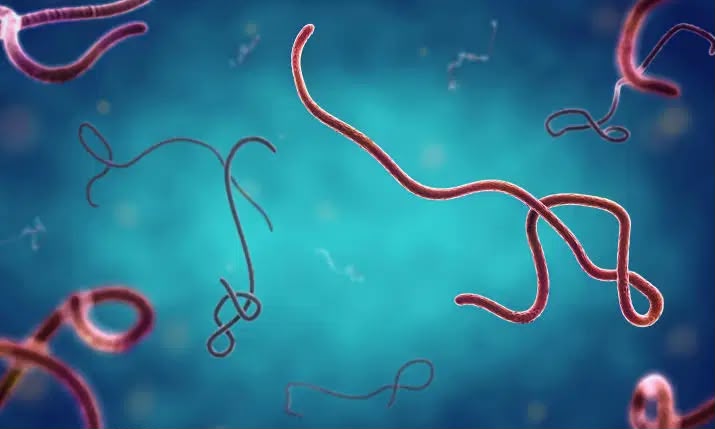
No Vaccine, Specific Treatment for Ebola Strain Detected in Nigeria WHO The World Health Organisation WHO has warned that there is currently no licensed vaccine or specifically approved treatment for the Bundibugyo strain of Ebola virus detected in Nigeria, raising concerns over the country’s response to the disease. The warning follows the confirmation of Nigeria’s first case of the strain in a woman who travelled from Uganda to Abuja on October 3, according to health authorities. The case was confirmed through laboratory testing by the Nigeria Centre for Disease Control and Prevention (NCDC).Health officials disclosed that the patient was a diplomat and had been receiving medical care in isolation in Abuja. An official also reported that her condition had deteriorated into multiple-organ failure.The Bundibugyo strain is a distinct species of Ebola virus for which no licensed vaccine or specifically approved therapeutic is currently available. This distinguishes it from the Zaire strain, against which vaccines and treatments have been developed. The absence of approved, strain-specific medical interventions presents a significant challenge for health authorities seeking to contain the outbreak and reduce the risk of further transmission. According to reports, Nigeria had identified 44 contacts linked to the confirmed case, with monitoring efforts underway to establish whether additional people had been exposed to the virus. The WHO said infection prevention and control measures were being intensified at the private hospital where the patient sought medical attention. The development comes amid a wider Ebola outbreak affecting parts of Africa, including the Democratic Republic of the Congo, Uganda and Kenya. The spread of the disease across several countries has heightened concerns among public health authorities about cross-border transmission. The Africa Centres for Disease Control and Prevention has also warned about the scale of the outbreak, calling for urgent international cooperation to strengthen surveillance, response measures and containment efforts. Ebola virus disease is a severe illness that can spread through direct contact with the blood and other bodily fluids of infected people, as well as contaminated materials. Symptoms may include fever, severe weakness, headache, muscle pain, vomiting and diarrhoea. In severe cases, the disease can cause serious organ complications. Although there is no specifically approved treatment for the Bundibugyo strain, supportive medical care remains essential. This can include fluid replacement, correction of electrolyte imbalances, oxygen support and treatment of complications. Health authorities have continued to emphasise the importance of early detection, prompt isolation of suspected cases, contact tracing and strict infection prevention measures to limit transmission. Nigeria last experienced an Ebola outbreak in 2014, when the virus was introduced by an infected traveller and subsequently contained through coordinated public health interventions. The latest case has renewed calls for vigilance among health workers, travellers and members of the public as authorities work to prevent further spread of the disease.