UK Inflation Rises To 3.5% As Petrol And Diesel Prices Surge Ahead Of Budget
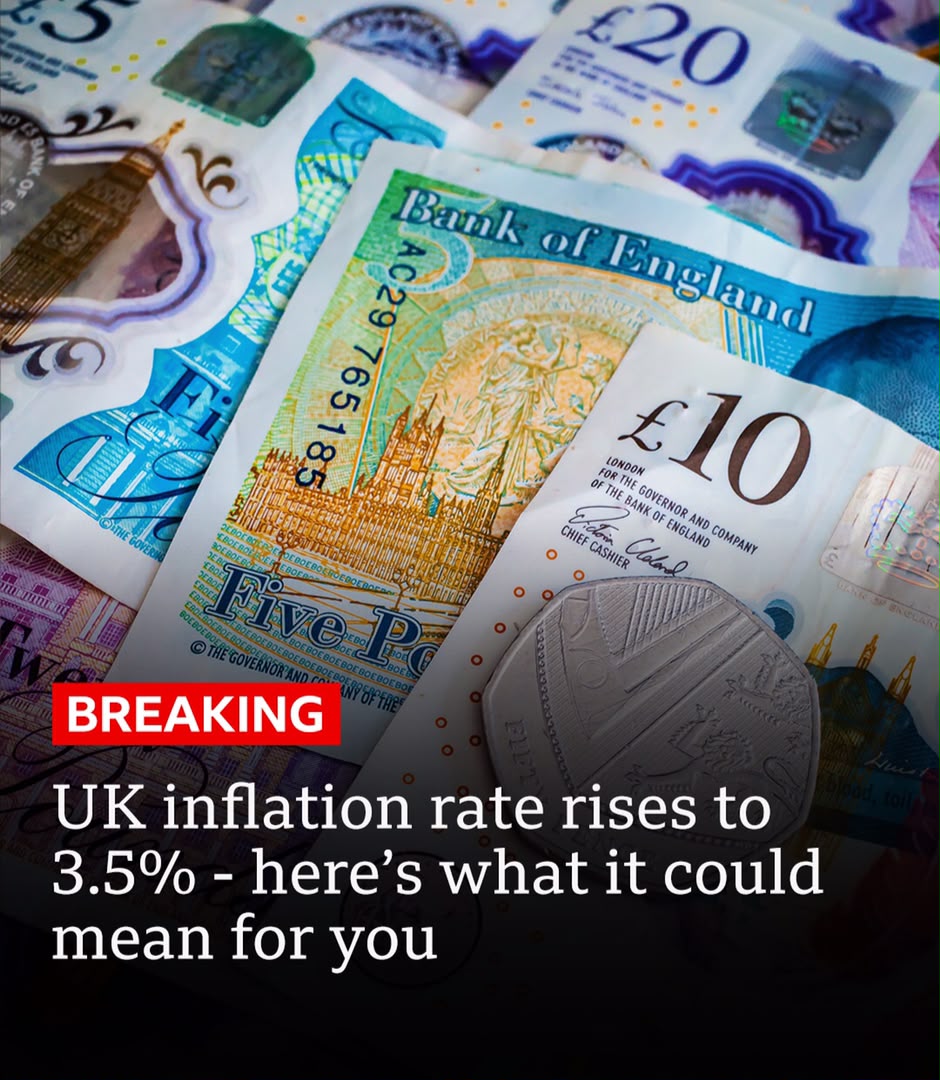
UK Inflation Rises to 3.5% as Petrol and Diesel Prices Surge Ahead of Budget Inflation in the United Kingdom rose to 3.5 per cent in September, up from 3.1 per cent in August, as soaring petrol and diesel prices increased pressure on households ahead of the government’s upcoming Budget. Figures released by the Office for National Statistics (ONS) on Wednesday showed that inflation climbed to its highest level since October 2025, exceeding economists’ expectations of 3.4 per cent. The increase presents a fresh challenge for Chancellor John Healey as he prepares to deliver his first Budget on October 28, amid growing calls for measures to ease the cost-of-living burden on households and businesses. Transport costs were the largest contributor to the increase in inflation, with petrol and diesel prices rising sharply during September. According to the ONS, the average price of petrol increased by 8.2 pence per litre to 169.5 pence, while diesel rose by 10.7 pence to 192.5 pence per litre. Overall motor fuel prices increased by 29.8 per cent in the year to September, compared with a 23 per cent rise in August. The surge has been linked to disruptions in global energy supplies amid conflicts in the Middle East and Europe, which have driven up oil and fuel costs. Higher fuel prices also increase transportation and distribution expenses for businesses, potentially pushing up the prices of goods and services.
The latest figures could deepen financial pressure on families already struggling with everyday expenses. Motorists are paying more to fill their vehicles, while businesses facing higher transport and production costs may pass some of the additional expenses on to consumers. Airfares also contributed to the inflation increase, while prices for hotel stays rose less sharply than they did during the same period last year, providing some offsetting pressure. The figures suggest that rising energy costs could continue to affect household budgets as the UK approaches winter, when demand for heating and electricity typically increases. The rise in inflation could complicate the Bank of England’s efforts to bring price increases back towards its two per cent target. Economists have warned that persistent fuel-price increases could spread to other parts of the economy, particularly if businesses raise prices to cover higher operating costs. Financial markets have consequently increased expectations that the Bank of England could raise interest rates at its November meeting. Higher interest rates can help reduce inflation by restraining borrowing and spending. However, they can also increase mortgage costs for households with variable-rate loans and make borrowing more expensive for businesses. A decision to raise rates would depend on the bank’s assessment of inflation, wages, economic activity and the likelihood that higher energy costs will persist. The inflation figures arrive as Healey prepares his Budget, with households seeking relief from rising living expenses and the government facing constraints on public spending. Possible measures discussed by analysts include changes to fuel duty and targeted assistance with energy bills. However, the eventual measures will depend on the government’s fiscal position and policy decisions. September’s inflation rate is also used to determine annual adjustments to several benefits and other inflation-linked payments, meaning the latest figure could influence household finances from April 2027. The latest increase highlights the difficulty of controlling inflation when international energy prices are rising. While higher interest rates may help contain broader price pressures, they cannot directly increase global oil supplies or eliminate the underlying causes of fuel-price increases. The government’s Budget and the Bank of England’s next interest-rate decision will therefore be closely watched by households, businesses and financial markets.